







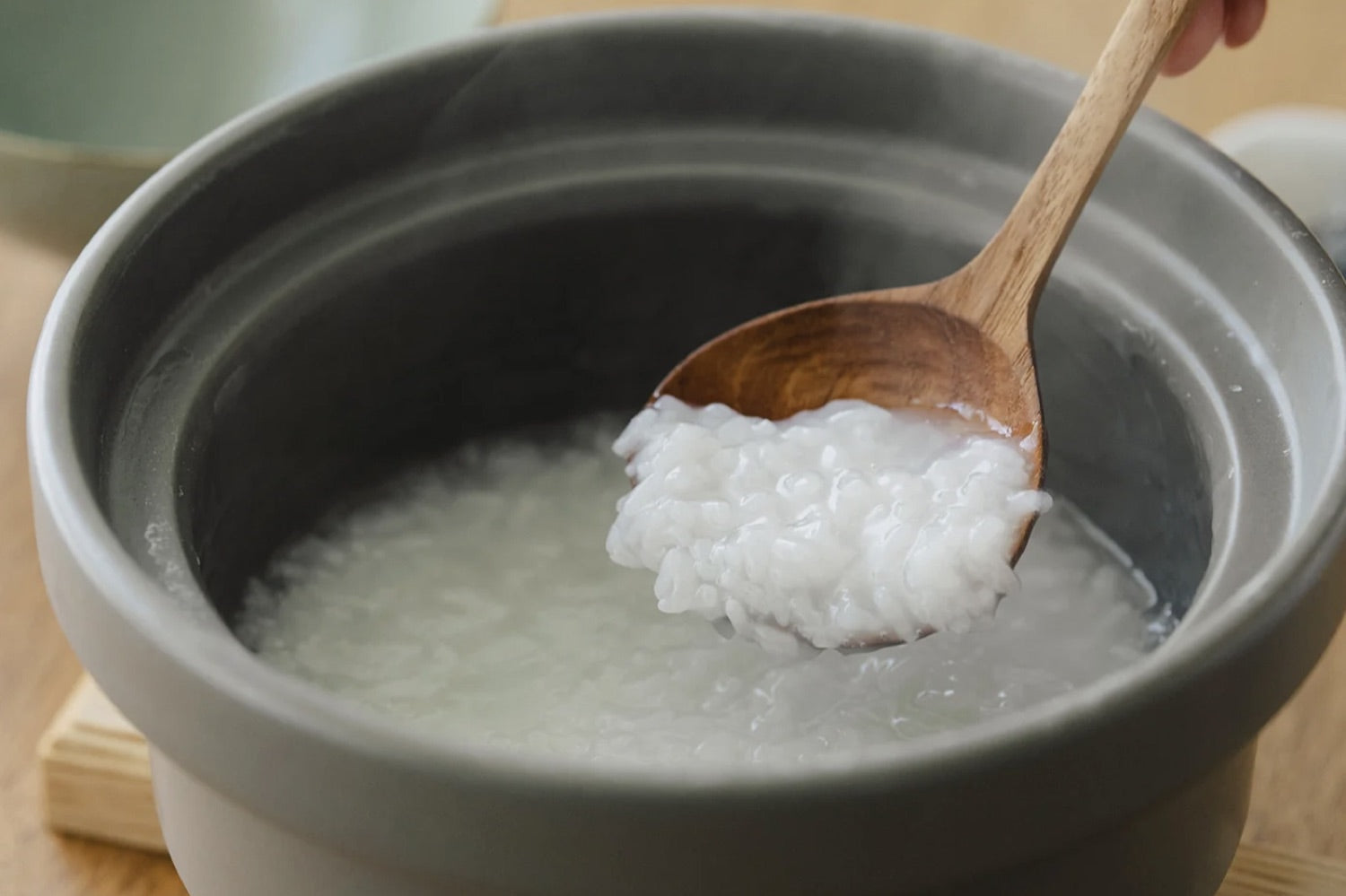
The KAMADOSAN introduced many of us to the taste of rice cooked in Japanese clay, that swollen and shiny grain that no electric rice cooker truly replicates. The brand is no longer restocked with us, and one question keeps coming up: what to replace it with? Here is our answer, the PETARI rice cooker.
À découvrir
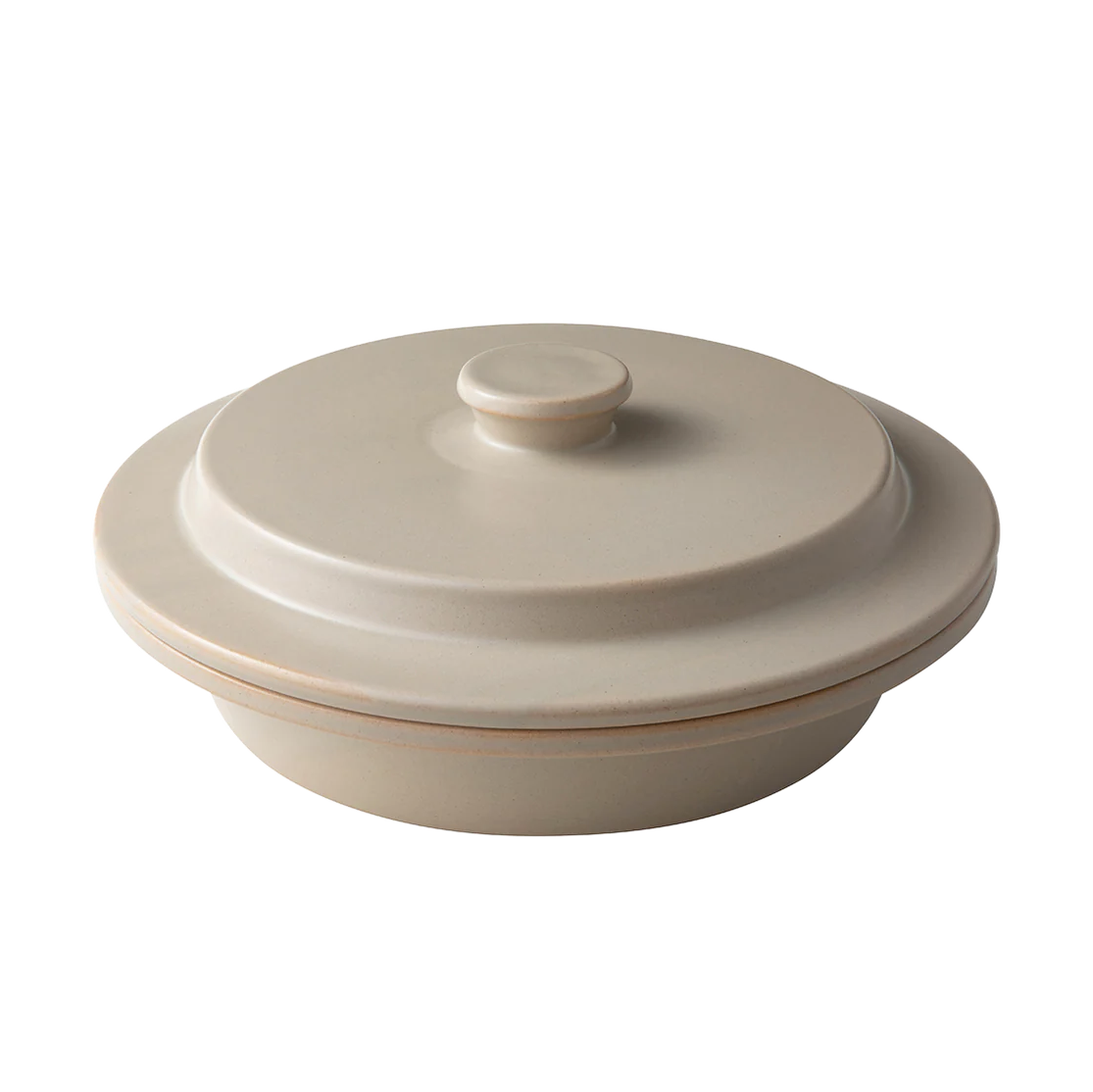
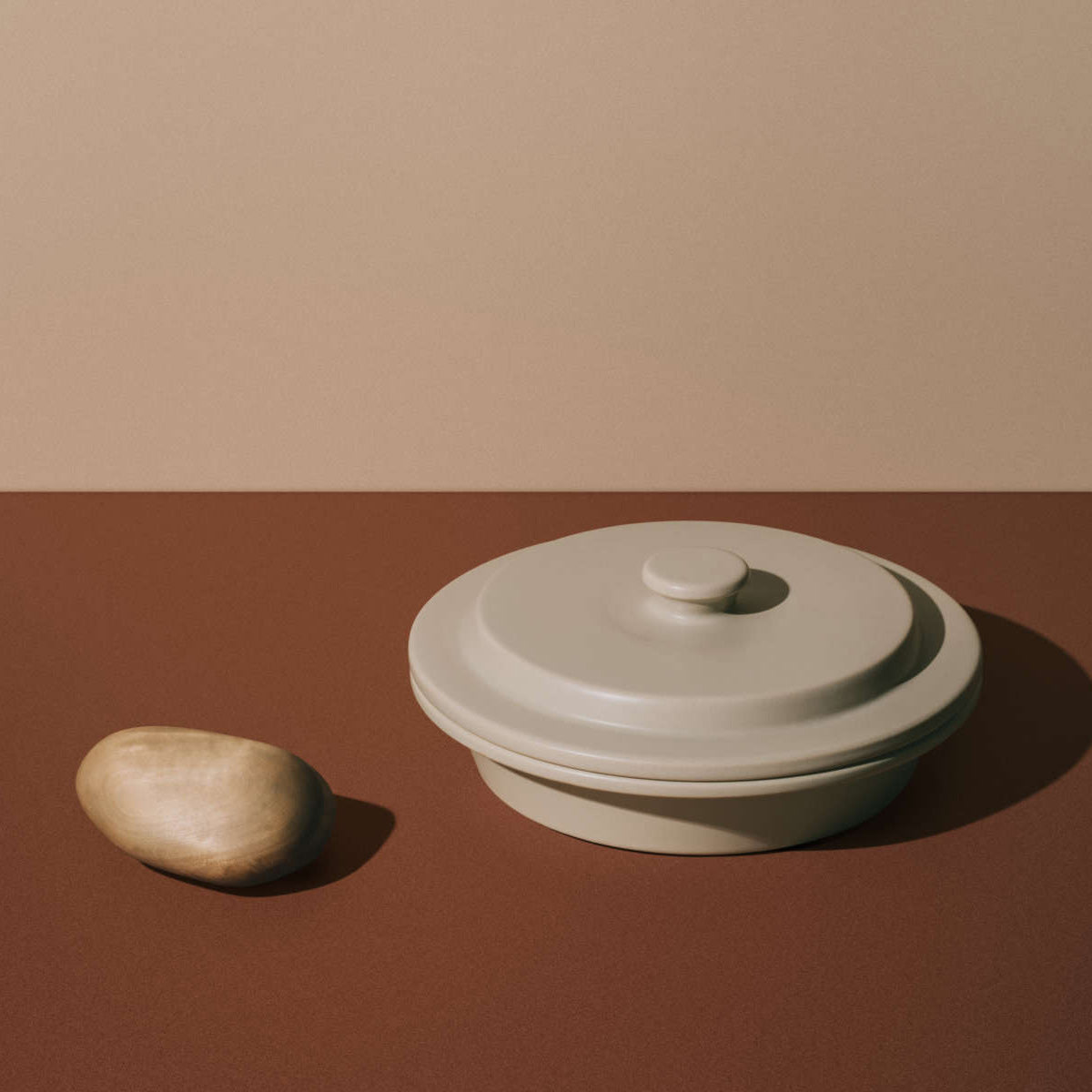
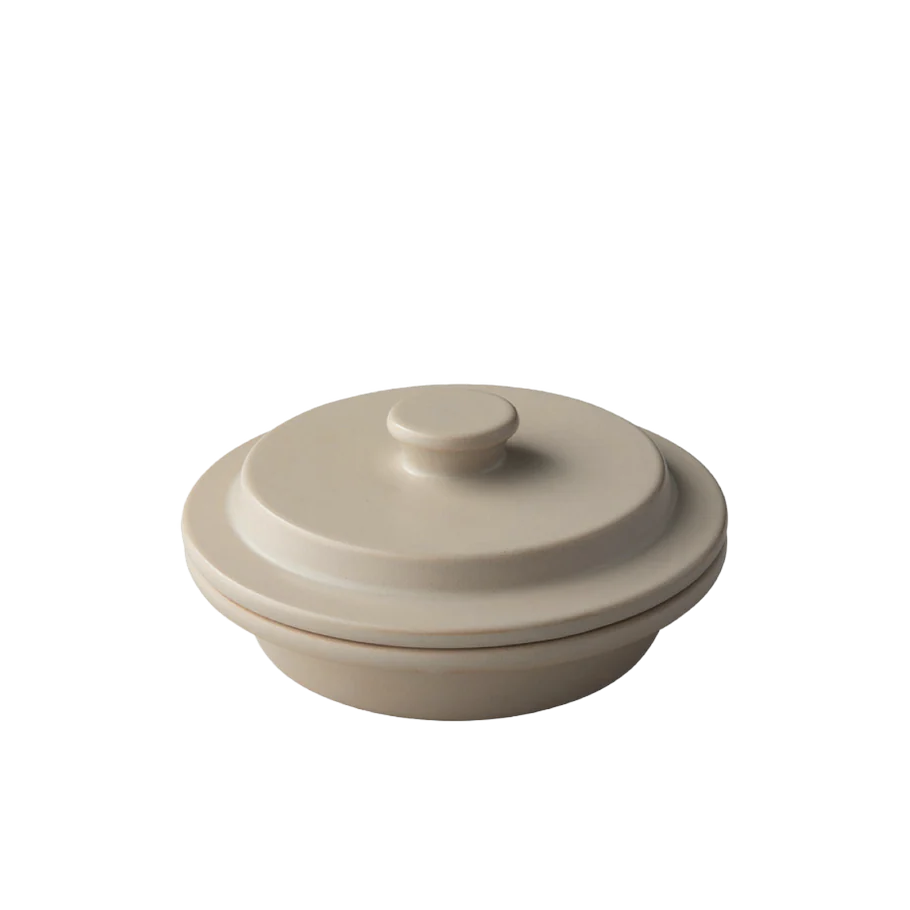
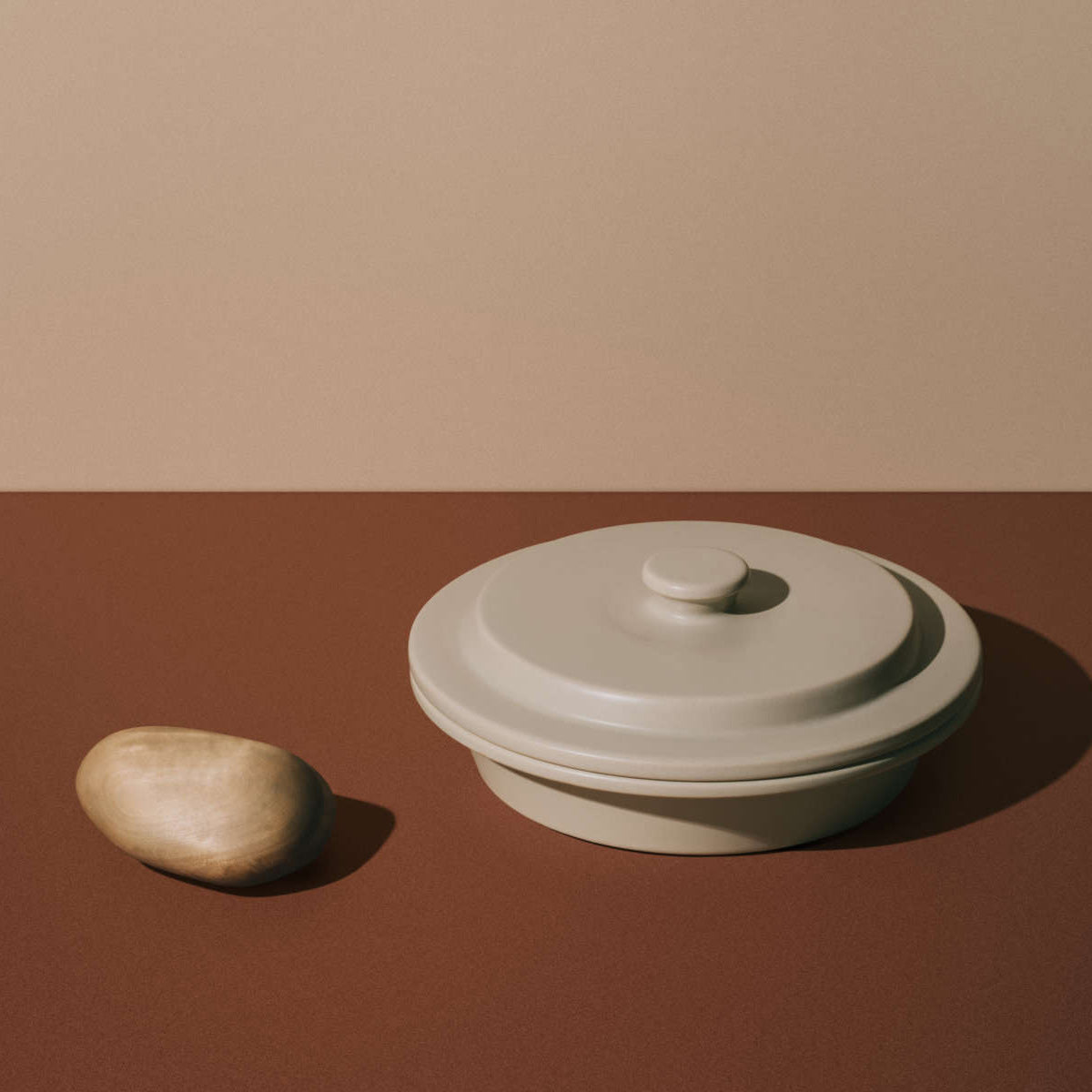
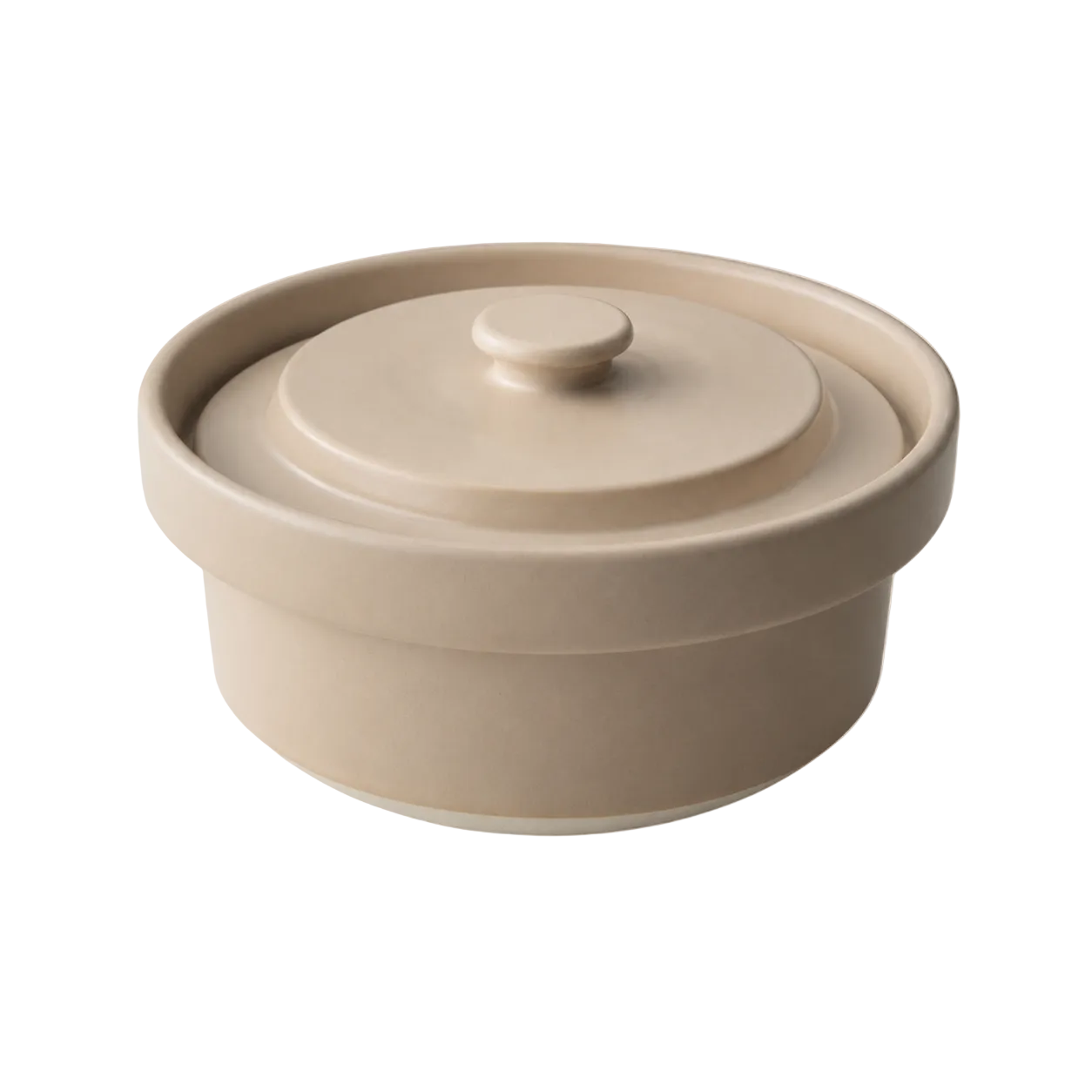
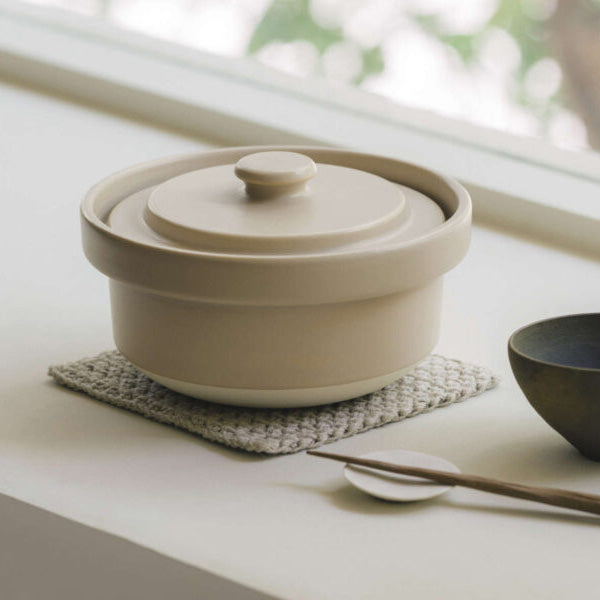
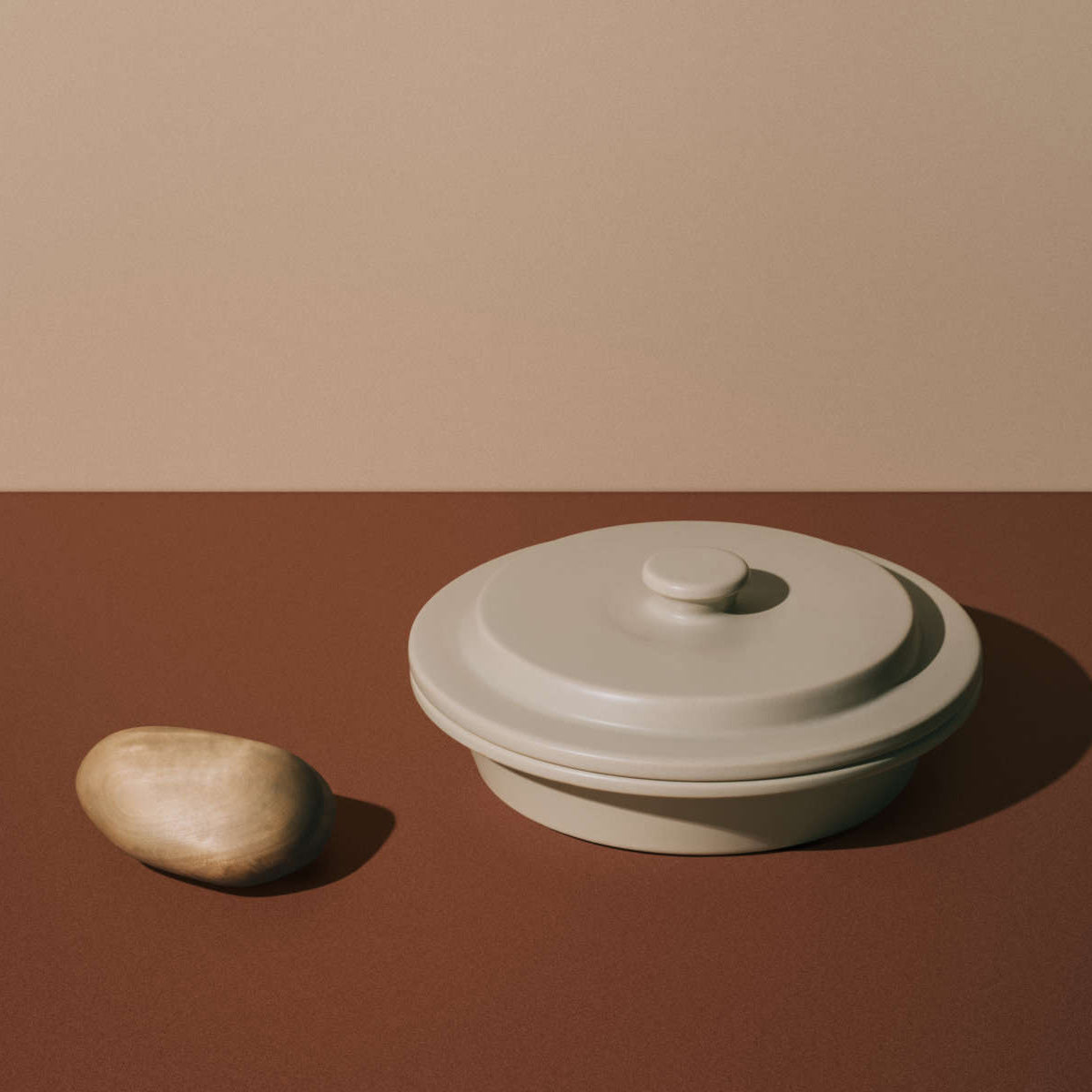
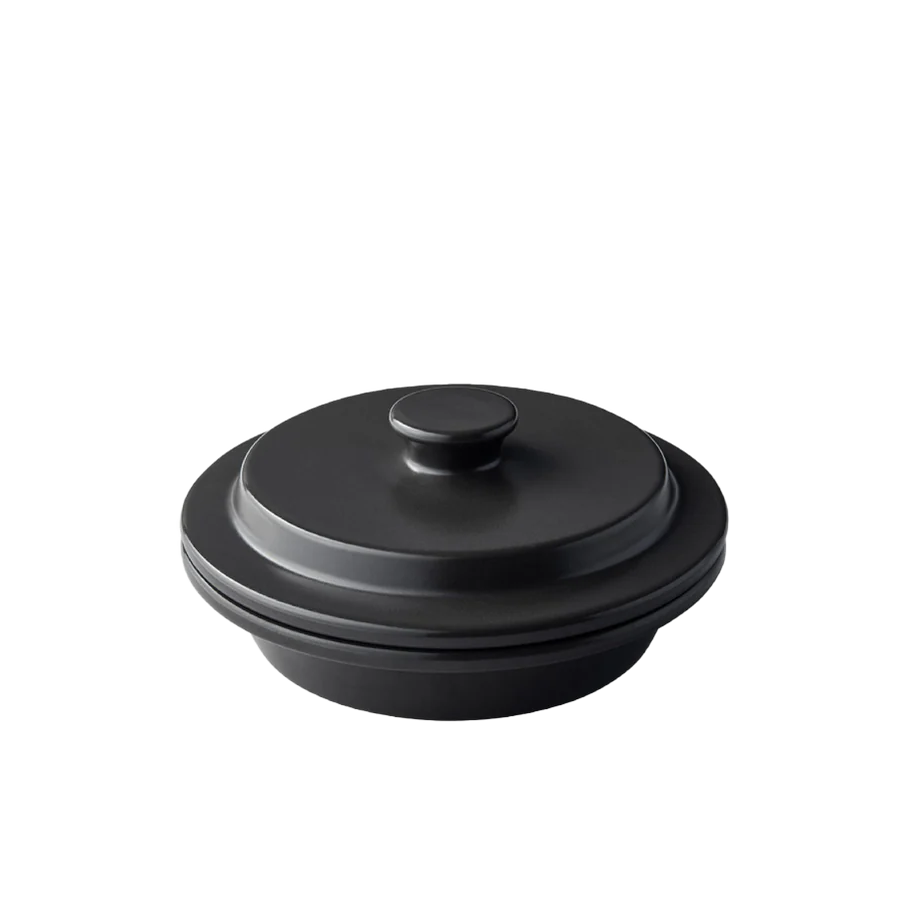
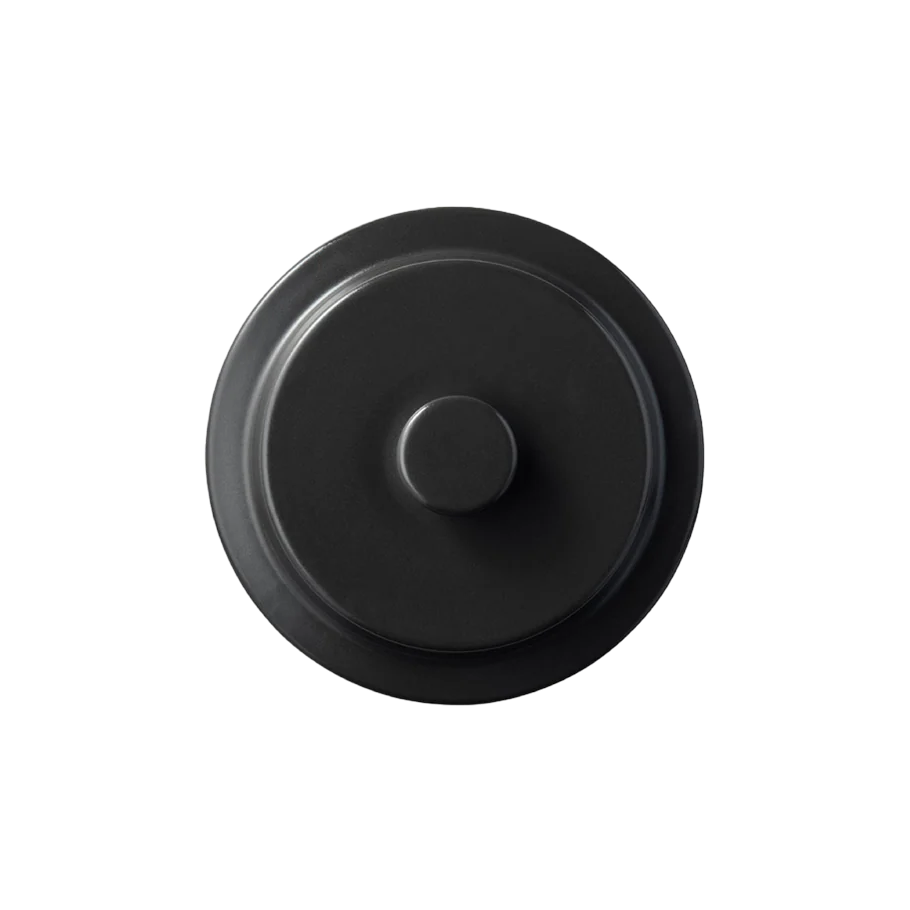
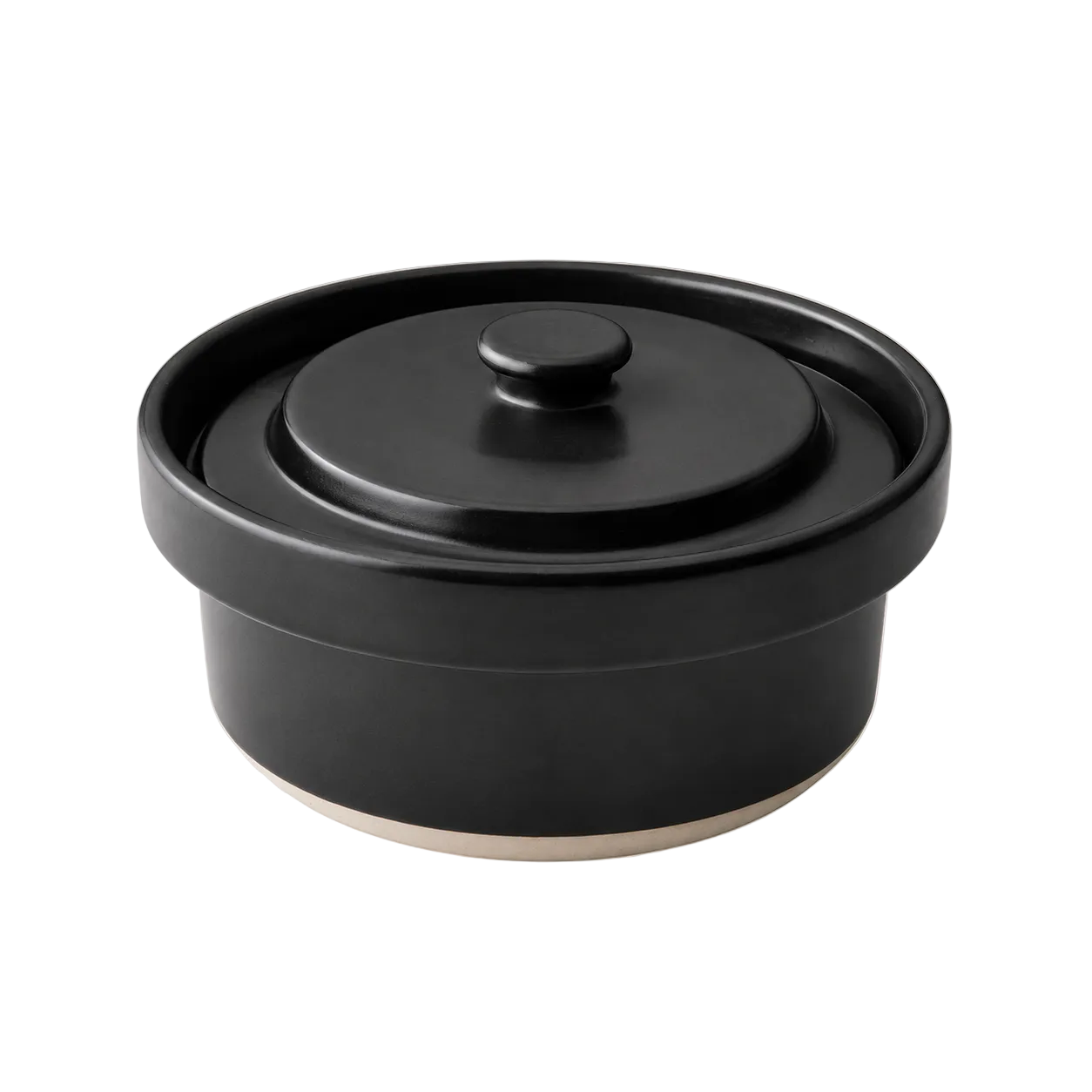
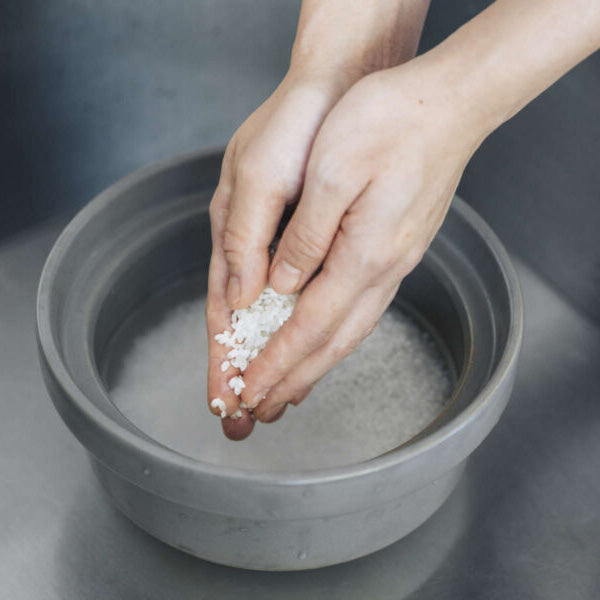
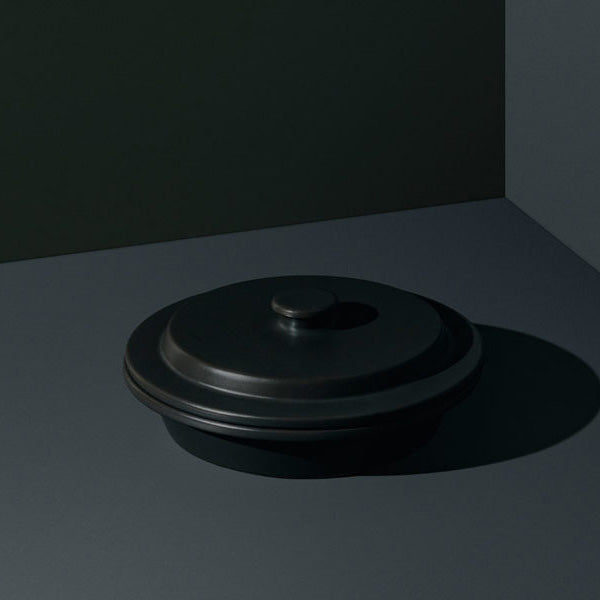

The KAMADOSAN, a legend of Japanese rice
Crafted by the Nagatani-en house in the land of Iga, the KAMADOSAN earned its reputation in the kitchens of professionals and passionate amateurs alike. Its clay mass accumulates heat, its internal lid regulates steam, and the rice comes out with that flavor we thought was forgotten. If you own one, keep it carefully. At Maison Godillot, only a few final pieces remain, like the large cooker for 8 to 10 people, and the brand will not be restocked.
PETARI, the successor in banko ceramic
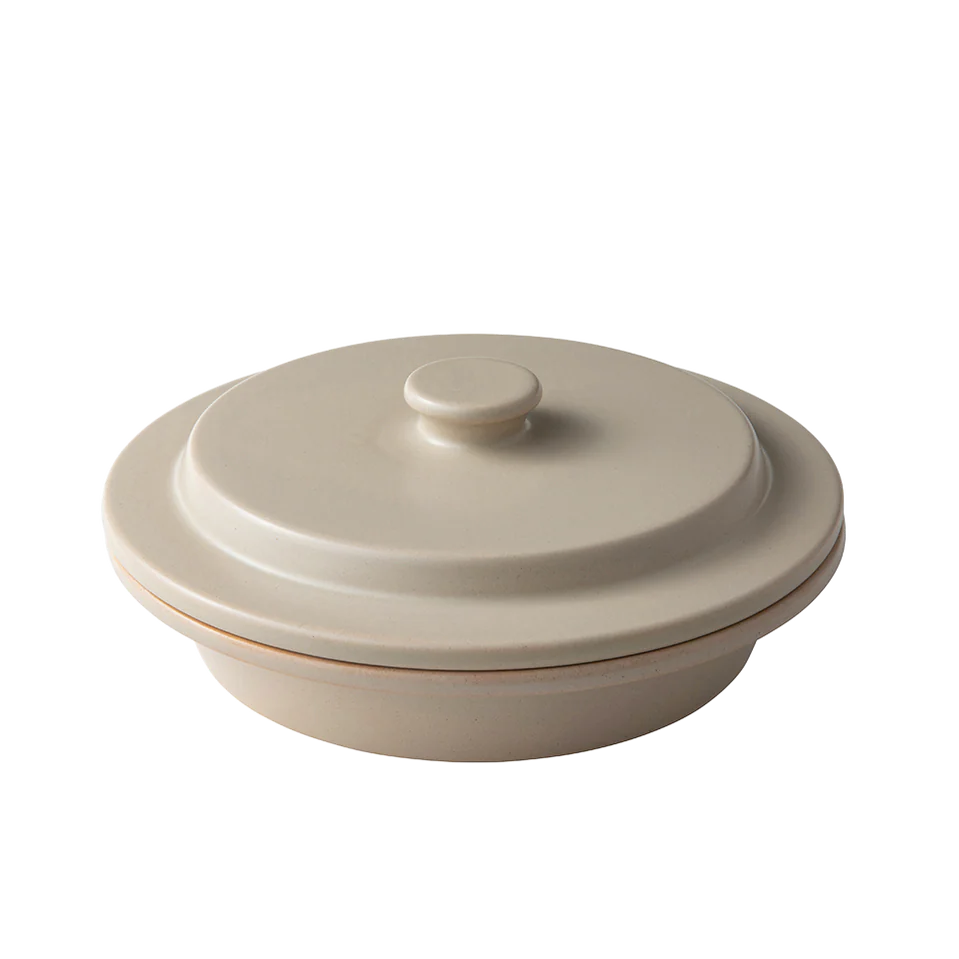
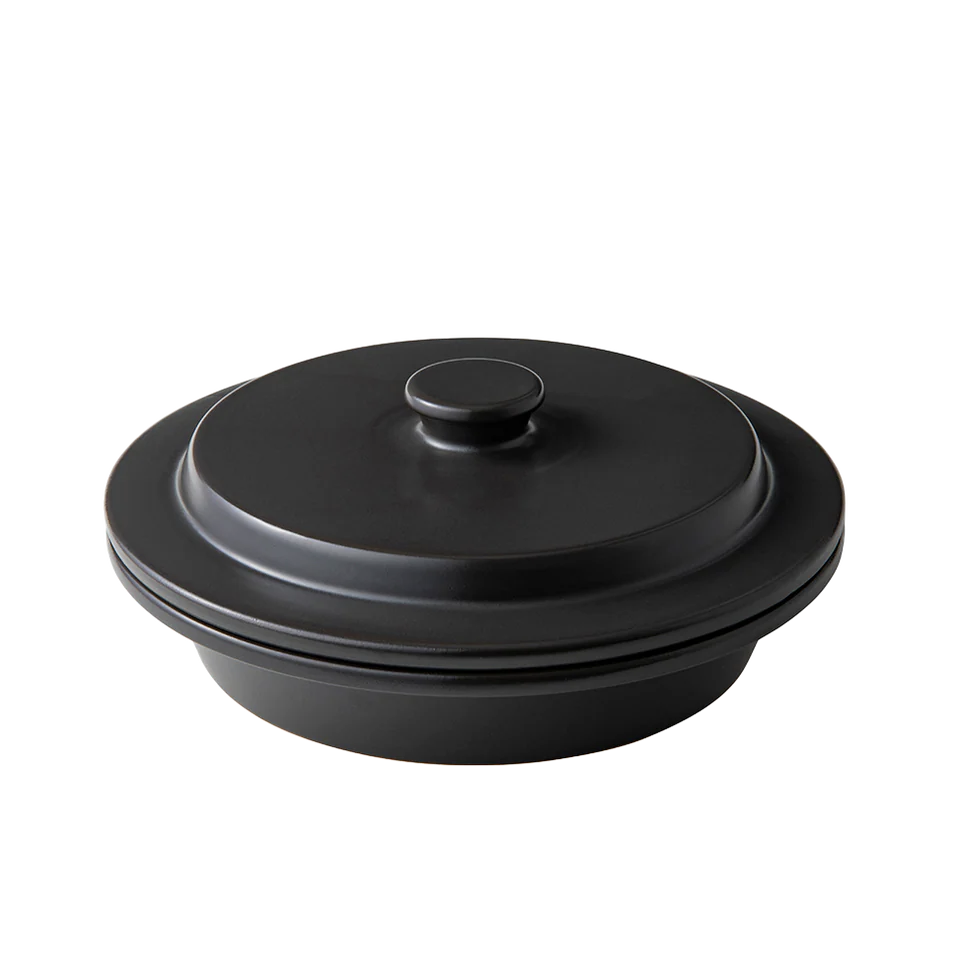
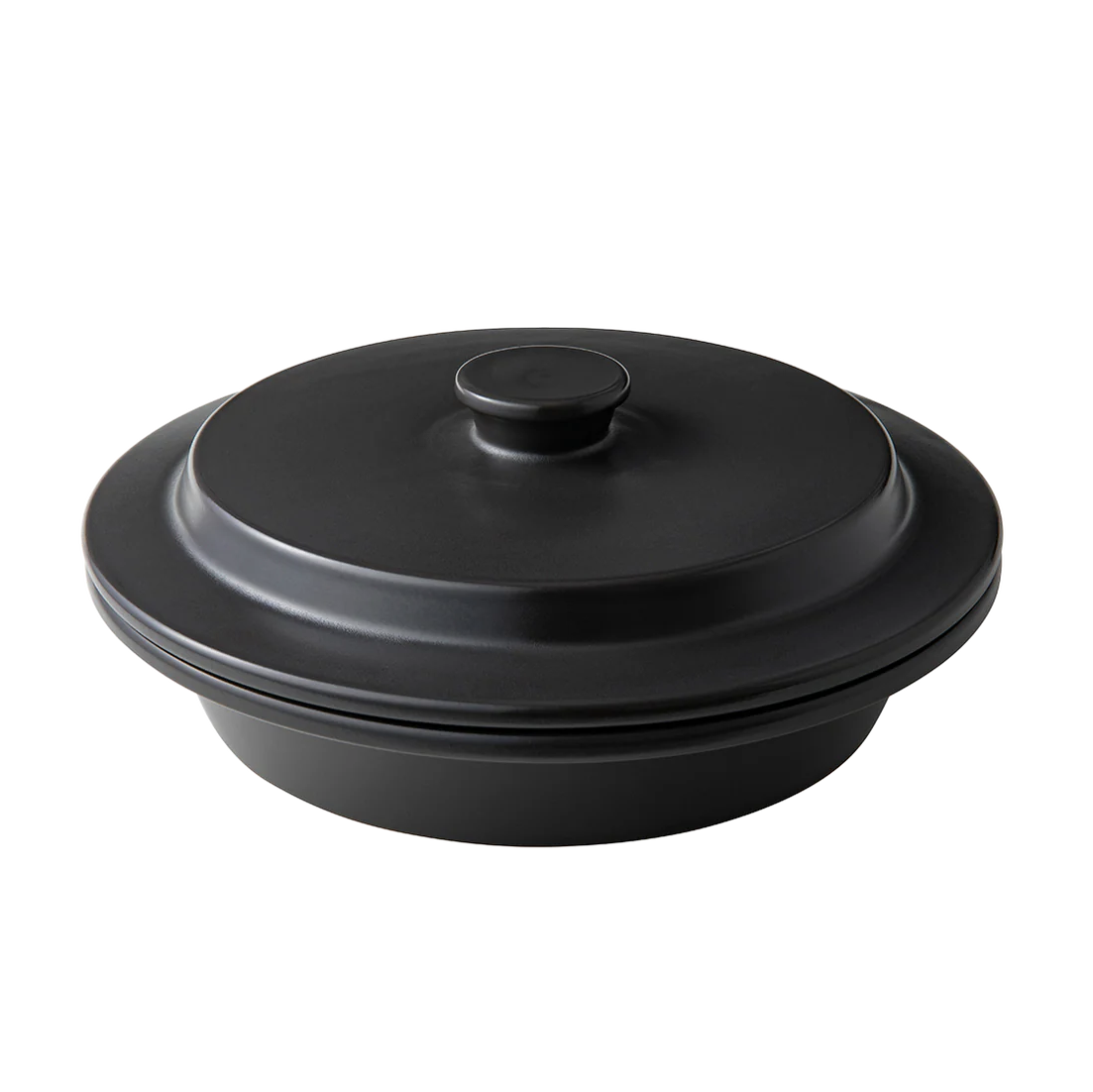
To continue cooking rice over flame, we chose PETARI, a young Japanese brand crafted in Yokkaichi, in Mie Prefecture, the birthplace of banko ceramics. Fired at around 1200 degrees, this clay withstands the bright flame and delivers a gentle, enveloping heat, in the spirit of traditional donabe.

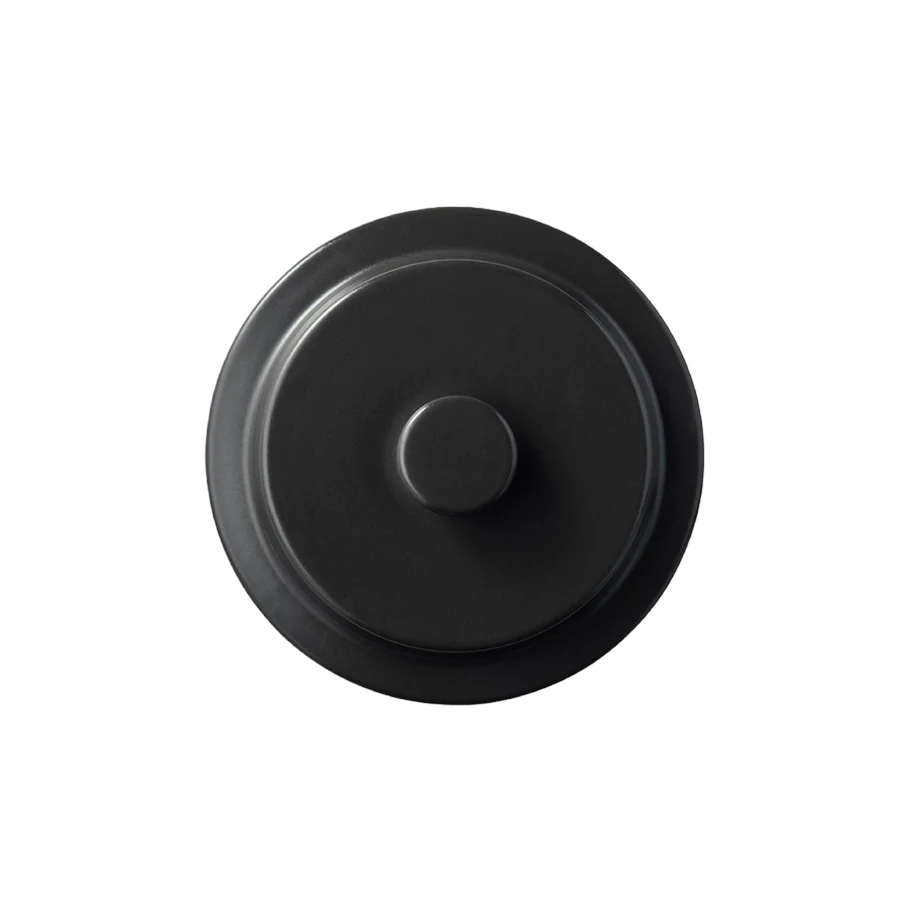
Where the KAMADOSAN requires the attentions of raw clay, the PETARI simplifies life: its low-absorption glaze spares it from seasoning, it goes from flame to oven and microwave, and cleans easily. Free of lead and cadmium, it is designed to serve directly at the table, from the 2-cup rice cooker to the 24 cm donabe pot and 30 cm pots.
Rice first, and everything else after
The PETARI rice cooker prepares about 300 grams of rice, two cups, enough for 2 to 3 people. The method remains that of the donabe: a gentle flame, a resting time, and rice that fills the air with fragrance. We detailed it step by step in our guide to the PETARI Japanese rice cooker.

And because good clay doesn’t stop at rice, the donabe pots gently simmer vegetables, soups, and Sunday dishes, before going from flame to table without transferring.
Frequently Asked Questions
Can you still buy a KAMADOSAN rice cooker?
The brand is no longer restocked at Maison Godillot; only a few last pieces remain, such as the large cooker for 8 to 10 people. For a lasting purchase, the PETARI rice cooker is our alternative in Japanese ceramic.
What is the difference between a KAMADOSAN and a PETARI?
The KAMADOSAN from Nagatani-en is crafted from Iga clay and topped with an internal lid. The PETARI is made of banko ceramic from Yokkaichi, with a low-absorption glaze that eliminates the need for seasoning and offers easier maintenance. Both cook rice over flame, slowly.
Does a PETARI cooker need seasoning before use?
No. Its low-absorption glaze spares it from the traditional seasoning required for raw clay. You rinse it, dry it, and it’s ready to cook.
Does the PETARI work on induction?
No. Like most donabe made of clay, it works on flame, in the oven, and in the microwave, but not on an induction cooktop.
Which PETARI size should I choose to replace a KAMADOSAN?
The 2-cup rice cooker covers meals for 2 to 3 people, equivalent to a small KAMADOSAN. For family stews, the 24 cm and 30 cm donabe pots take over.
Also read: the PETARI rice cooker guide. Explore: the PETARI collection and Japanese cookers.
PETARI is distributed by Maison Godillot, stationery and design and craft objects.

Leave a comment
This site is protected by hCaptcha and the hCaptcha Privacy Policy and Terms of Service apply.