








Tagine dish - Black
3 x €52,00 with Klarna.
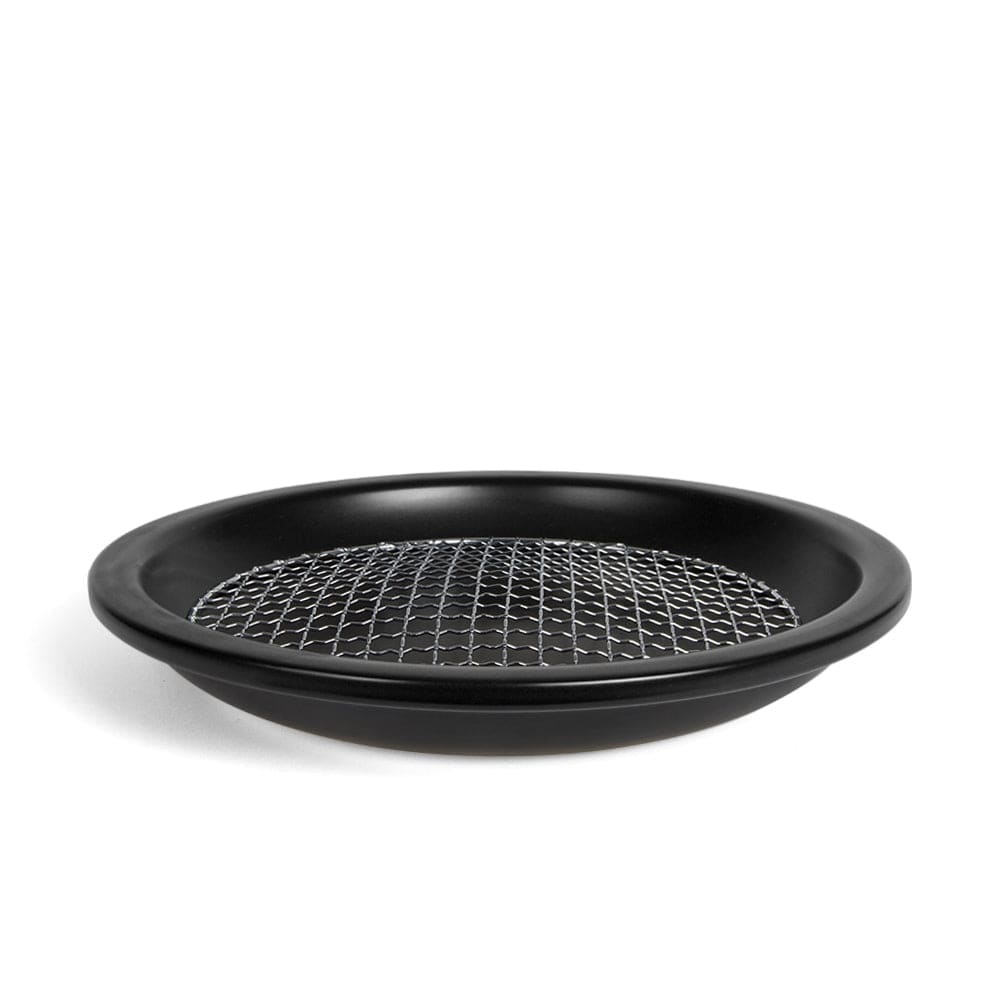
Donabe in the shape of a tagine by Nagatanien, made in Iga, Japan, from black ceramic resistant to direct heat. Diameter 31.5 cm, multifunctional: covered cooking, gas grill, cold storage, and table presentation.


BLACK FUKKURASAN TAJINE DISH
Tajine-style donabe, the multifunctional cooker made by NAGATANIEN.
FUKKURASAN is designed for multiple uses: cooking, refrigeration, and decoration, to become an active part of your daily life. Far from cluttering your cupboards, it will help turn mealtimes into moments of pleasure and sharing!
Different cooking methods:
- covered cooking
- grilling on gas
Eco-friendly refrigeration
- food is kept cool (with the dish and lid soaked in water beforehand)
- food can be stored without plastic wrap
Decoration:
- the lid and dish can also be used for serving (fruit basket,...)
In Iga, a tool called "houroku" was traditionally produced and placed over the fire. It was highly heat-resistant and enabled gentle heat transfer to the core of the food. NAGATANIEN drew inspiration from these ancestral properties of Iga clay and combined them with the tajine to design FUKKURASAN.
The lid creates the perfect conditions for steam cooking by collecting the water contained in the food. The outer pattern, called "tobikanna", increases the surface area, while the spiral glazing leaves the clay exposed for better water absorption. The inner spiral promotes better circulation of vaporization heat.
- Material: Iga clay and glaze
Original instructions and recipe ideas in Japanese. Instructions in French provided.
WARNING: carefully read the usage and care instructions before first use.
Also explore: Kamadosan, Japanese Cookers and Kitchen.
Features
- Dimensions
- diameter 31.5 cm
- Material
- Ceramics
- Color
- Black
- Origin
- Iga, Japan
Use & Care
Heat sources: Gas and oven
Slight cracks called "kanyu" may be visible on the surface; these are normal and pose no risk when using the FUKKURASAN.
Do not leave uneaten food inside
Do not soak in water
Wash with water and dish soap
Do not put in the dishwasher
Dry thoroughly upside down to ensure the bottom dries well (risk of mold)
Do not cool abruptly by placing the hot cooker on a cold surface or running it under cold water (risk of cracks)
Handle with oven mitts while the cooker is hot
Never place on a flammable surface
Do not use for frying (since the clay is porous, oil could drip onto the flame)
A land that breathes, a warmth that takes its time
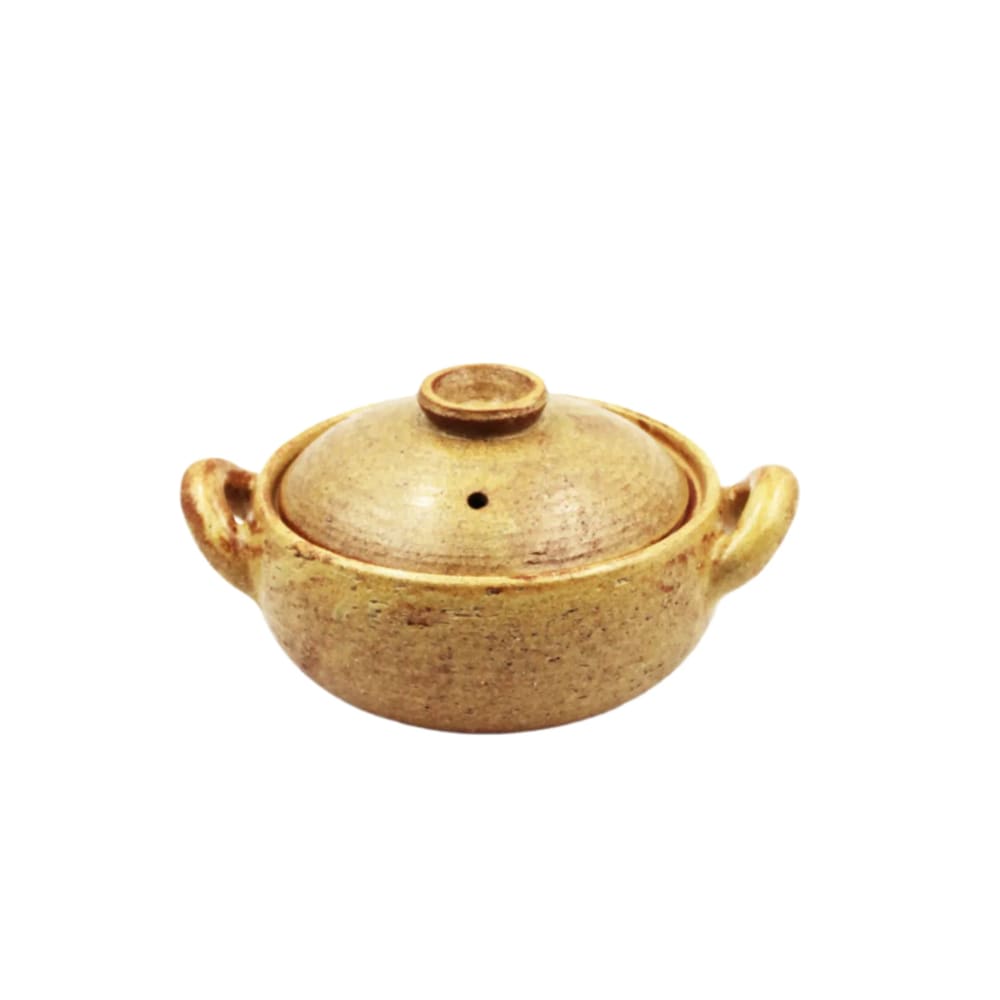
In Iga, the soil is called "the breathing earth." It allows for a gentle rise in temperature and good heat retention. In the past, houroku was made there, a tool placed on the fire, highly resistant to heat and able to transmit it to the core of the food. Nagatanien draws inspiration from these ancient properties for its cookers, including the Kamadosan, the result of over three years of research. The outcome is captured in a simple gesture: a dish that cooks slowly and then arrives at the table just as it is.
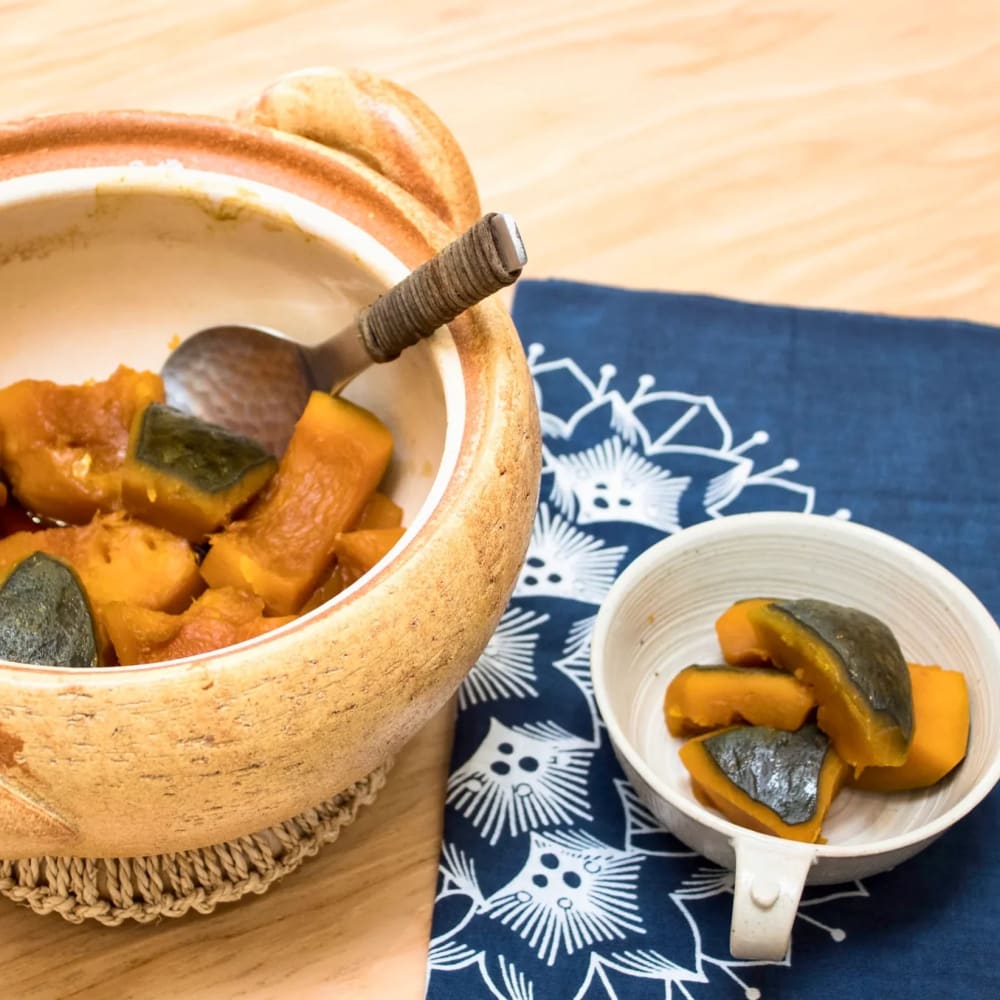
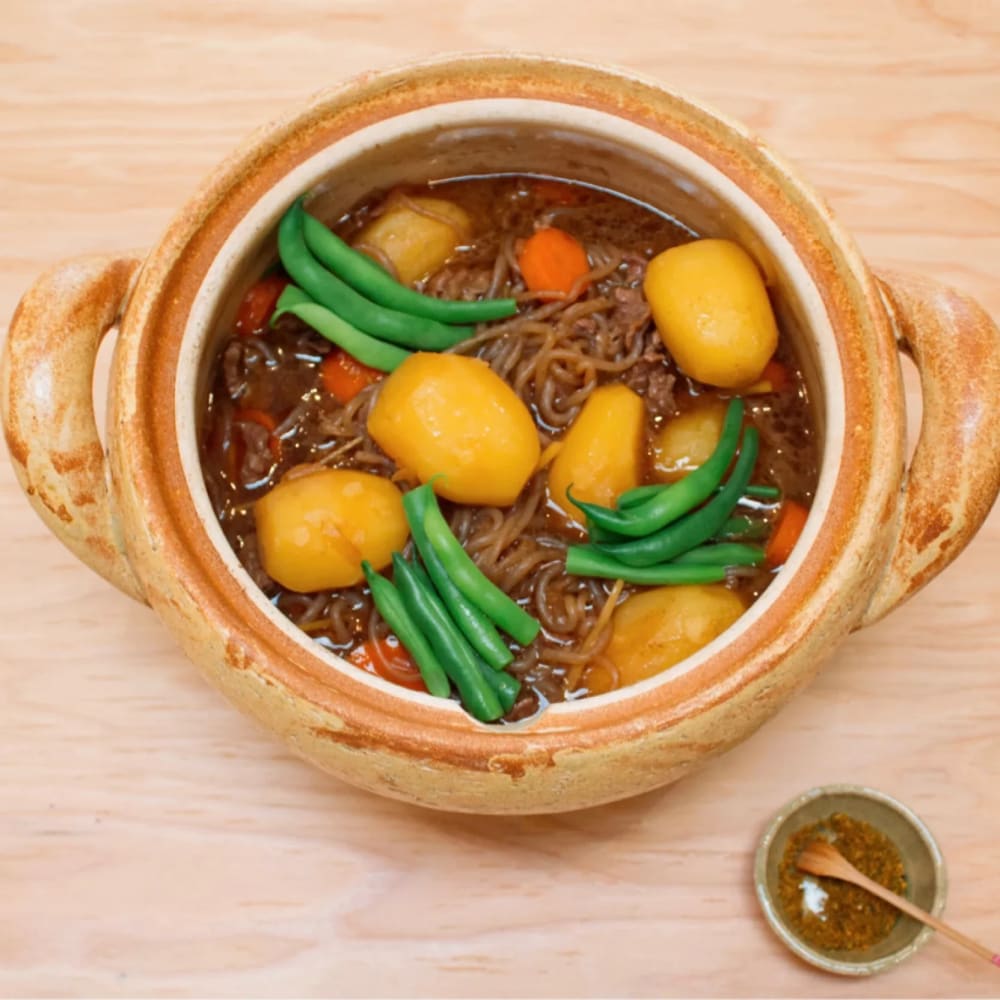
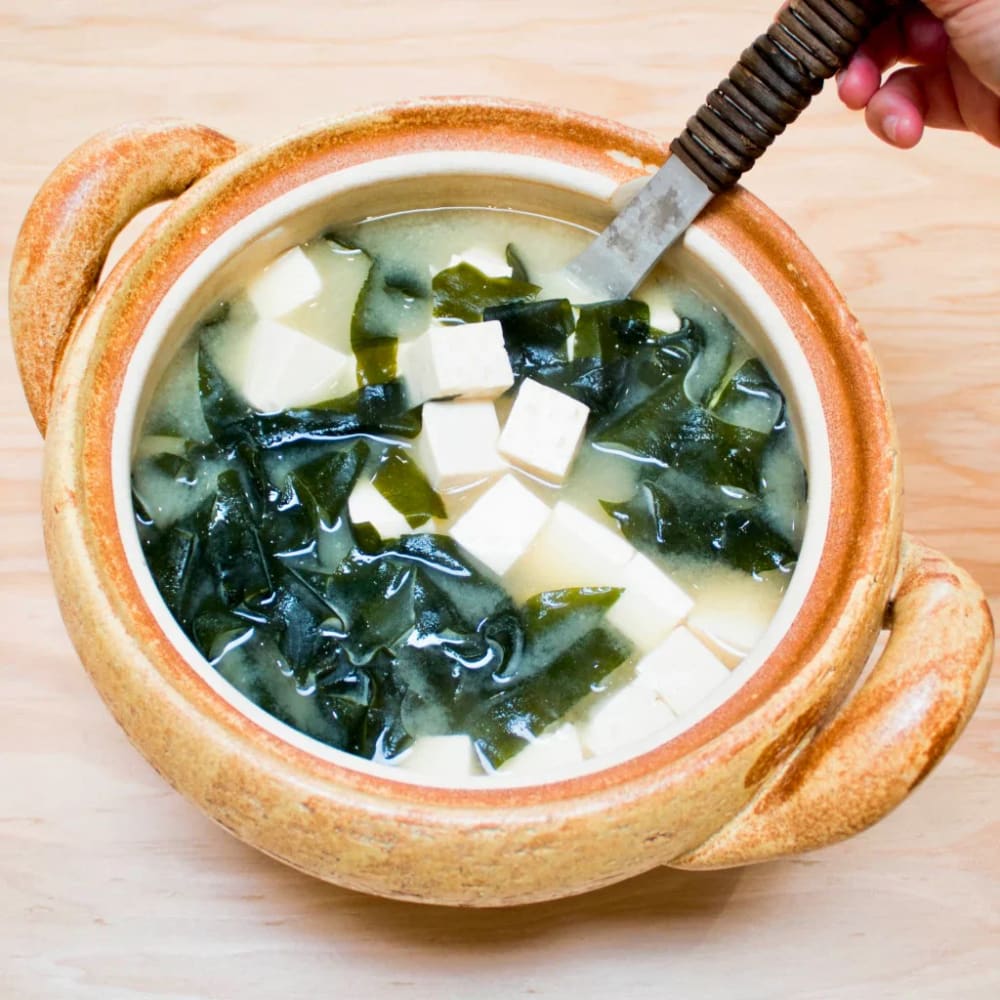
Expertise
What a donabe made of Iga clay changes
The land of Iga
The Kamadosan is made from Iga clay, known as "the breathing earth." It allows for a gentle rise in temperature and excellent heat retention.
Slow cooking
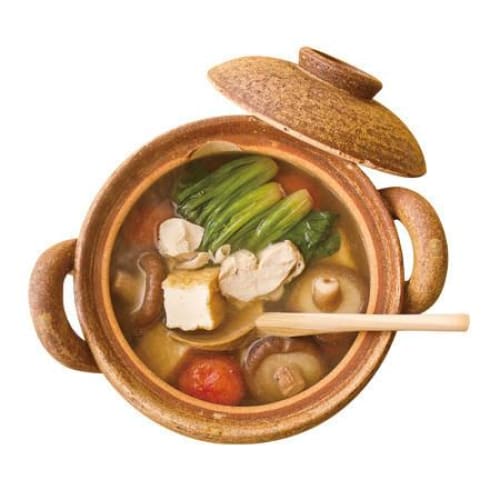
The heat spreads evenly and reaches the core of the food. The ingredients slowly develop umami without breaking down.
The lasting heat
Once heated, the donabe stays hot for a long time. The dish continues to cook off the heat and arrives at the table still warm.
The Legacy of Houroku
In Iga, they produced the houroku, a utensil placed on the fire. Nagatanien incorporates this heat resistance and gentle heat transfer into its cookers.
Three years of development
The Kamadosan combines Iga clay and glazing, with a double-lid system pierced with carefully placed holes. It took more than three years of research to cook rice without constant supervision.
An everyday object
At Nagatanien, every cooker is used daily. The Fukkurasan, for example, goes from cooking to refrigeration and then to presentation: the lid and the dish are also used at the table, rather than sitting unused at the back of a cupboard.