








Wall clock - Kehai - Yellow
3 x €49,16 with Klarna.
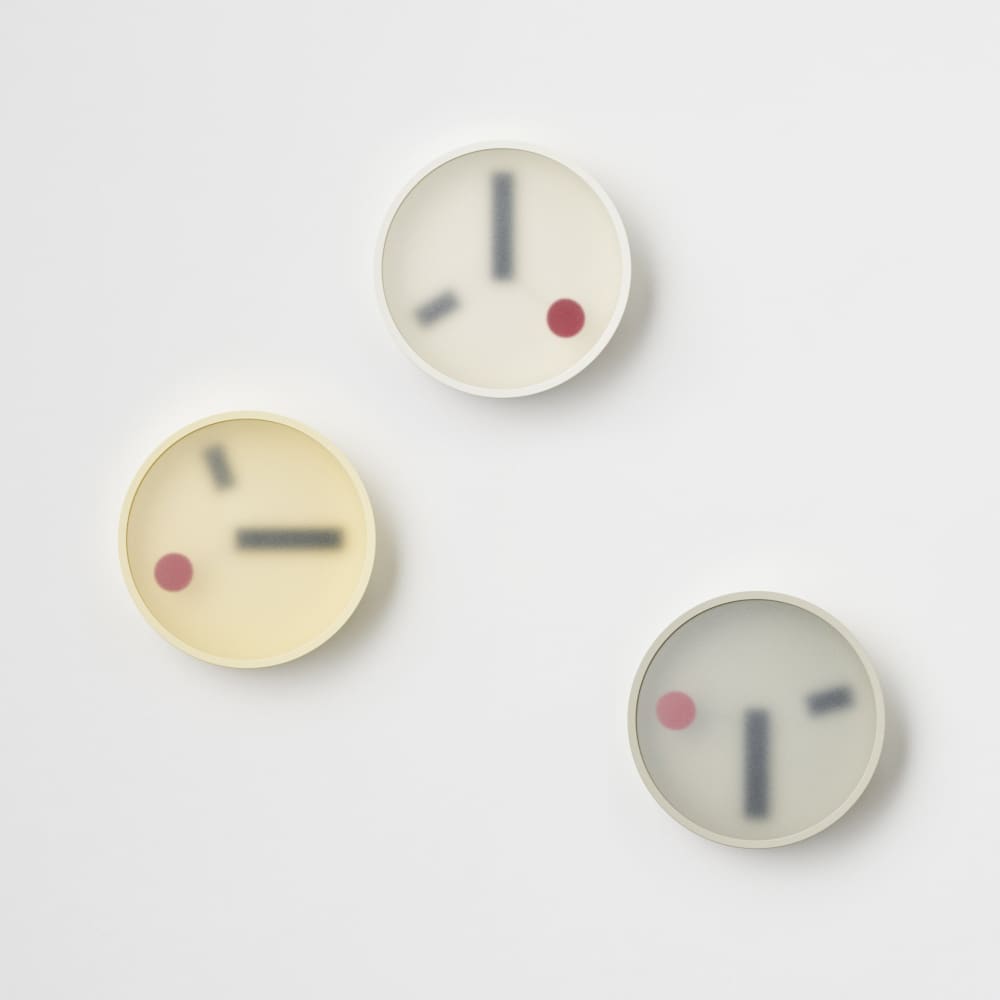
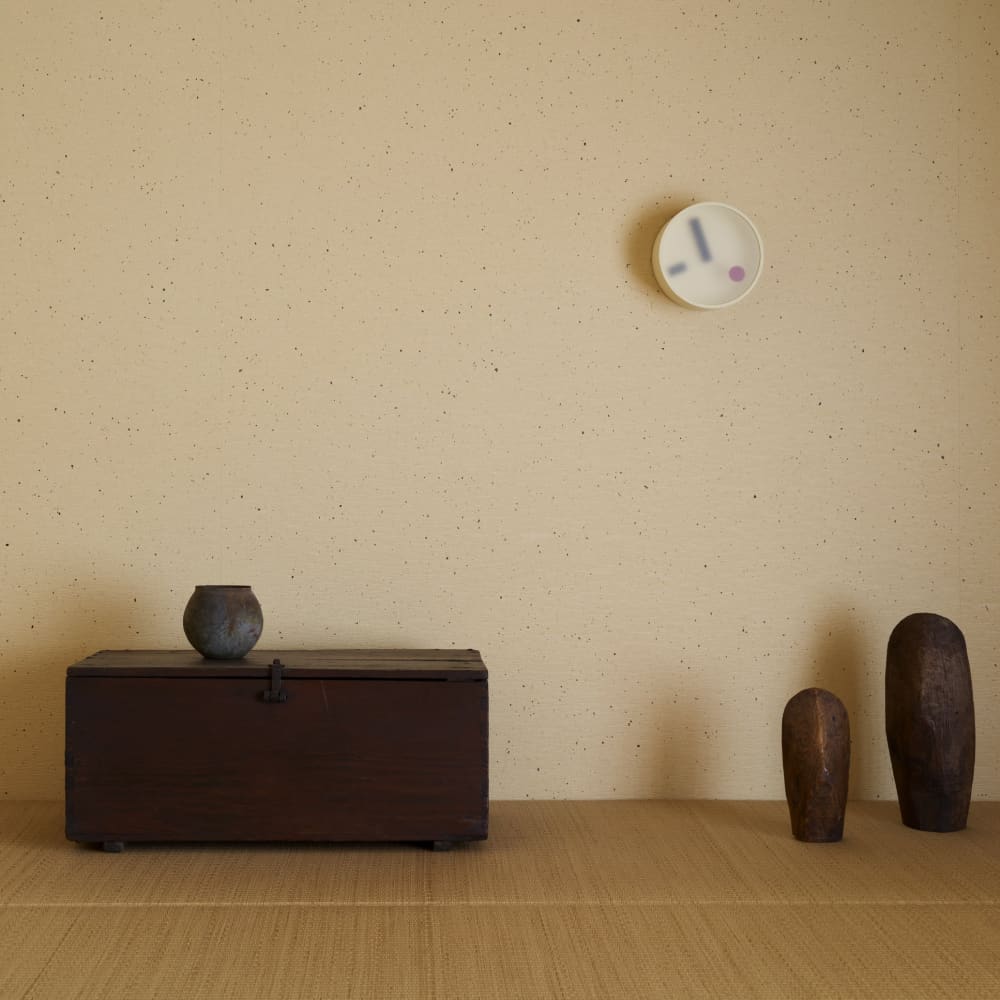
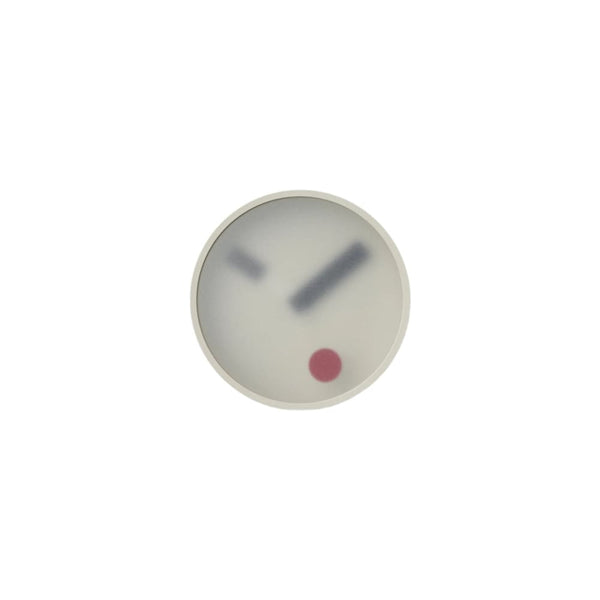
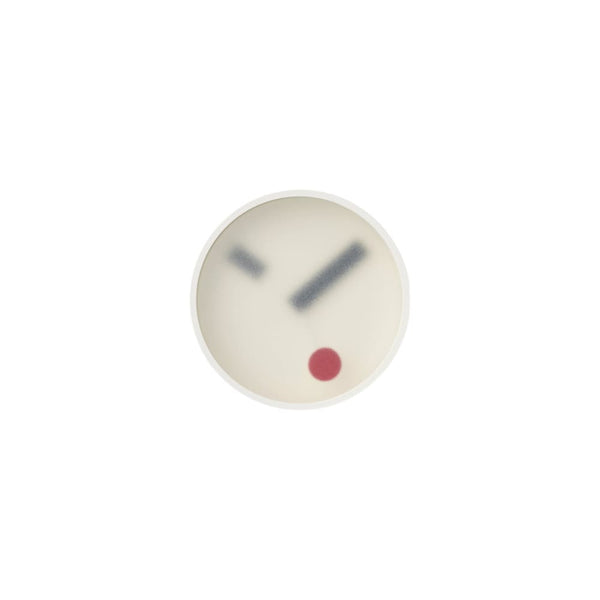
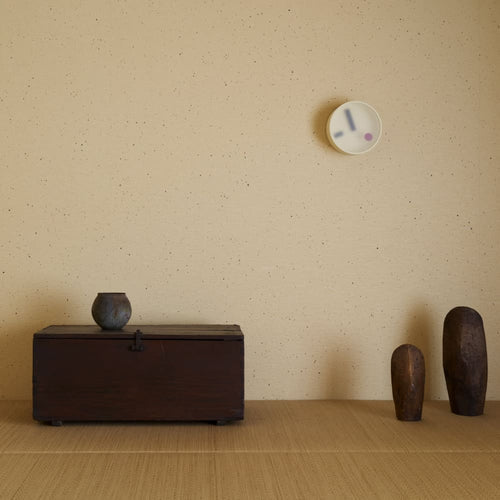
LEMNOS Kehai wall clock in yellow version, Ø13 cm, molded aluminum frame and translucent glass. The yellow color is designed to contrast with light walls while maintaining the same discreet philosophy by MAKOTO KOIZUMI, with a red dot second hand.



KEHAI YELLOW WALL CLOCK BY MAKOTO KOIZUMI
“kehai” embodies a slightly ambiguous sign of time. This clock was originally designed in 2004 but has only recently been produced.
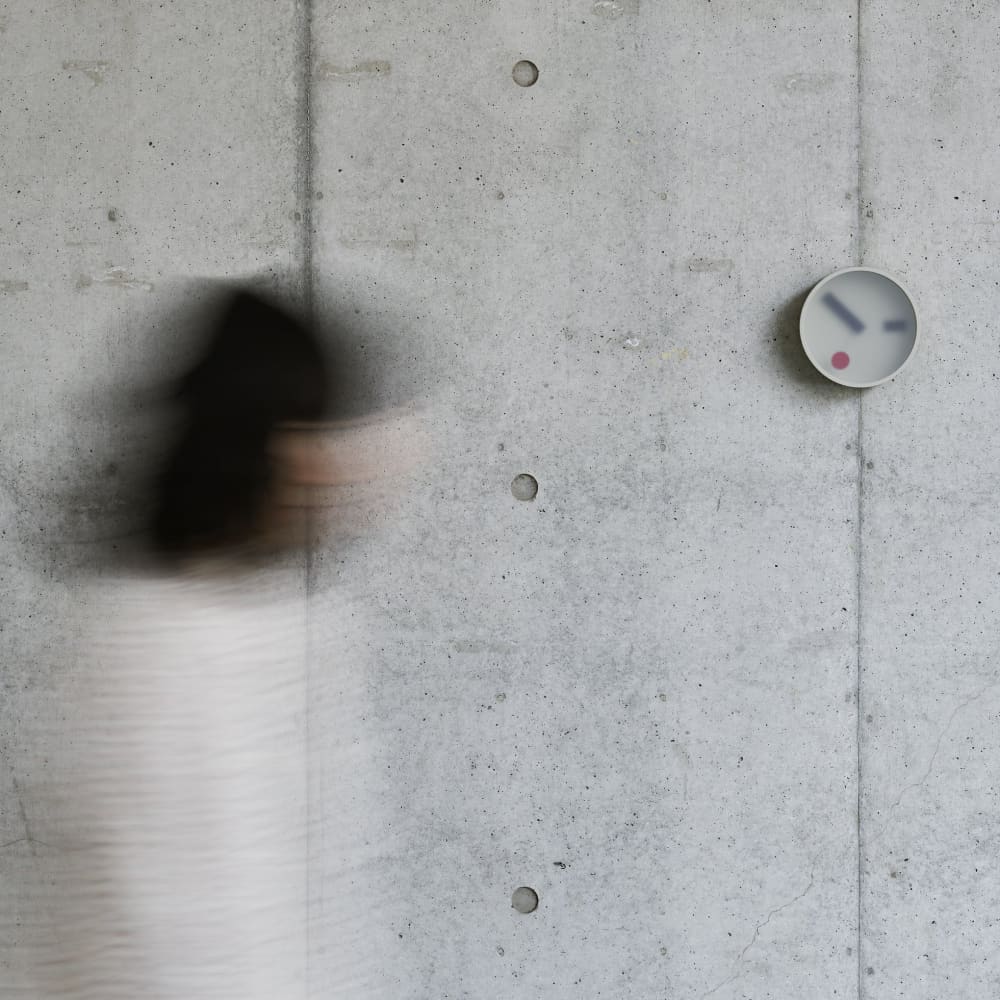
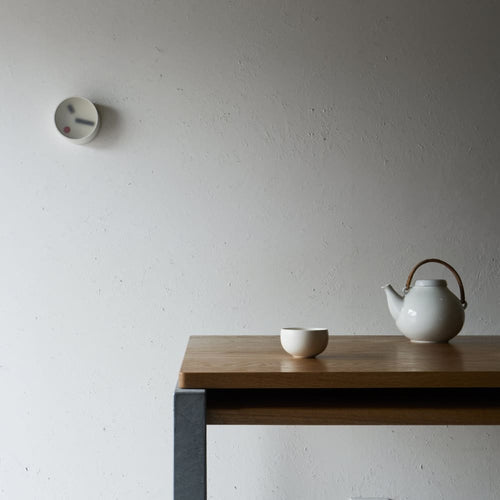
The faintly visible movement of the hands gently conveys an ambiguous sign of time through the translucent glass. Choose from three colors, depending on the wall color, to ensure the clock blends into the space and looks like a sign. The red dot on the second hand turns slowly like a work of art. The thin aluminum frame, delicate yet sturdy, is made by Takata Factory using a molding technique.
DESIGN: MAKOTO KOIZUMI
The designer’s message,
“Sometimes the presence of a clock is unpleasant. And sometimes, the existence of time is also unpleasant. A slightly ambiguous sign of time is therefore very fitting.”
Furniture designer
Makoto Koizumi studied under designers Choei Hara and Shigemitsu Hara. He founded Koizumi Studio in 1990. In 2003, he opened Koizumi Tool Store to showcase his creations. He has designed everything found in daily life, from architecture to chopstick rests. Currently, he travels across Japan visiting manufacturing sites and continuing his collaboration with local communities. In 2015, he launched the Wazawaza association and began restoring craftsmanship. Emeritus professor at Musashino Art University. Winner of the Mainichi Design Award in 2012 and the Grand Prix of the Japan Crafts Exhibition in 2015.
Also explore: Lemnos, Clocks & Alarms and Decoration.
Features
- Dimensions
- φ130 × p.55mm
- Weight
- 295 g
- Material
- Aluminum, Polypropylene, Glass
- Color
- Yellow
- Designer
- MAKOTO KOIZUMI
- Origin
- Toyama, Japan
A clock that is sensed rather than read
The Kehai gives a subtle, somewhat ambiguous indication of time rather than clearly displaying the hour. Makoto Koizumi designed it in 2004, but it has only been produced recently. Behind the translucent glass, the movement of the hands remains faintly visible, gently conveying the passage of hours. The thin aluminum frame, delicate yet sturdy, is molded by Takata Factory. It comes in three colors, gray, white, and yellow, chosen to blend the clock into the wall color and the surrounding space.

KEHAI EXPERTISE
What makes this clock unique
The molded frame
The thin aluminum frame, delicate yet sturdy, is molded by Takata Factory.
The translucent glass
The glass hints at the movement of the hands without ever showing it clearly. Time passes behind the material.
A sign, not a reading
The hands remain faintly visible behind the glass. You don’t check this clock, you watch it.
Three colors, three walls
Gray, white, or yellow: a shade to choose based on the wall color, so the clock blends into the space.
A drawing from 2004
Originally designed in 2004 by Makoto Koizumi, it has only recently been produced.
The red dot on the second hand
It slowly turns behind the glass, like a work of art rather than a sign.