




Nib - Brass
3 x €17,33 with Klarna.
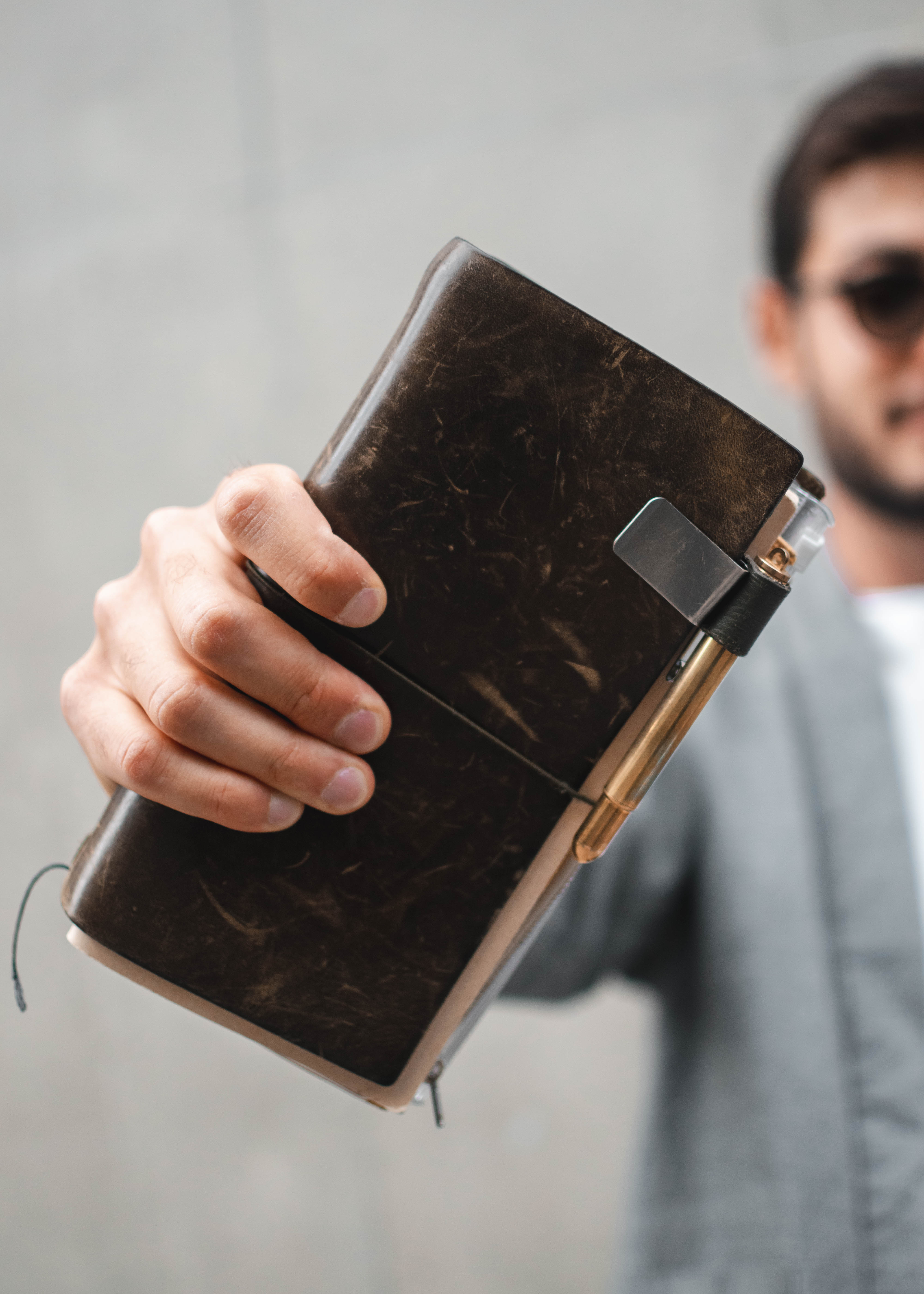
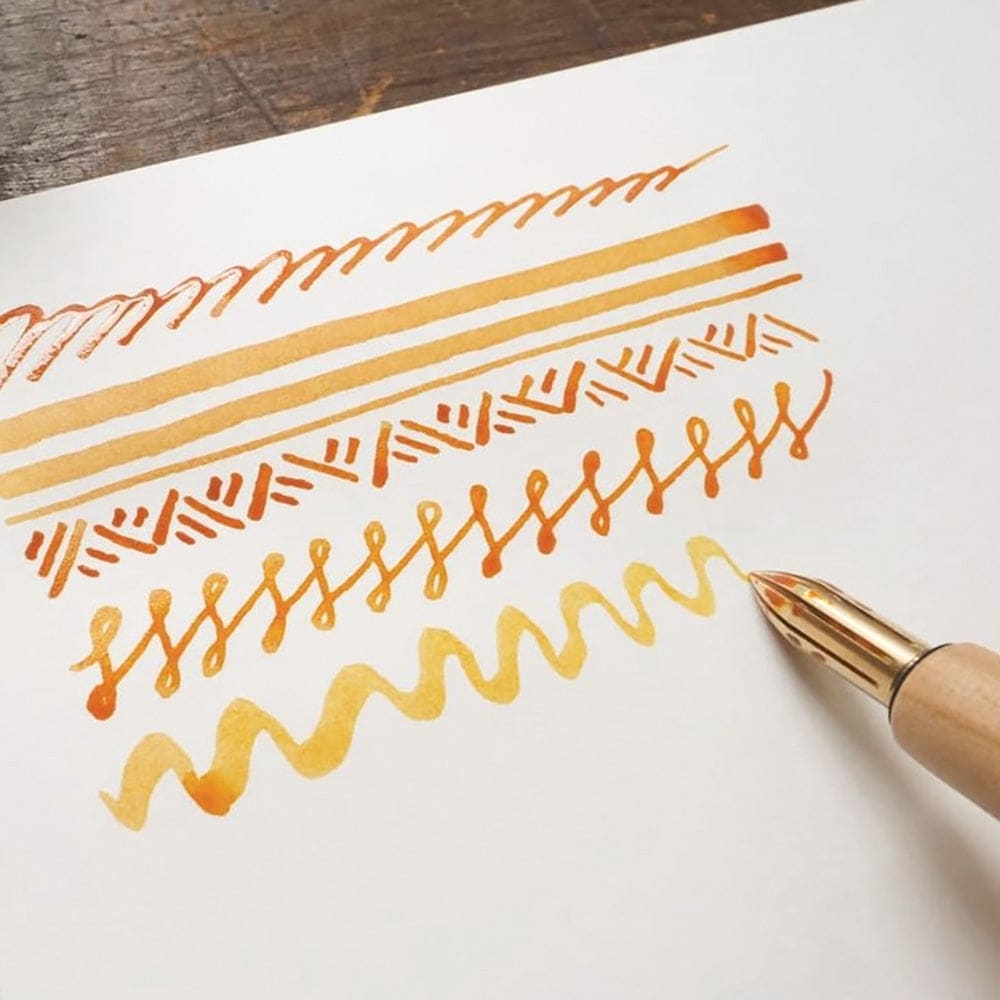
Brass dip pen by KAKIMORI, Tokyo, size d. 0.6 × H. 3 cm. Designed for calligraphy and drawing, it allows you to vary the line thickness by tilting it under 45°, creating brush-like effects.


Brass nib by KAKIMORI, Tokyo, Japan.
The brass nib was designed for durability and functionality. The tip has been carefully rounded and polished, allowing for an exceptionally smooth writing experience, far beyond expectations.
Tilt the nib below 45° to create wavy lines and varying thicknesses like a brush stroke. When the ink intensity decreases, rotate the pen to get more ink into the grooves. A single ink dip allows you to write a message about the size of a postcard.
Ideal for calligraphy and drawing. (For writing and achieving precise lines, choose the stainless steel nib.)
This nib meets universal standards to fit standard pen holders.
- pen holder sold separately (not included)
The brass will develop a natural character and patina with use. Enjoy the unique transformation of your nib.
It was designed by Yuto Yamazaki from the Alloy studio based in Kuramae. This is an innovative nib developed after many prototypes.
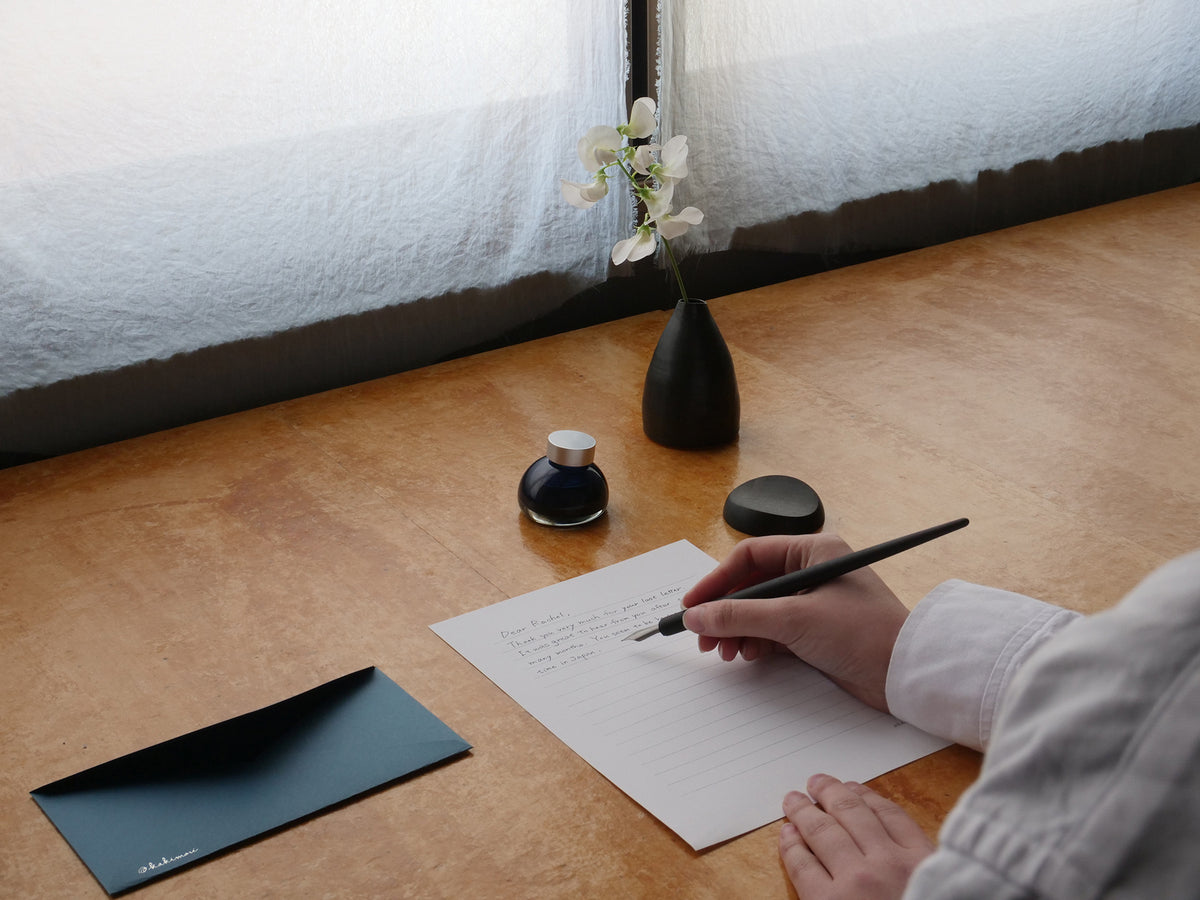
Nowadays, opportunities to write by hand are limited. Focusing on the simplicity of the dip pen, KAKIMORI has developed a range of interchangeable nibs and pen holders. Versatile and designed for regular users, this collection is a new writing instrument suited to our time.
Also explore: Kakimori, Plumes Kakimori and Bureau.
Features
- Dimensions
- H30 × Ø6 mm
- Weight
- 15 g
- Material
- Brass
- Color
- Gilded
- Designer
- Yuto Yamazaki
- Origin
- Tokyo, Japan
- Brand since
- 2010
Use & Care
The maximum writing angle is 45°.
A strong impact on the nib can compromise the accuracy of ink flow.
When removing your nib, pull gently while twisting to avoid detaching the fitting.
To prevent dried ink buildup in the grooves, rinse frequently with water during use.
Remove dried ink by gently scrubbing under water with a soft toothbrush.
If you use a detergent, choose a product with a neutral pH. Avoid alkaline detergents that could damage the surface.
Brass naturally develops a patina over time.
Metal crafted for the act of writing
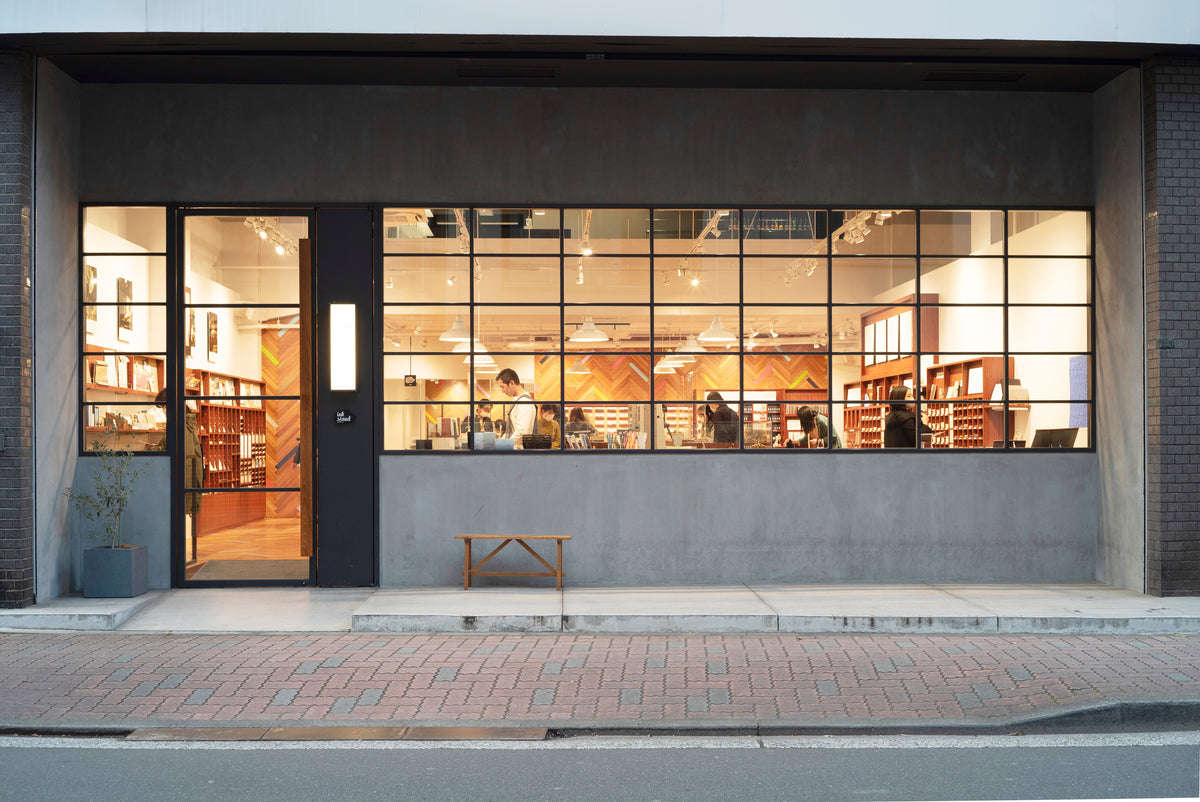
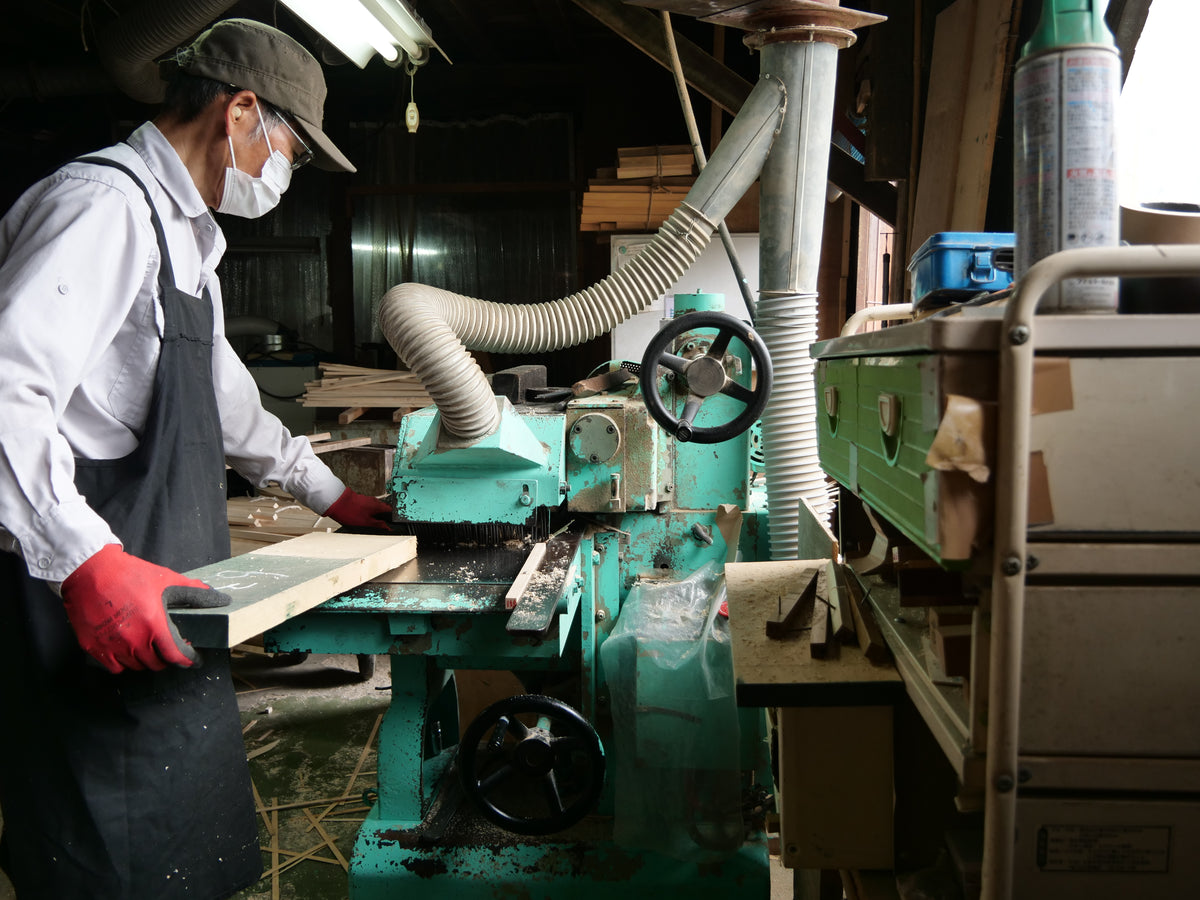
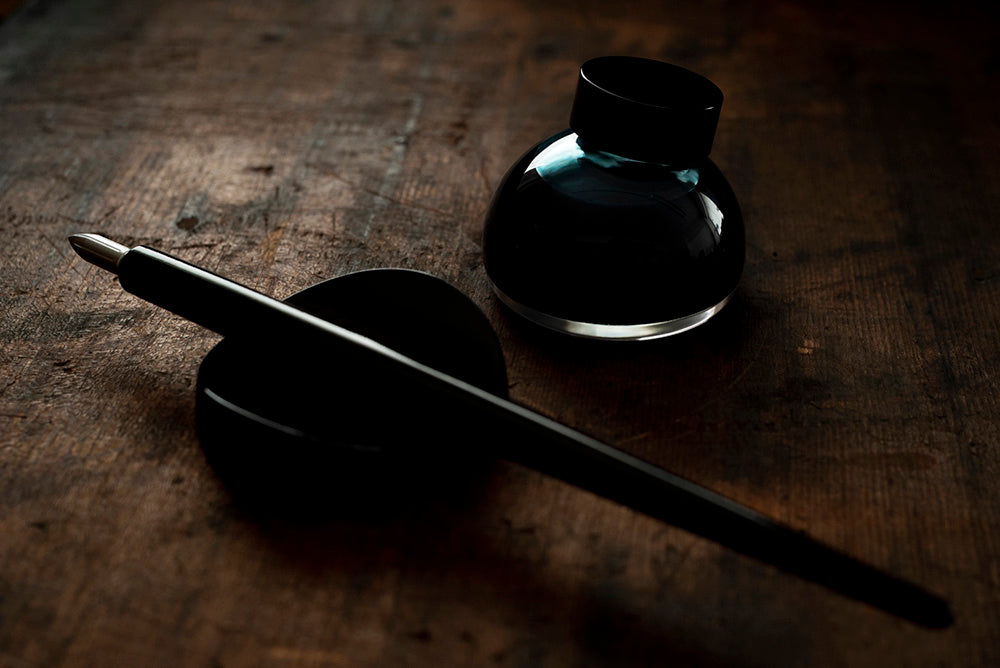
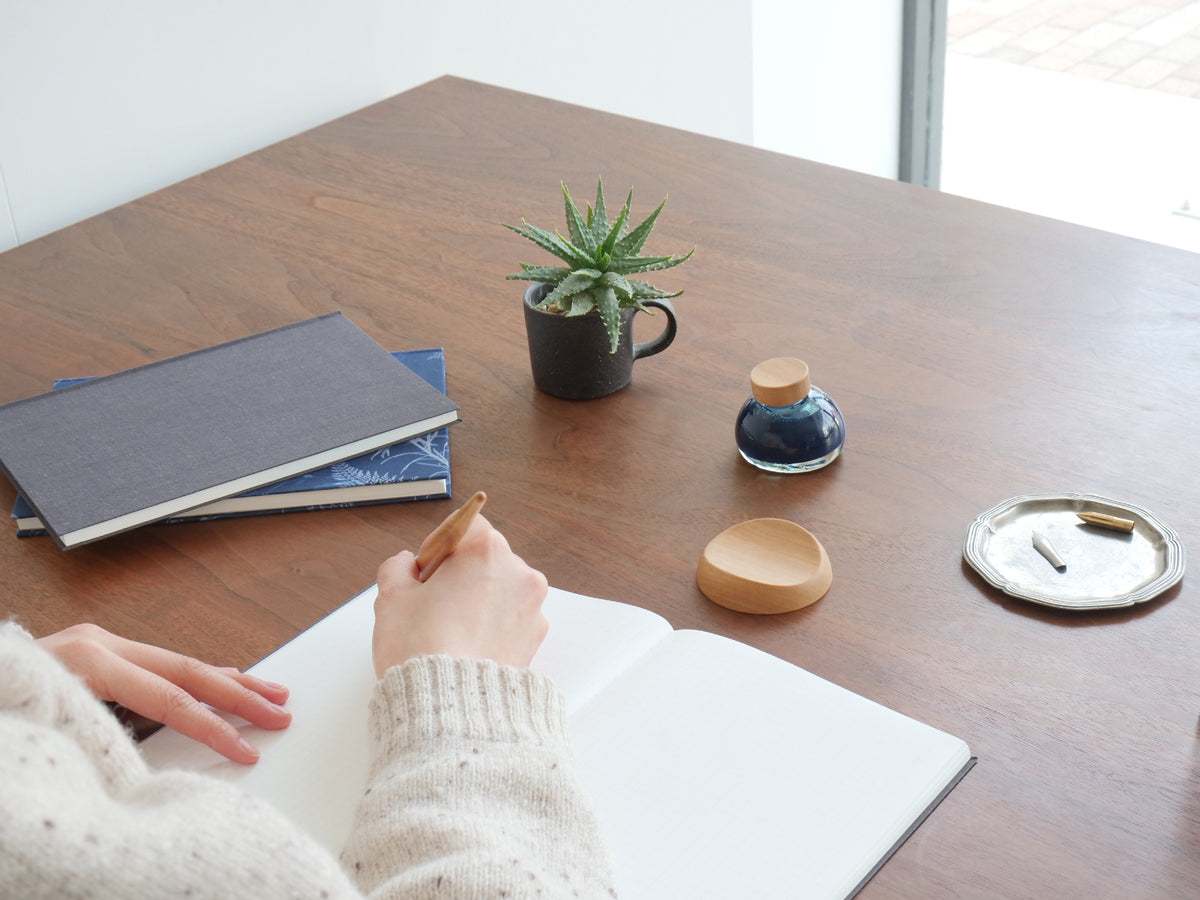
Kakimori was born in Kuramae, a workshop district in Tokyo, with a simple idea: to rekindle the desire to write by hand. Starting from the dip pen, the brand designed a range of interchangeable nibs and holders, crafted according to universal specifications. The stainless steel metal nib is designed by Yuto Yamazaki, and the aluminum holder follows the design of the wooden model, this time machined from solid aluminum. Each piece is carefully finished and chosen separately, according to the way you write.
METAL AT KAKIMORI
What makes these pieces
Steel, stainless and durable
The stainless steel nib resists rust. Its tip, carefully rounded and polished, glides remarkably smoothly over the paper, from fine to broad lines depending on the angle.
Brass, which develops a patina
The brass nib develops a beautiful patina over time. Like the steel one, it goes from a fine to a broad line depending on its angle and can be used like a brush for drawing.
Universal ribs
Nibs and pen holders follow standard specifications, so each nib fits on every pen holder in the range.
Machined from solid aluminum
The aluminum pen holder follows the design of the wooden model, machined from solid aluminum and finished by hand. Heavier than wood (34 g versus 10 g), its weight balances the writing motion.
A redesigned fitting
The nib sits in a redesigned plastic fitting, made by Sakuma Special Steel and Furuta Kasei. Most standard nibs fit it.
One rinse is enough
Feathers require no special care; a quick rinse under water is enough to change the ink color.