



Japanese Cookers

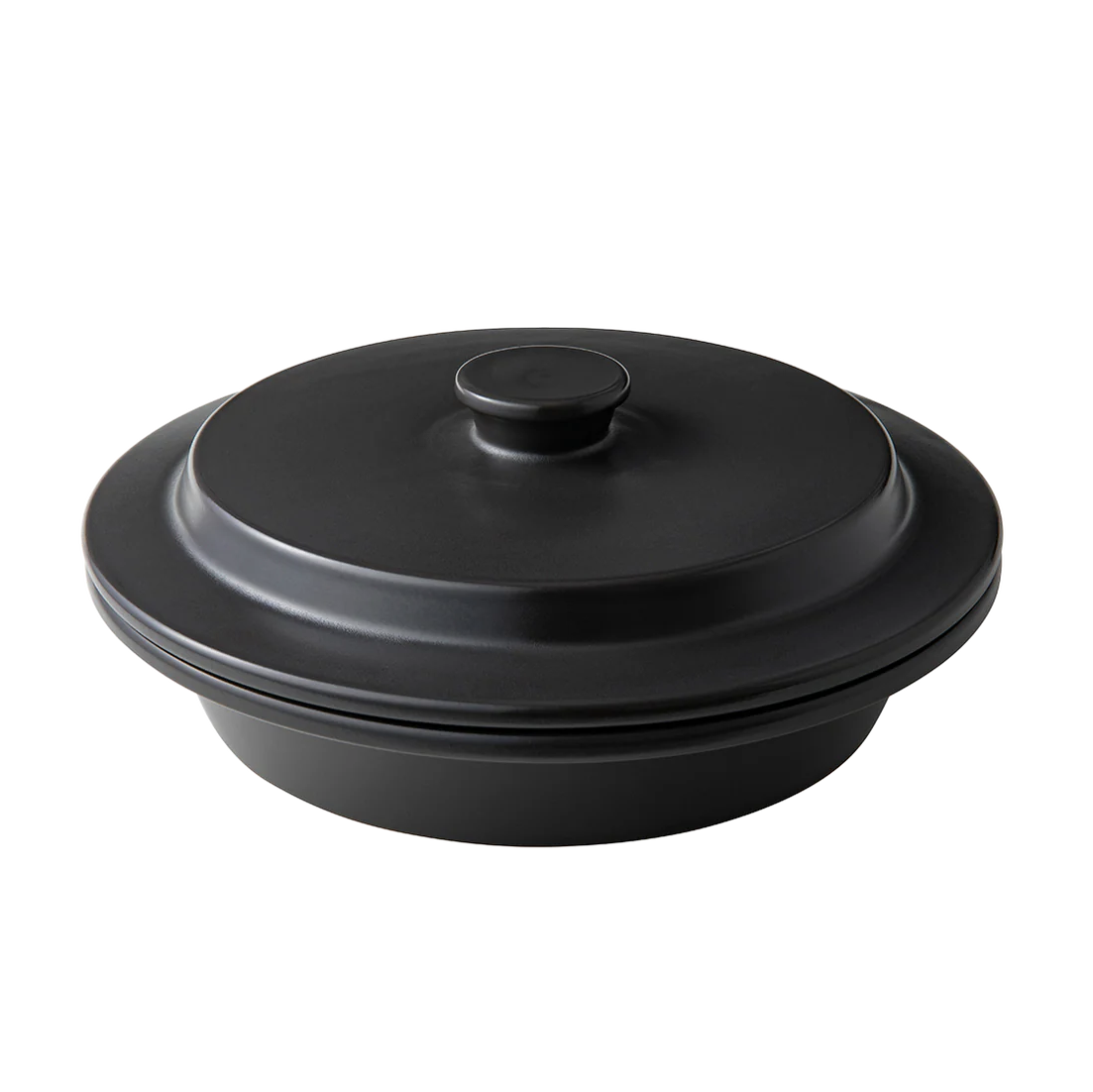
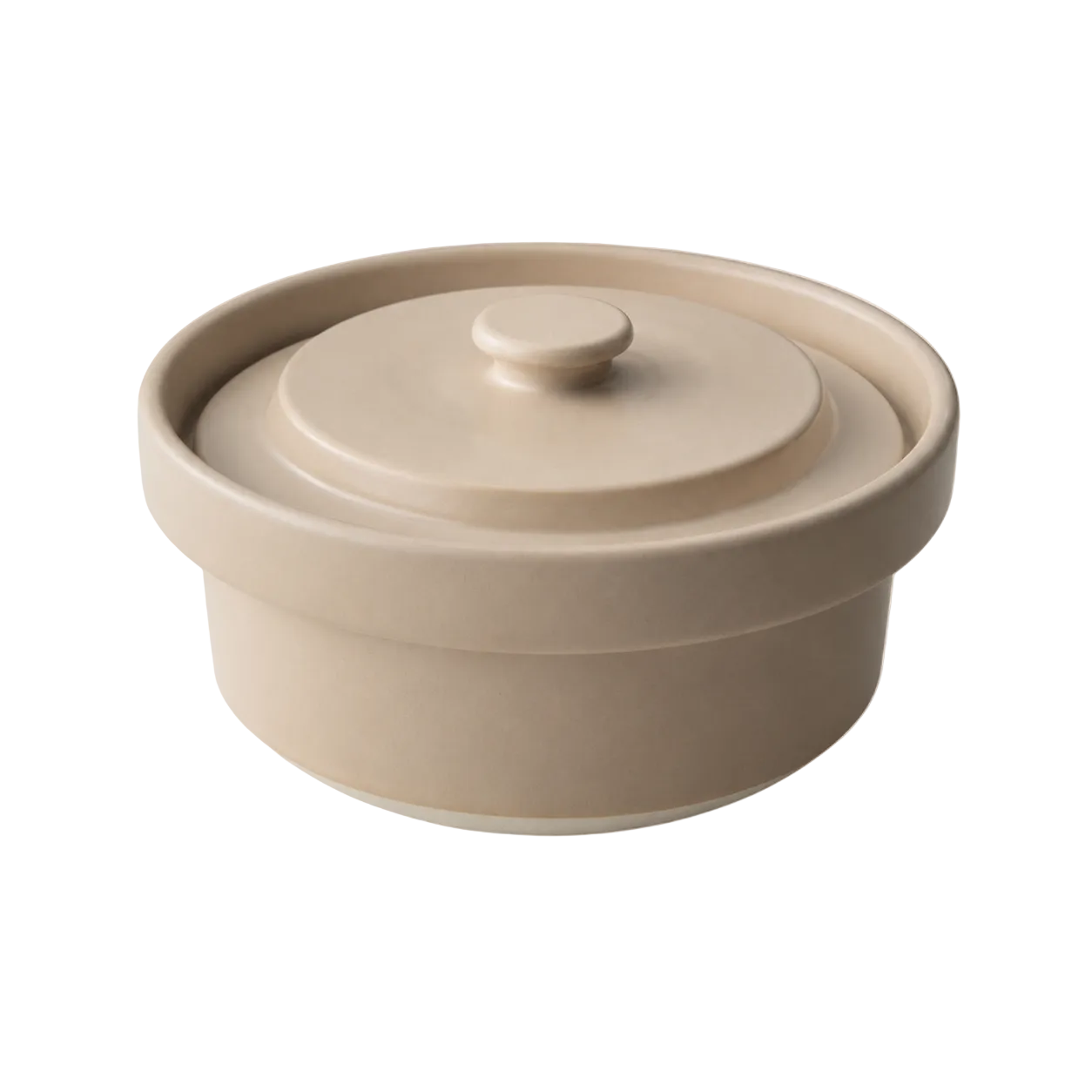
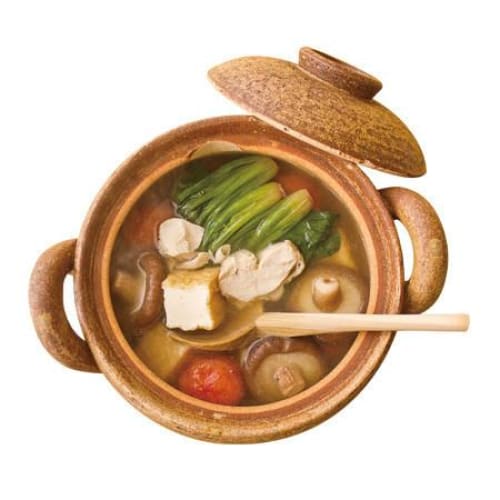
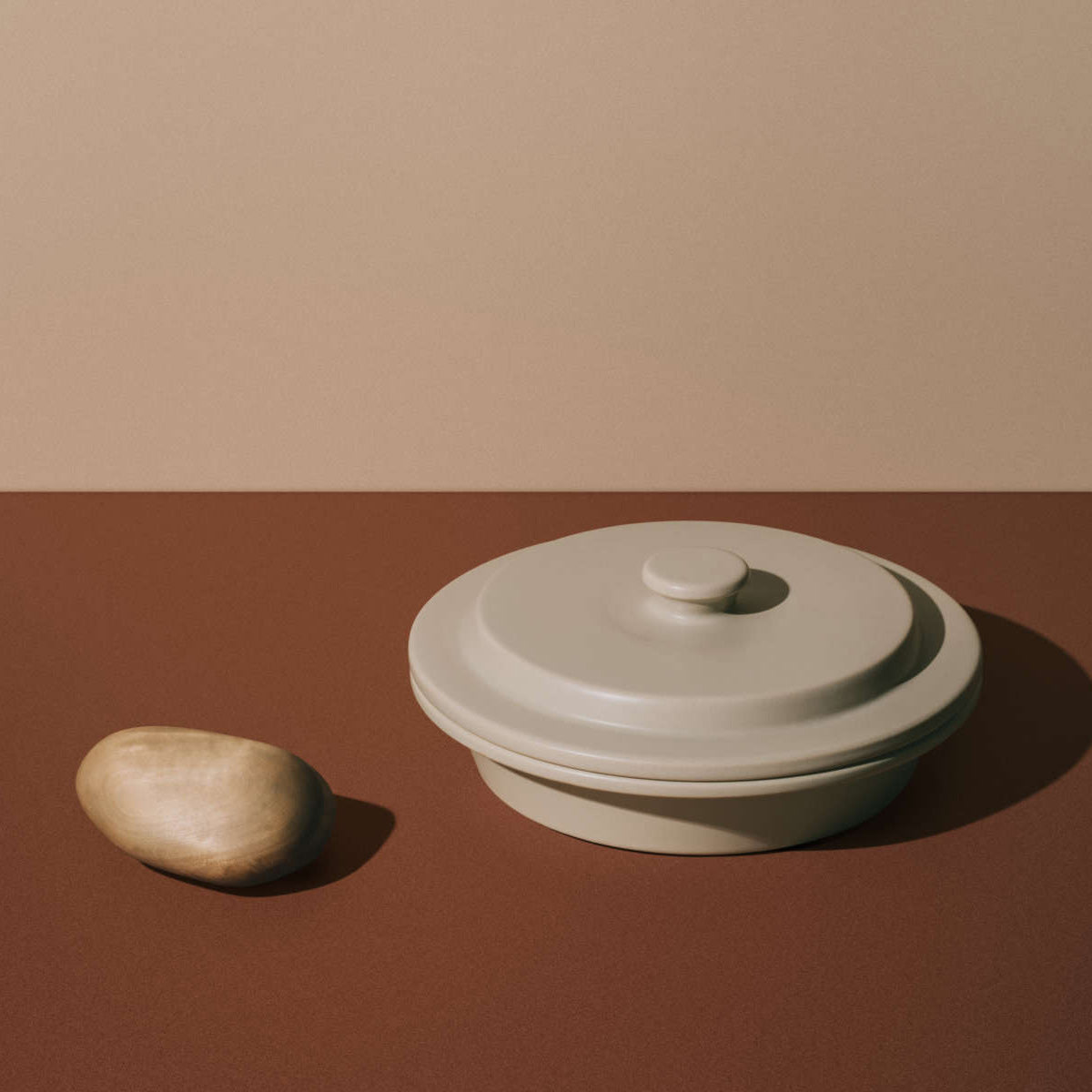
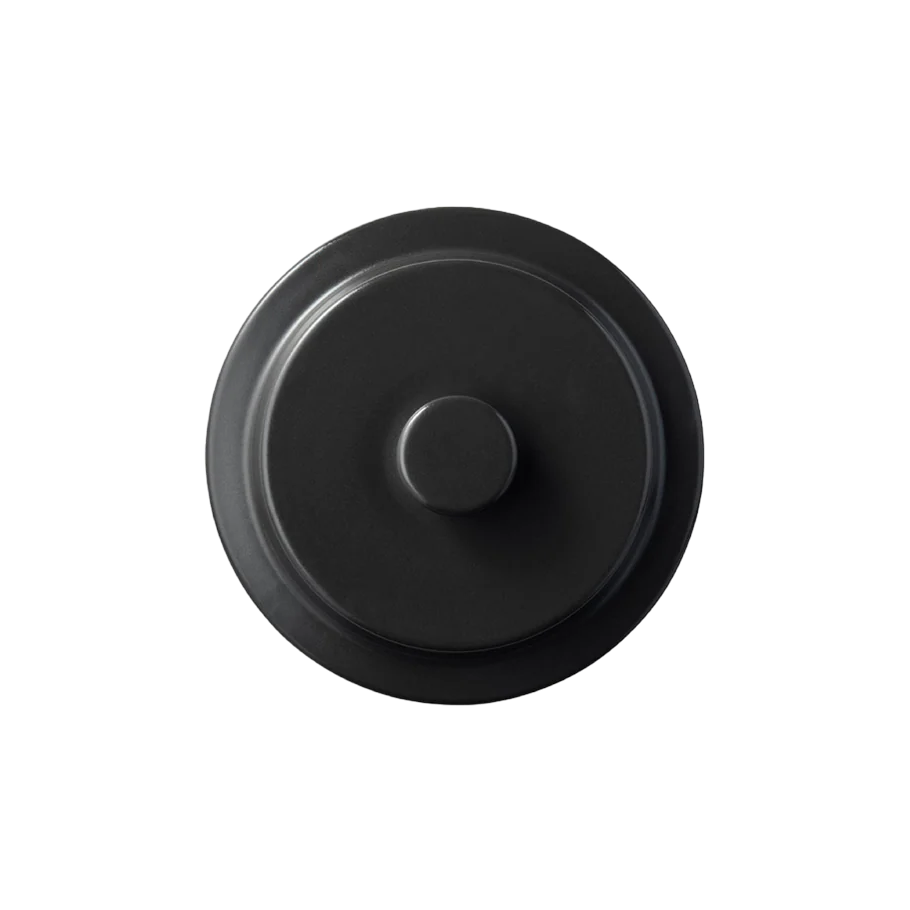
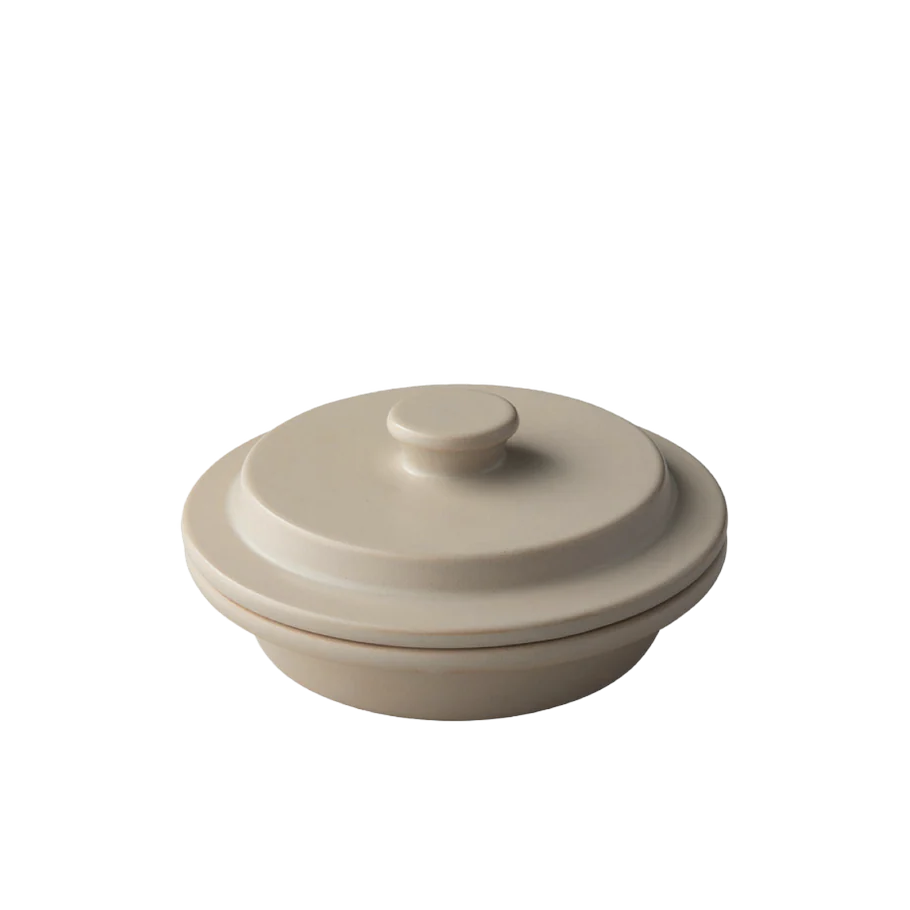
Le donabe, cocotte japonaise en terre cuite, mijote riz et bouillons à feu doux et passe du feu à la table en gardant longtemps la chaleur.

Filters

Product type
11 articles Sort by
Color

11 products

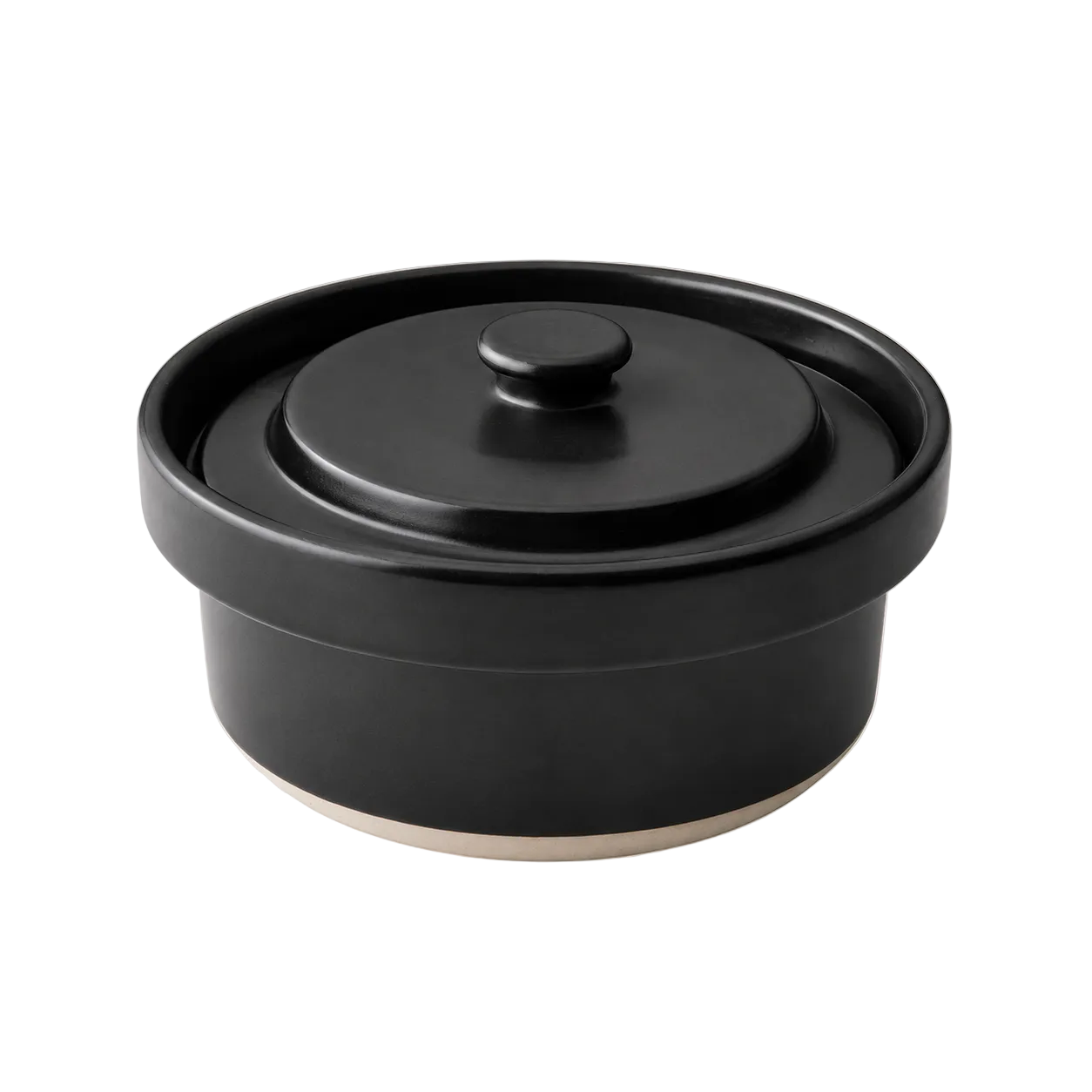
Marmite en terre cuite pour soupes et ragoûts - 1/2 personnes - CUISEURS
Cuiseur à riz 8/10 personnes - CUISEURS
KAMADOSAN
Rice cooker 8/10 persons Sale price€396,00 EUR
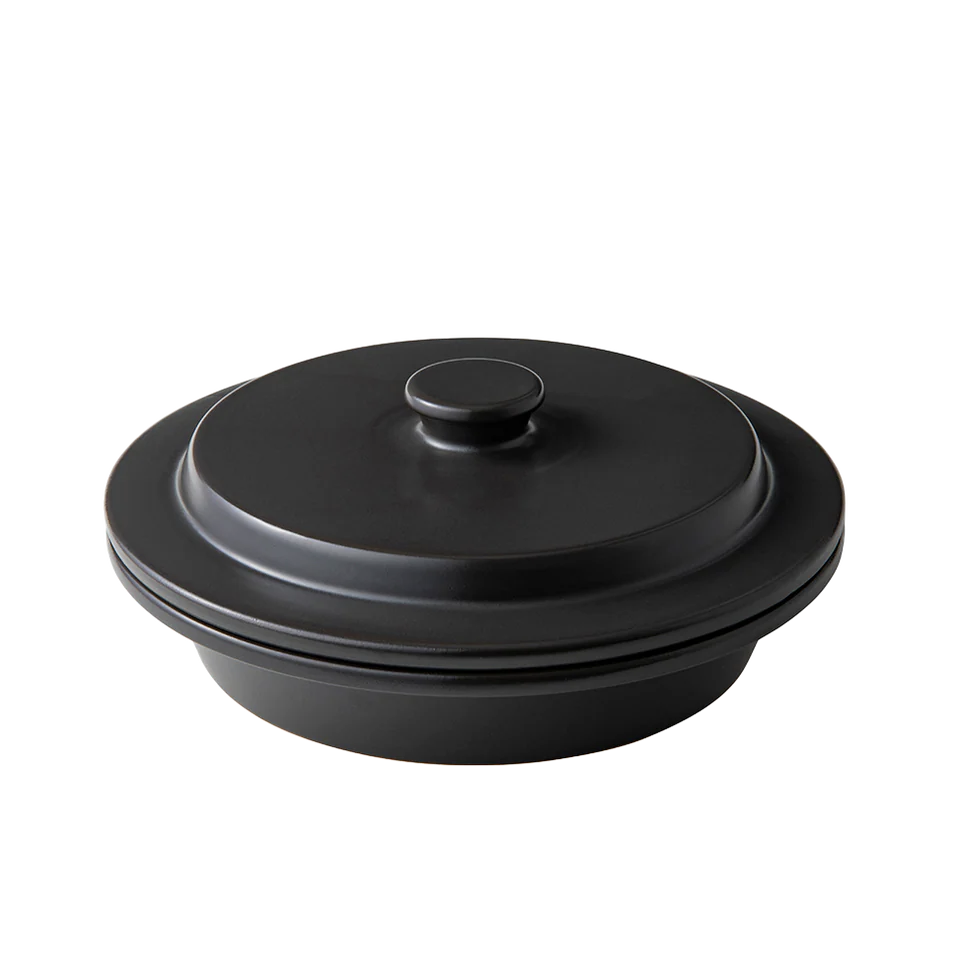
30 cm Flat Casserole - Jet Black
24 cm Flat Casserole - Jet Black
2-Cup Rice Cooker - Jet Black
PETARI
2-Cup Rice Cooker - Jet Black Sale price€179,90 EUR
18 cm Flat Casserole - Jet Black
24 cm Flat Casserole - Roche Ignée
2-Cup Rice Cooker - Roche Ignée
18 cm Flat Casserole - Roche Ignée
30 cm Flat Casserole - Roche Ignée
Plat à tajine Noir KAMADOSAN | Maison Godillot
KAMADOSAN
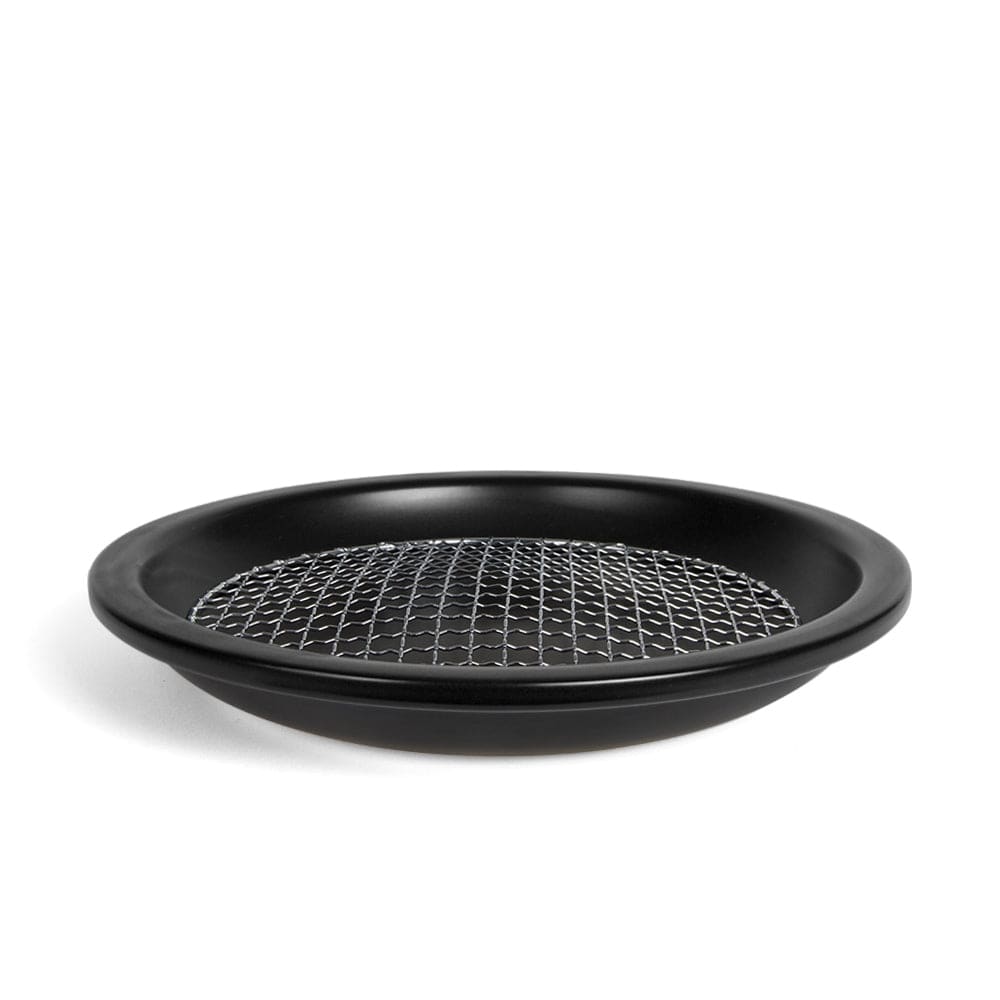
Tagine dish - Black Sale price€156,00 EUR
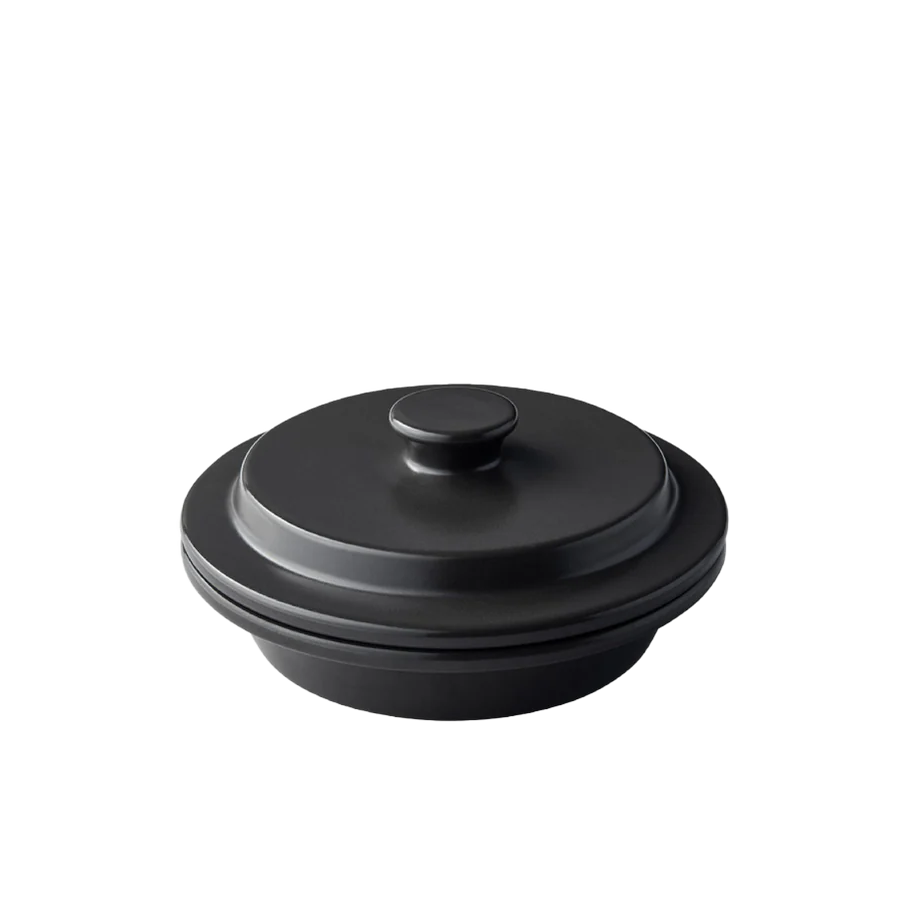
Discover our range of Donabe

We would like to introduce you to an essential type of Japanese cookware called “donabe,” along with its features and uses.

What type of cookware do you use? When it comes to preparing simple recipes, electric kitchen appliances seem to be gaining popularity. However, a traditional Japanese donabe is also suitable for simple cooking, as long as you know how to use it.
After reading this blog and discovering the donabe, we hope you will include it in your selection of cookware at home.

What is a donabe?

A donabe (a word made up of “do” meaning “earth” and “nabe” meaning “pot”) is a shaped and fired clay pot. Besides donabe, there are iron, copper, or stone pots in Japan. Unlike metal pots, a donabe first heats up and then cooks food by distributing heat throughout the entire vessel. Furthermore, the donabe retains heat exceptionally well, meaning most foods stay well cooked even after the heat is turned off. Cooking with residual heat also allows food to absorb more flavors as it cools gradually. The donabe is therefore an ideal vessel for slow cooking. Thanks to its infrared radiation, the donabe cooks food efficiently. Although it takes longer to cook with a donabe, food stays warm for a long time once heated.

What to cook with a donabe?

The most common dish prepared with a donabe is hot pot. On a cold winter day, eating hot pot at the table warms both body and soul. Besides hot pot, you can use a donabe to simmer vegetables or prepare soup and porridge. We also recommend cooking rice in a donabe. It’s very easy, in just a few steps.

What not to cook with a donabe.

Although a donabe can be used for various recipes, it is not suitable for dishes requiring a lot of oil, such as frying. The oil temperature becomes too high, which can damage the donabe.

How to use/cook with a donabe?

Before first use, the donabe must be treated. This process is called “Medome” or “Mebari” in Japanese. As clay, the donabe has many microscopic pores that need to be sealed. If the “Medome” process is not followed, cracks, leaks, and discoloration may appear.
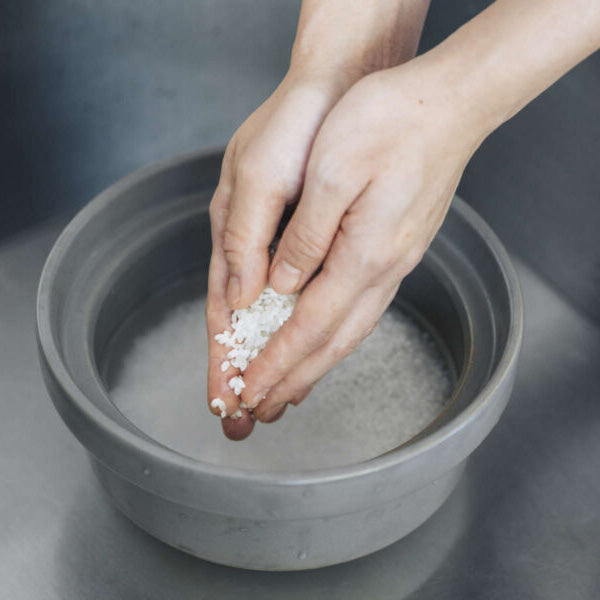
To treat a donabe, boil rice water or water with flour or cornstarch in the donabe for 20 to 30 minutes. Then, dry the donabe completely. Medome is one of the methods to preserve a donabe for a long time and should be done not only before first use but also periodically. Here is a video to learn more.

If you find a crack in your donabe, treat it immediately. Some donabe do not need seasoning, so check the product description or ask a store salesperson.

A donabe can be used on the stove, in the microwave, or in the oven. When using it on the stove, make sure the bottom is dry by wiping off any moisture with a cloth. Heating a donabe when the bottom is wet can cause cracks. If you use a donabe in the oven, do not use the lid, as it is not suitable for oven cooking.

How to care for a donabe

Donabe should be handled gently, as they are heavy and easily breakable. If food remains in a donabe after a meal, we recommend transferring it immediately to another container. They are very absorbent and soak up liquid from leftover food, which causes odors and mold.

If you notice your donabe smells, try boiling water with leftover tea leaves for an hour. After letting it cool, discard the liquid and rinse the donabe. The odor should then be gone.

Be sure to let the donabe cool naturally. Rinsing a donabe while still hot can crack it, as it is sensitive to temperature changes.
To wash it, use only water and a soft sponge. Do not use soap or bleach, as they may penetrate the pores of the donabe. However, if food is stuck to the donabe, you can use a small amount of soap and rinse immediately. Do not put a donabe in the dishwasher.

If you want to clean burnt food from a donabe, simply add baking soda and water and boil it for an hour. After letting it cool, rinse the donabe. Burnt food will then come off much more easily.

How to store a donabe?

Since donabe are made of clay and very absorbent, it is impossible to dry them completely by just wiping water off their surface. Storing a donabe with moisture inside can cause mold to form. After washing a donabe, turn it upside down and place it in a well-ventilated area to dry completely. If you do not plan to use your donabe for a while, store it wrapped in newspaper, which will absorb moisture.

It is also important not to stack other pots on top of the donabe to avoid breaking it. If you notice odors, boil water with vinegar or lemon juice in the donabe for an hour to eliminate them.

Also explore: Cuisine and Kamadosan.