







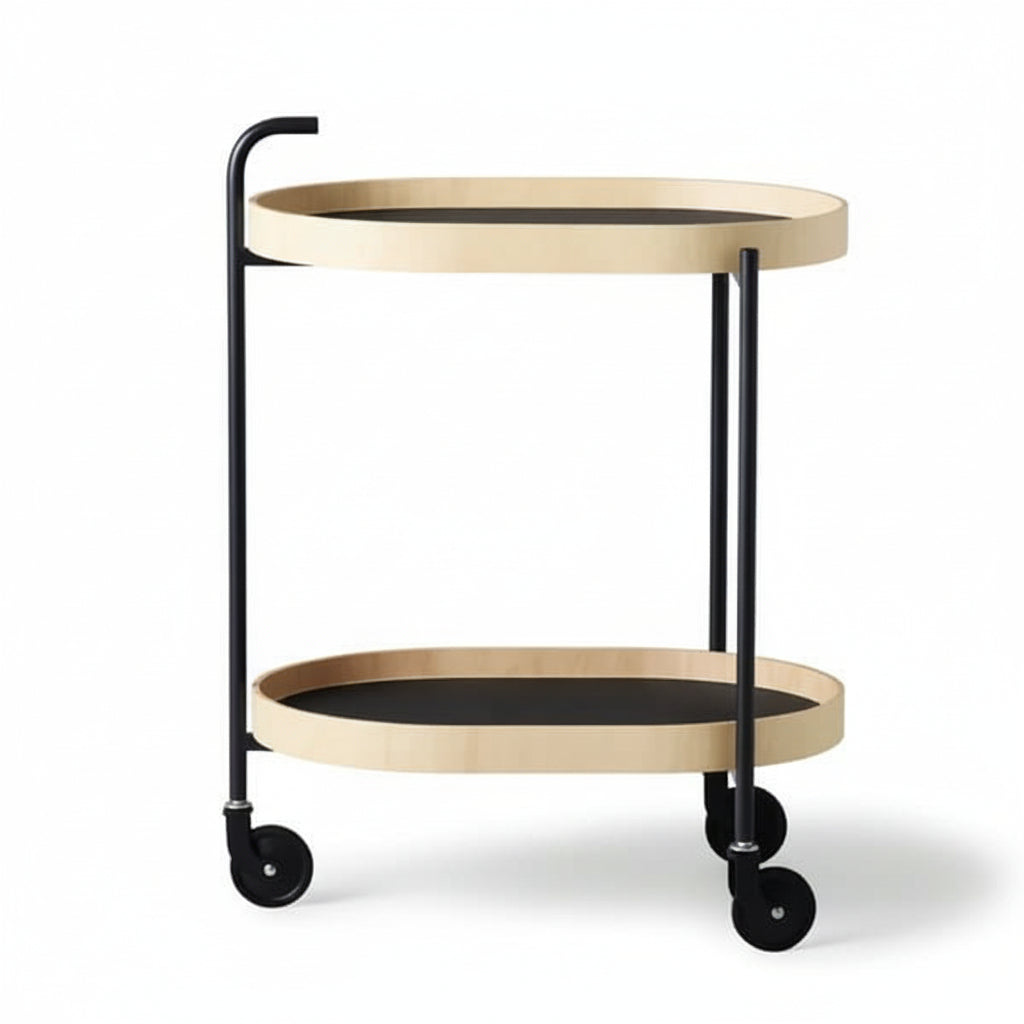


Cart "TROLLEY" - Black
3 x €116,66 with Klarna.
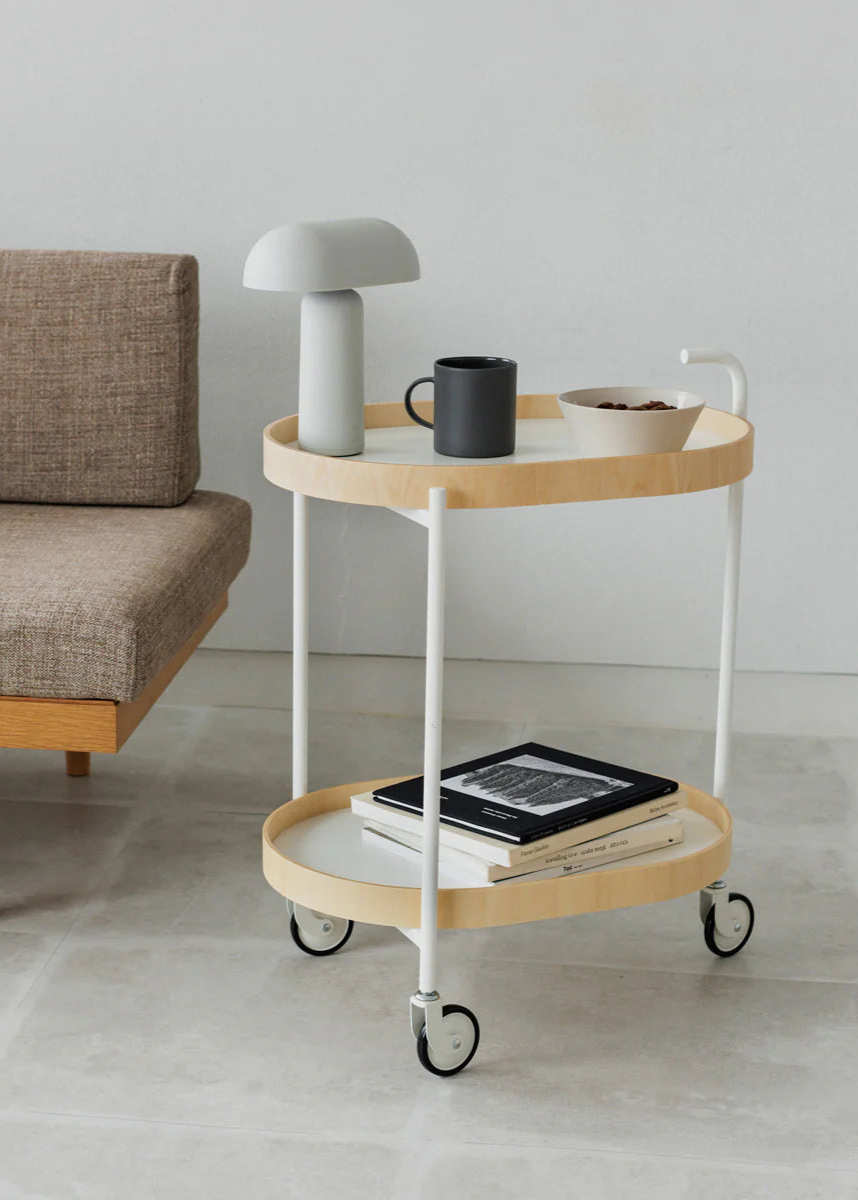
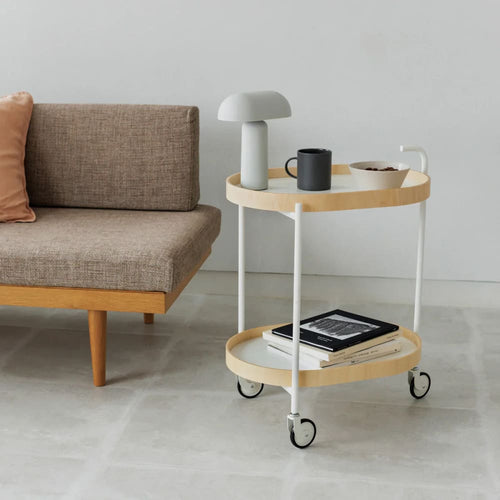
The MOHEIM TROLLEY cart, in black, measures L530 × D375 × H685 mm and features removable wooden trays. It has a compact size compared to traditional kitchen carts, designed by Keiji Ashizawa to move easily between the kitchen and dining room.


The clean design and elegance of the TROLLEY cart naturally fit into all interior styles. Its mobility, connecting the kitchen to the dining room, the practicality of its removable wooden trays, and its more compact size compared to traditional kitchen carts allow it to perfectly integrate into modern interiors and create additional space.
- SIZE: W530 × D375 × H685
Keiji Ashizawa
Graduated from Yokohama National University (Department of Architecture and Building Science) in 1996, Keiji began his career as an architect and honed his craft within the cabinet and lighting design collective Super Robot. In 2005, he founded his eponymous agency, Keiji Ashizawa Design. In 2011, to support local community reconstruction efforts after the Great East Japan Earthquake, he established a public DIY workshop, Ishinomaki Laboratory. In 2014, Ishinomaki Laboratory became a furniture brand. Keiji’s work spans a wide range of fields, including collaborations with international furniture brands. His philosophy, “Honest Design,” applied to architecture, renovation, lighting, and furniture design projects, has led to the creation of works recognized worldwide.
Also explore: MOHEIM, Chariots, and Accessories.
Features
- Dimensions
- W530 × D375 × H685 mm
- Weight
- 5200 g
- Material
- Wood, Steel
- Color
- Black
- Designer
- Keiji Ashizawa
- Origin
- Japan
About MOHEIM
MOHEIM has launched a variety of home items, from tableware to furniture. The common denominator of their creations is minimalism and simplicity, as well as the desire to harmoniously integrate into everyone’s life. Additionally, they use traditional techniques and cutting-edge technologies to shape their products, with an ethical approach that aligns with our times. MOHEIM is a brand that creates “new standards” to enrich the lives of those who own their products.
MOHEIM designs its products with the importance of design in living spaces in mind. Timeless, durable designs that are pleasant to use. A sophisticated aesthetic that fits perfectly into your daily life. They conceive their creations by imagining harmonious, high-quality everyday atmospheres that everyone will cherish forever.
Even objects with an elegant appearance benefit from well-thought-out design and structure. However, design alone is not enough to create a product. The skill and experience of the creator are always necessary. To realize their manufacturing ideals, they integrate cutting-edge technologies as well as the traditional craftsmanship of the region. MOHEIM values craftsmanship in the development of its products.
The term “sustainable” can refer to a wide variety of things. MOHEIM will continue to consider initiatives that promote environmental awareness and benefit society. They develop items from recycled materials and work towards more environmentally friendly manufacturing.
Furniture that moves with you
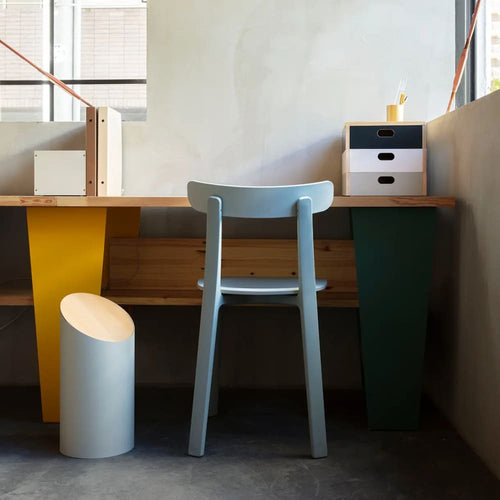
These two pieces are designed by Keiji Ashizawa, an architect who graduated from Yokohama National University in 1996. He began as an architect, refined his work within the Super Robot collective, creators of cabinets and lighting, and then founded his own agency in 2005. This architectural background is evident in the TROLLEY cart and the STOOL stool, conceived as elements of the home rather than mere accessories. The cart connects the kitchen to the dining room with its removable wooden trays, while the stool hides a storage tray under its seat. Two compact black pieces of furniture that fit perfectly in the entryway or the living room.
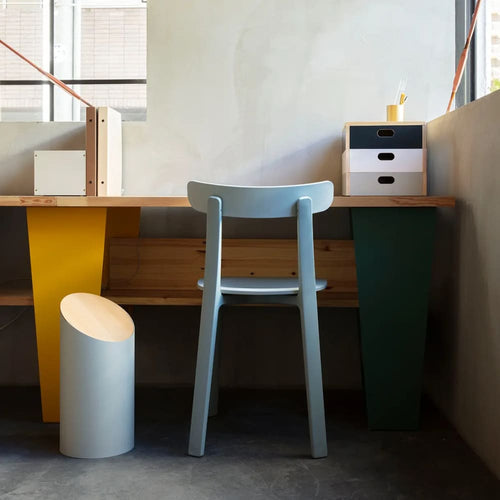
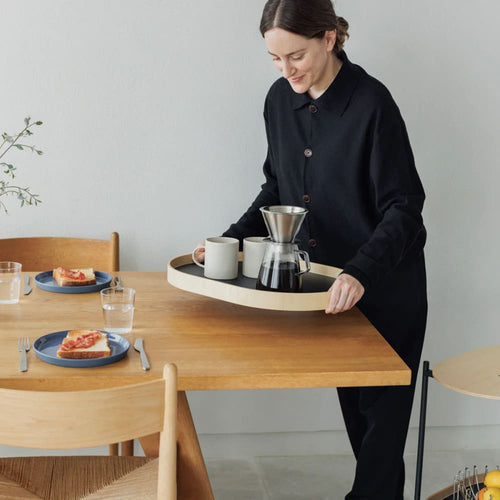
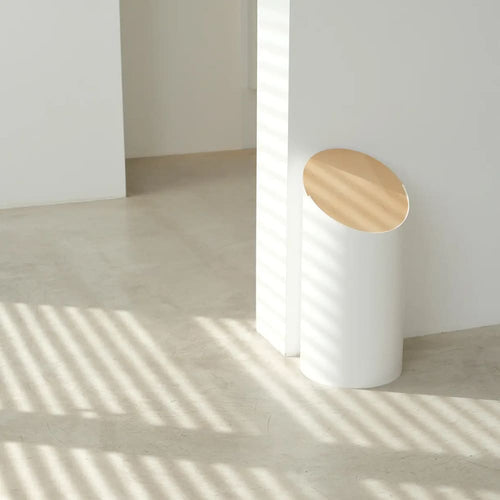
FURNITURE SIGNED BY KEIJI ASHIZAWA
What distinguishes these two pieces
Removable wooden trays
The wooden trays of the TROLLEY cart are removable. Its mobility connects the kitchen to the dining room effortlessly.
Storage under the seat
The STOOL stool has a small storage space under the seat. Its low top features a raised edge, so nothing slips off.
More compact than a kitchen cart
The TROLLEY measures L530 × D375 × H685 mm, a more compact size than traditional kitchen carts.
Two uses in one room
The STOOL serves as a seat at the entrance for putting on shoes, then moves near a sofa or bed as a side table.
An architect at the drawing board
Keiji Ashizawa graduated in architecture in Yokohama in 1996 and founded his agency in 2005. He designed these two pieces of furniture for MOHEIM.
Lines that do not impose themselves
The sleek design of the TROLLEY and the simple look of the STOOL naturally fit into all interior styles.