







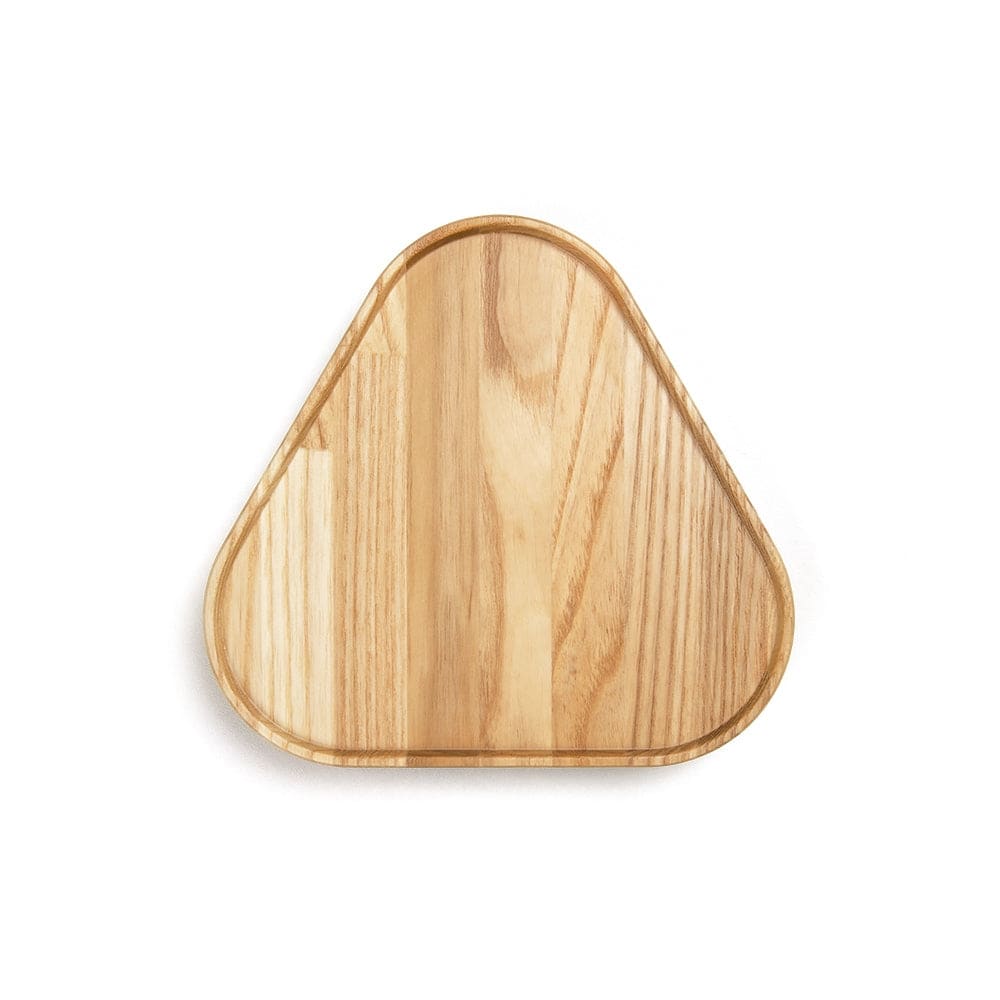
Triangular tray "onigiri" - 170 mm - Wood
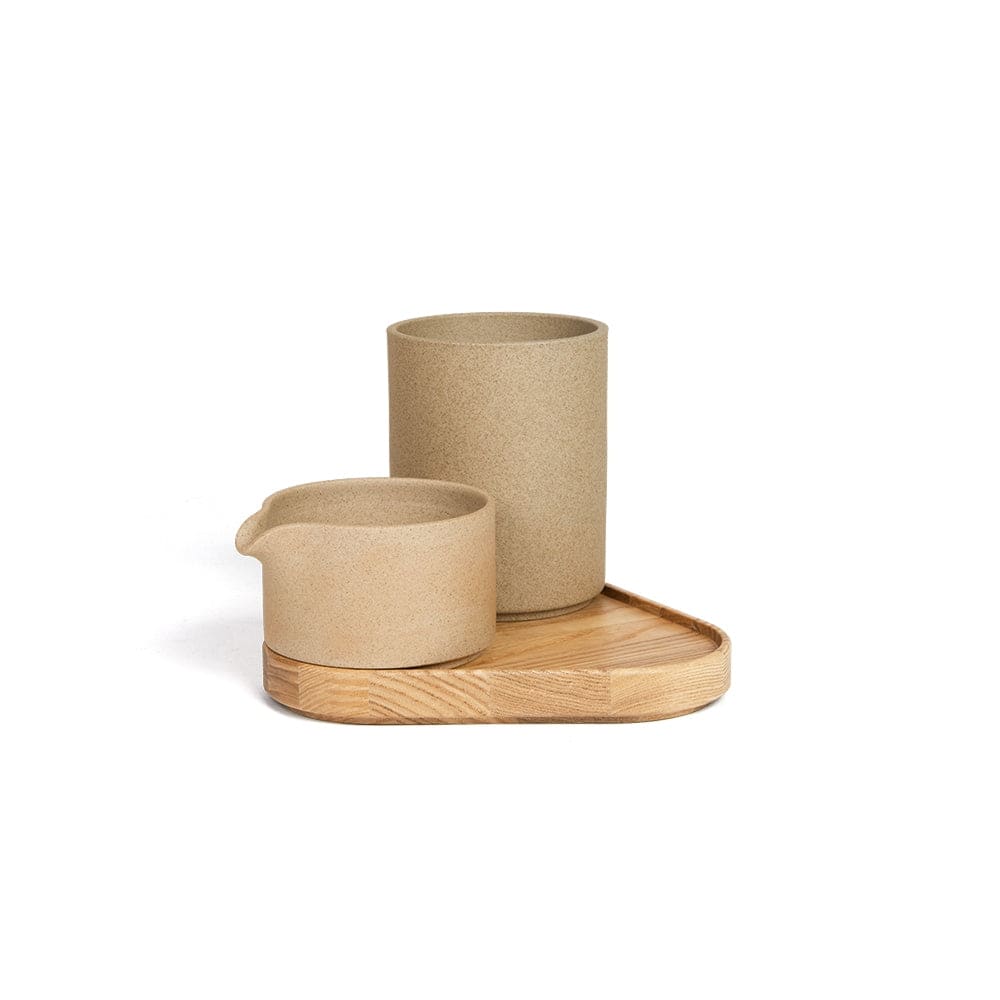
Triangular "onigiri" tray made of ash wood by HASAMI PORCELAIN, 170 × 170 × H21 mm. Designed to hold three 8.5 cm diameter pieces from the range and serve as a stackable lid, inspired by traditional Japanese lacquered boxes.


TRIANGULAR "ONIGIRI" WOODEN PLATE 170MM
"Onigiri" (Japanese rice ball) wooden plate by the Japanese manufacturer HASAMI PORCELAIN.
Inspired by traditional lacquered boxes, the different elements are the same size to stack securely. The wooden plates and trays thus become lids. It is also possible to mix the two colors.
Simple and practical, this tableware is designed for everyday use. Its aesthetic with clean lines, highlighted by the layering of elements, makes it a perfect match for contemporary and minimalist kitchens.
- Ash wood
- Ideal for holding 3 items with a diameter of 8.5cm (mugs, ramekins, milk or sugar pots)
Also explore: Hasami Porcelain, Current Offers and Tableware.
Features
- Dimensions
- 170 × 170 × H21 mm
- Material
- Wood
- Color
- Beige
- Designer
- Takuhiro Shinomoto
- Origin
- Asahikawa, Japan
Use & Care
Microwave: No
Clean and wipe immediately. Do not soak.
A city that has been producing porcelain for four centuries
The artisans of the town of Hasami, in Nagasaki Prefecture, have been producing porcelain for four centuries. It is from this heritage that the Hasami Porcelain brand was born, with the collection entrusted to designer Takuhiro Shinomoto, founder of Tortoise in Venice, California. His idea can be summed up in one sentence: modern tableware that retains the organic qualities of traditional Japanese techniques. The shapes are inspired by jubako, those multi-tiered lacquered boxes, resulting in elements of identical sizes that stack and close over each other. Each piece passes through the hands of several artisans before being hand-stamped.
Know-how
What can be seen and touched on each piece
Porcelain and clay
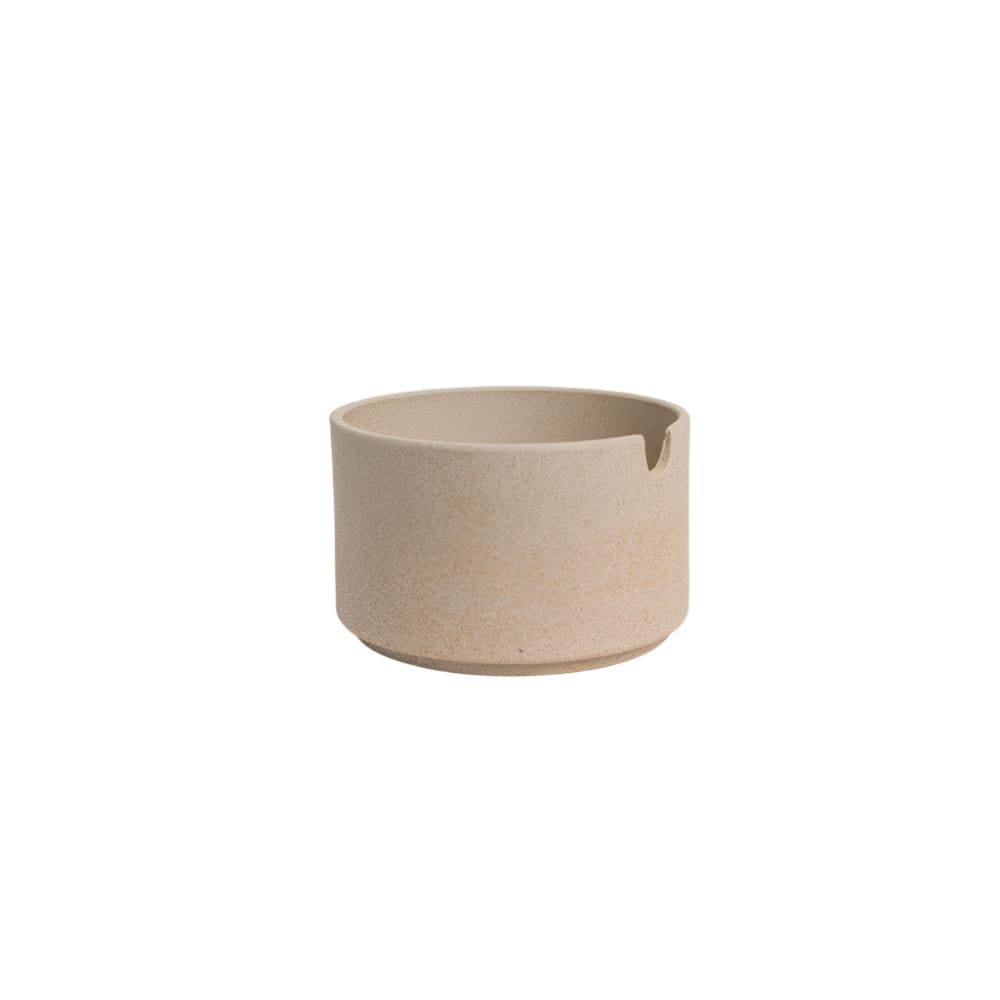
The composition blends porcelain and clay, giving it an unusual natural texture to the touch. The resulting appearance is ultra-matte and contrasts with the food placed on it.
The common diameter
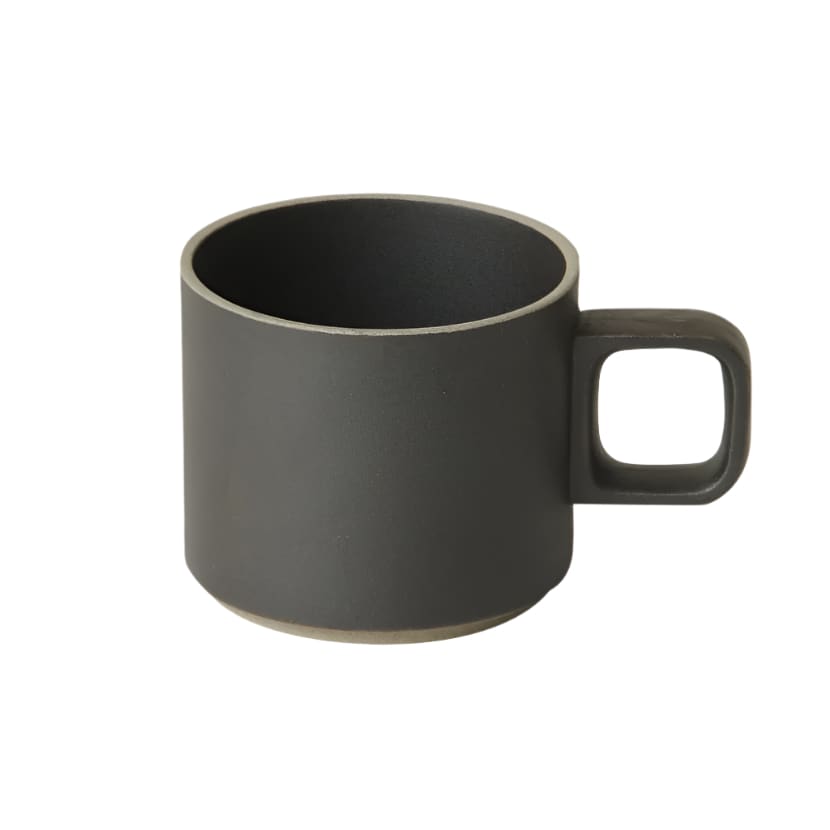
Mug, ramekin, milk jug, and sugar pot all share the same diameter of 85 mm. Identical sizes that allow them to be stacked stably.
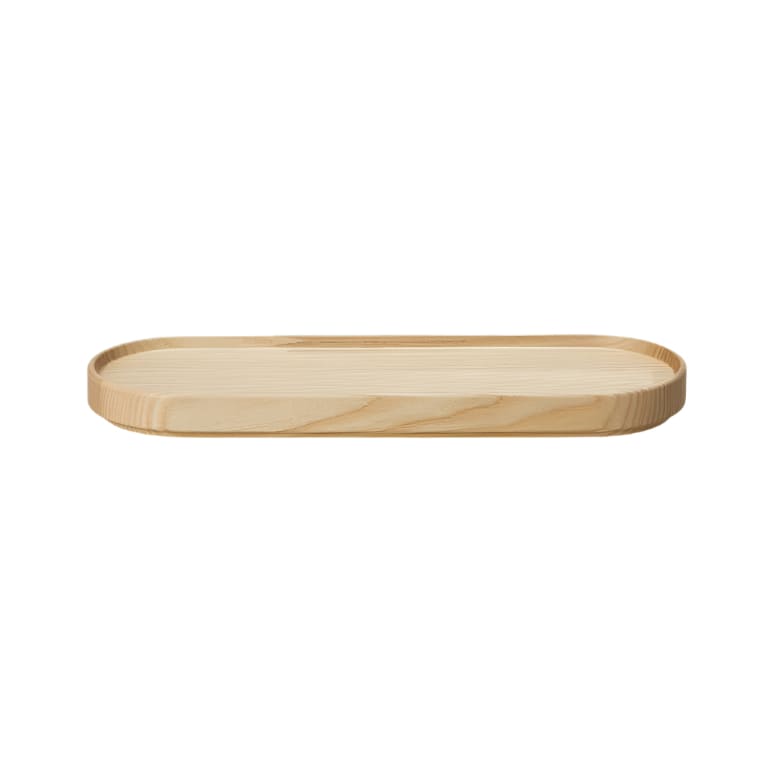
The tray becomes a lid
The wooden plates and trays are placed on the containers and serve as lids. Each of the two trays holds three 85 mm elements.
Jubako inspiration
The traditional multi-level lacquered boxes dictated the logic of the collection. That’s where the identical sizes and compact storage come from.
Hand stamping
Each piece passes through the hands of several artisans during its production, then is hand-stamped at the end of the process.
Oven variations
The colors of the porcelain change depending on the position of the piece in the kiln during firing. These variations are natural: each piece is slightly different.