






KINTO
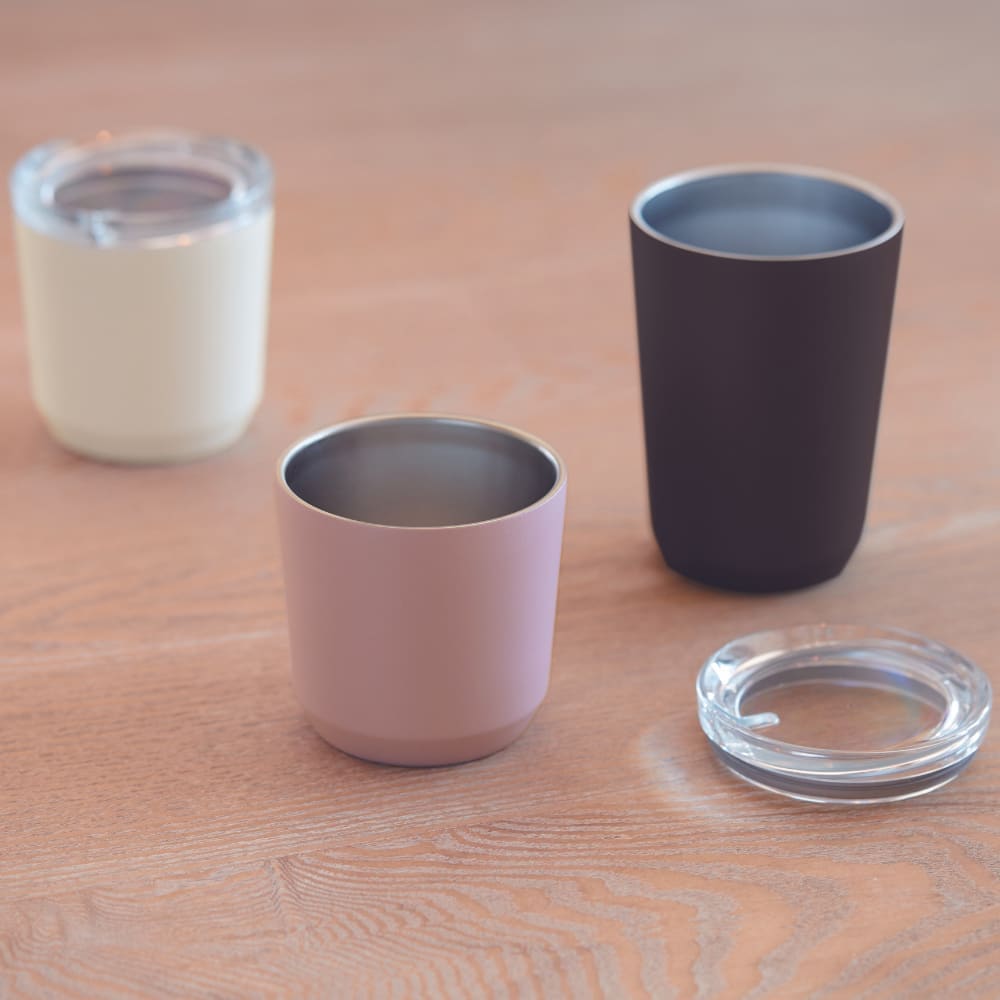
KINTO designs objects for drinking, and it changes everything. A glass teapot where you can watch the tea infuse, a double-walled tumbler that keeps coffee hot without burning your fingers, a mug with a thin rim. A Japanese company born in 1972 in the Shiga Prefecture, which views a drink as a moment in time, not just a hasty gulp.
Filters
10 products
KINTO
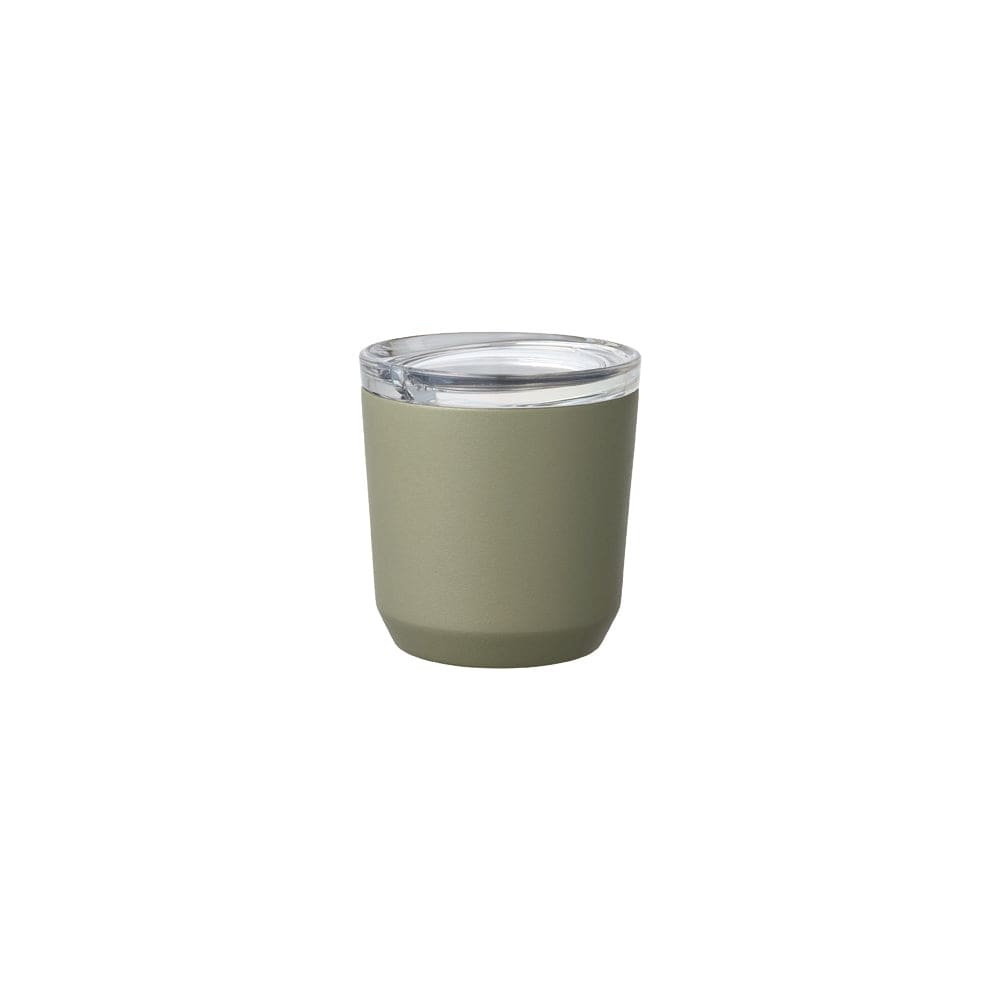
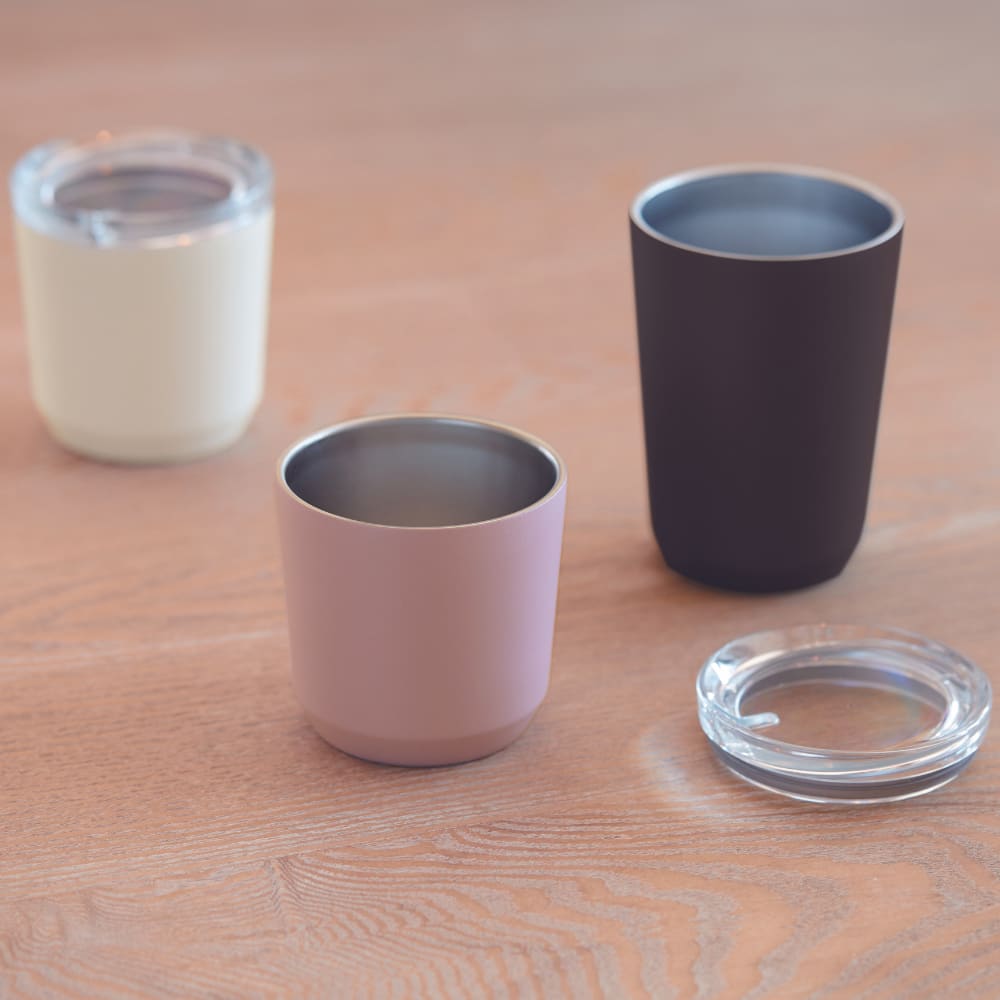
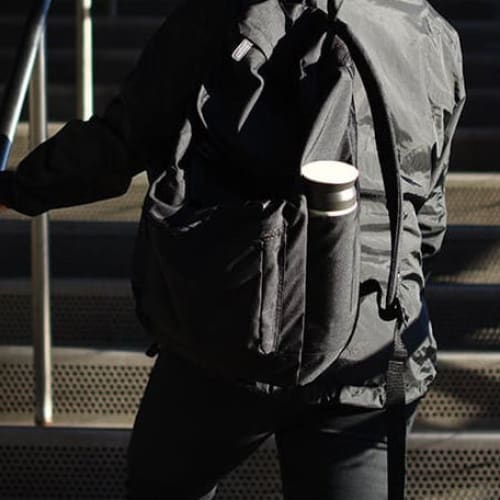
KINTO TO GO TUMBLER insulated cup 240ml Khaki
Sale price$50.00 USD
KINTO
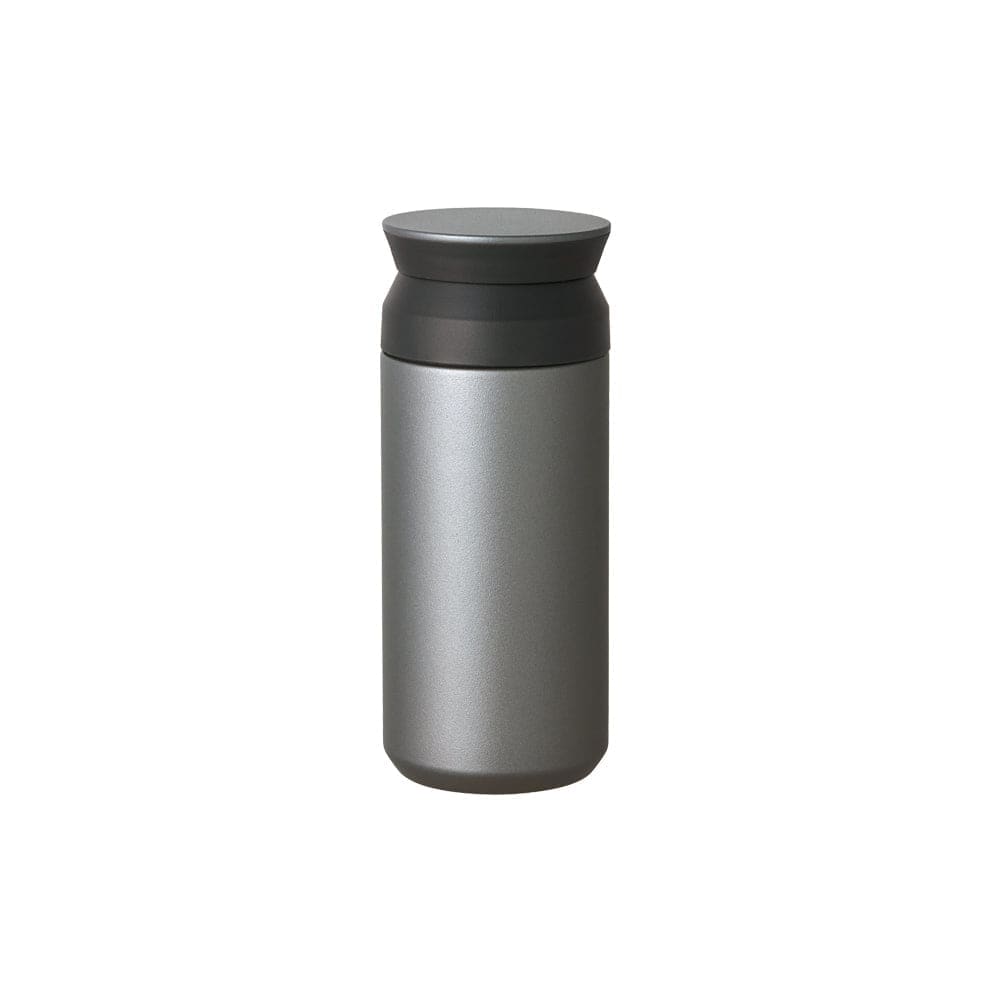
Water bottle - TRAVEL TUMBLER - 350ml Silver
Sale price$43.00 USD
KINTO
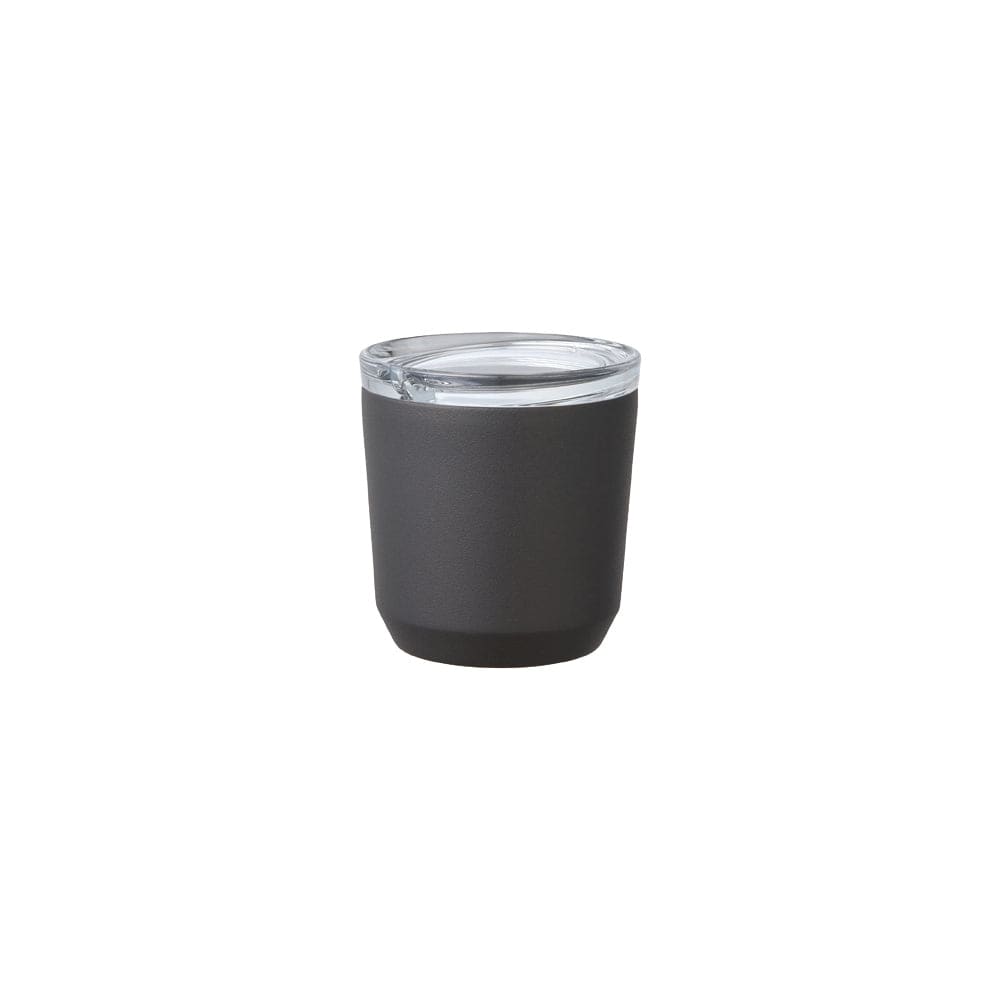
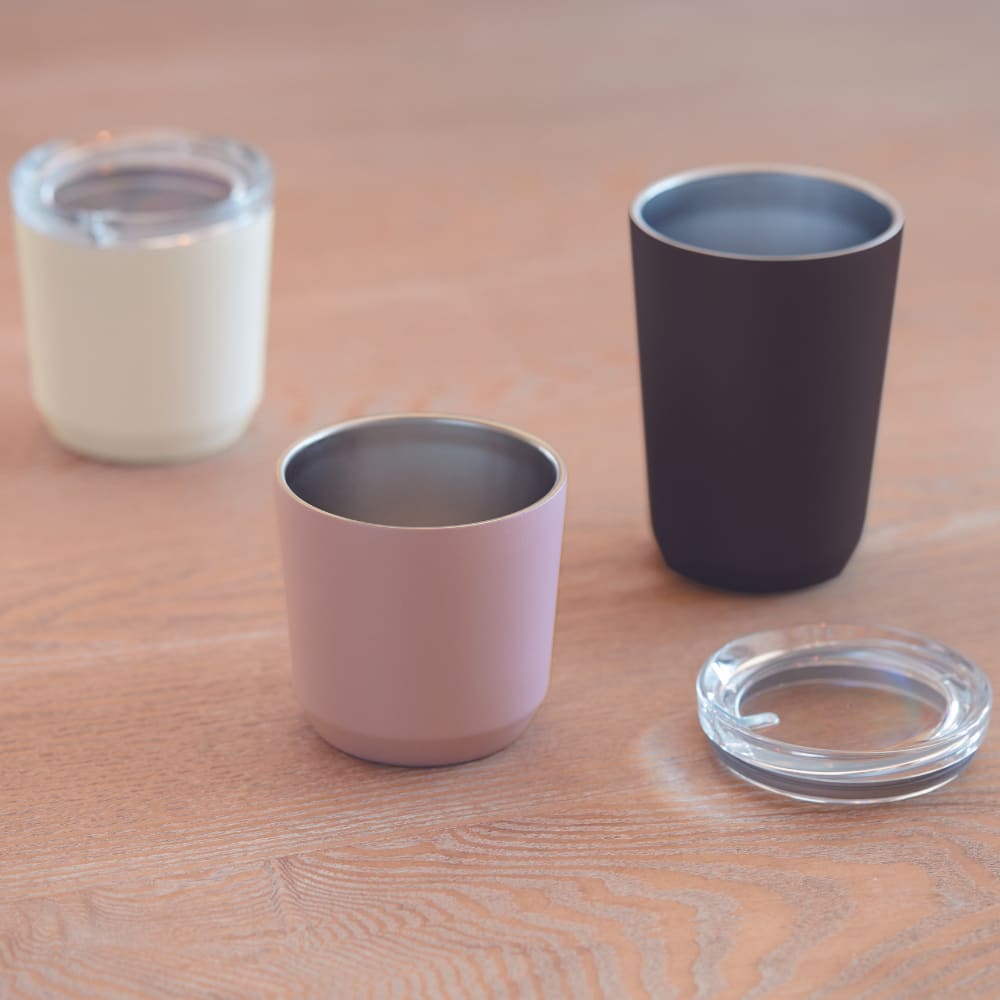
KINTO TO GO TUMBLER insulated cup 240ml Black
Sale price$50.00 USD
KINTO
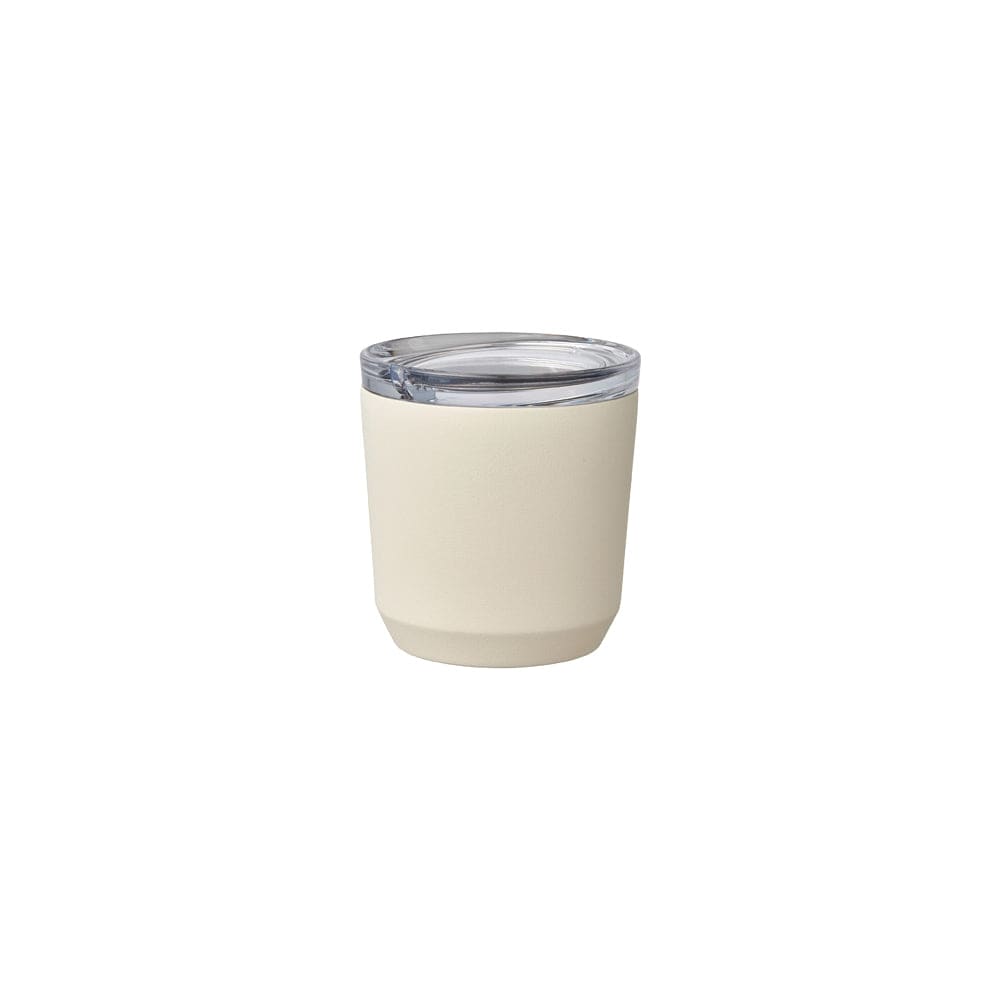
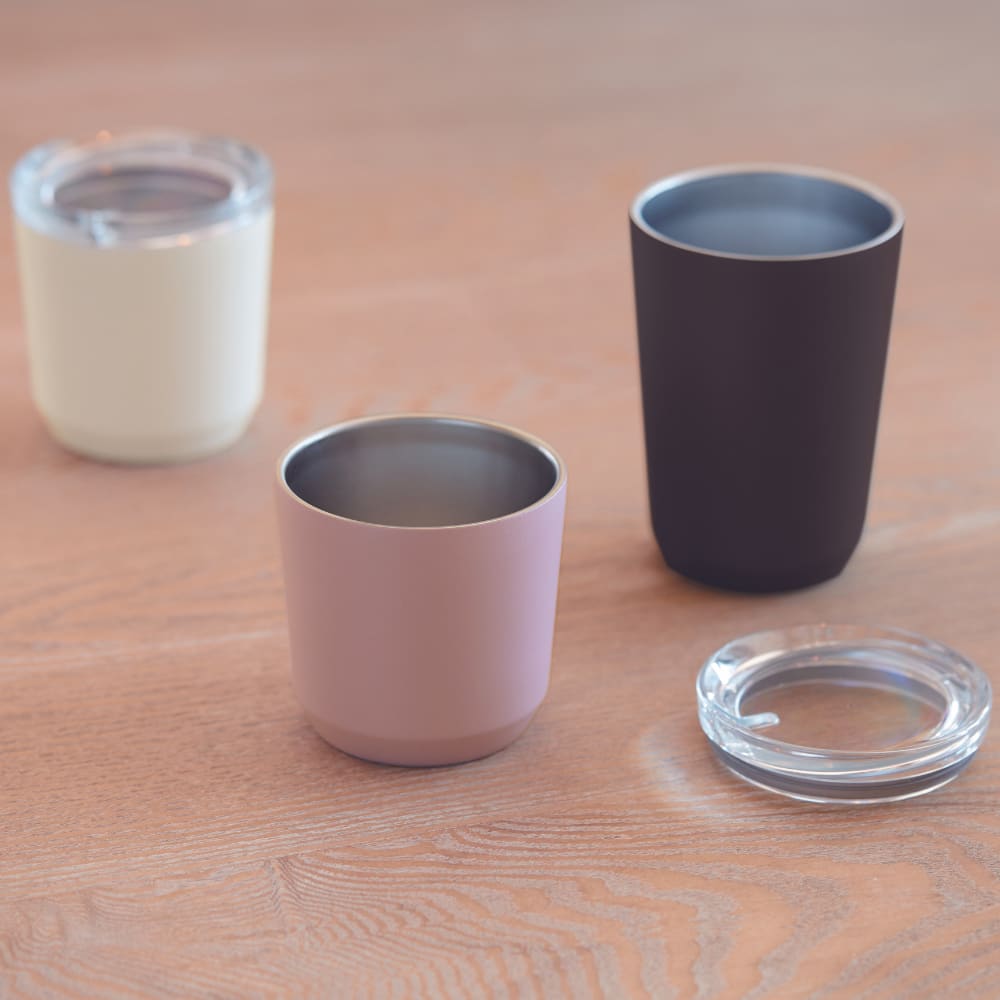
KINTO TO GO TUMBLER insulated cup 240ml White
Sale price$50.00 USD
KINTO
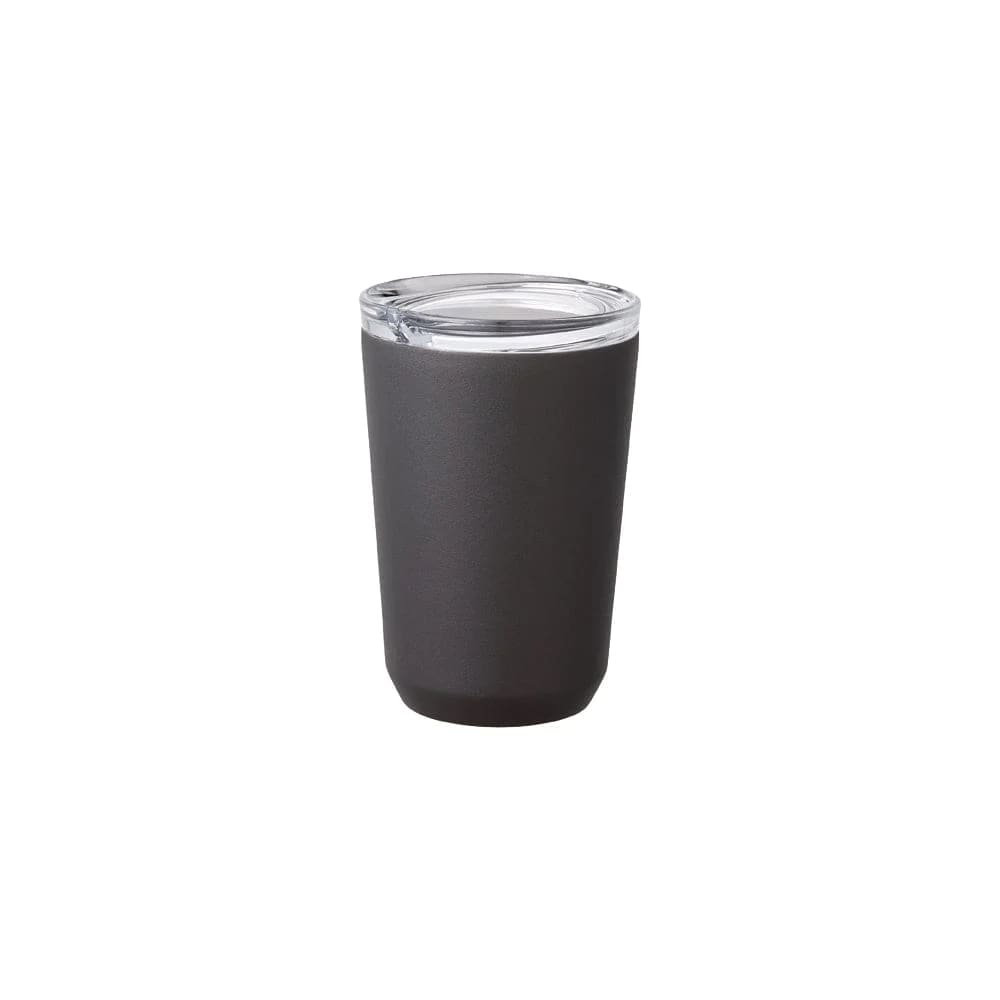
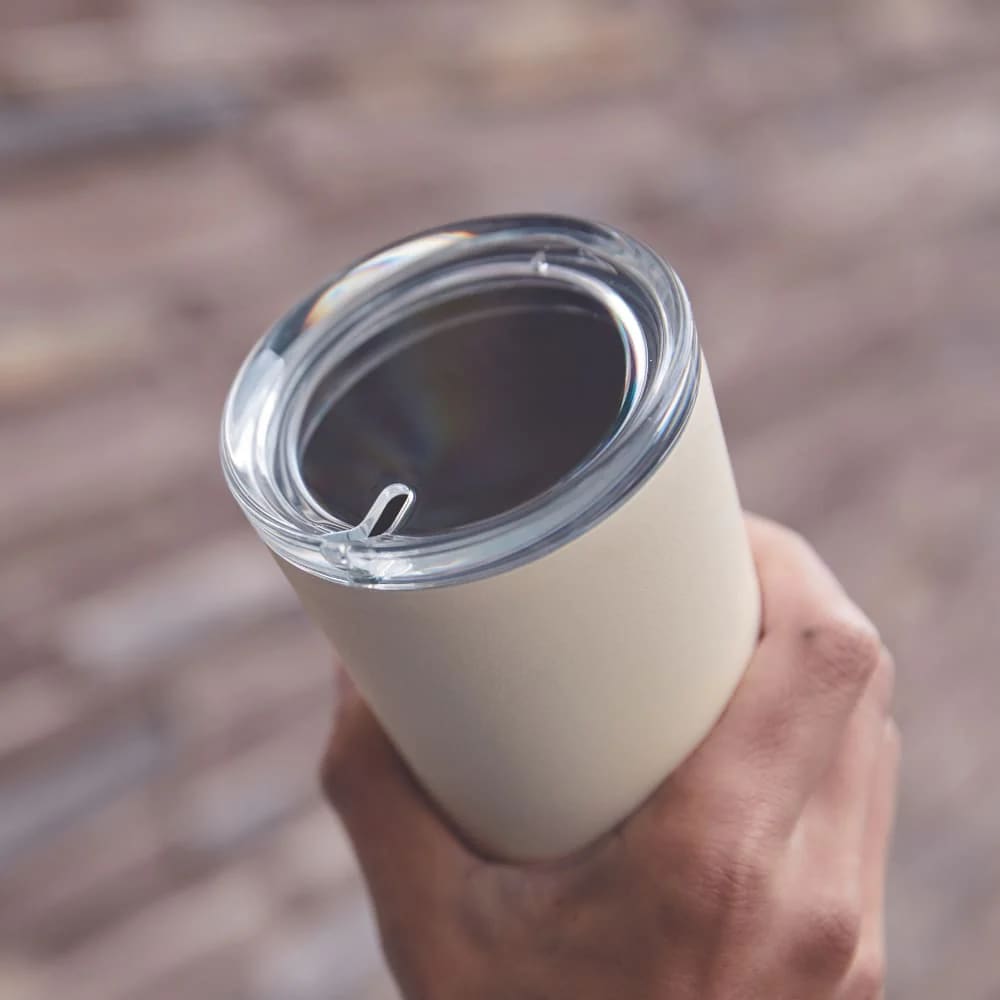
Insulated tumbler with lid KINTO TO GO TUMBLER 360ml Black
Sale price$53.00 USD

KINTO
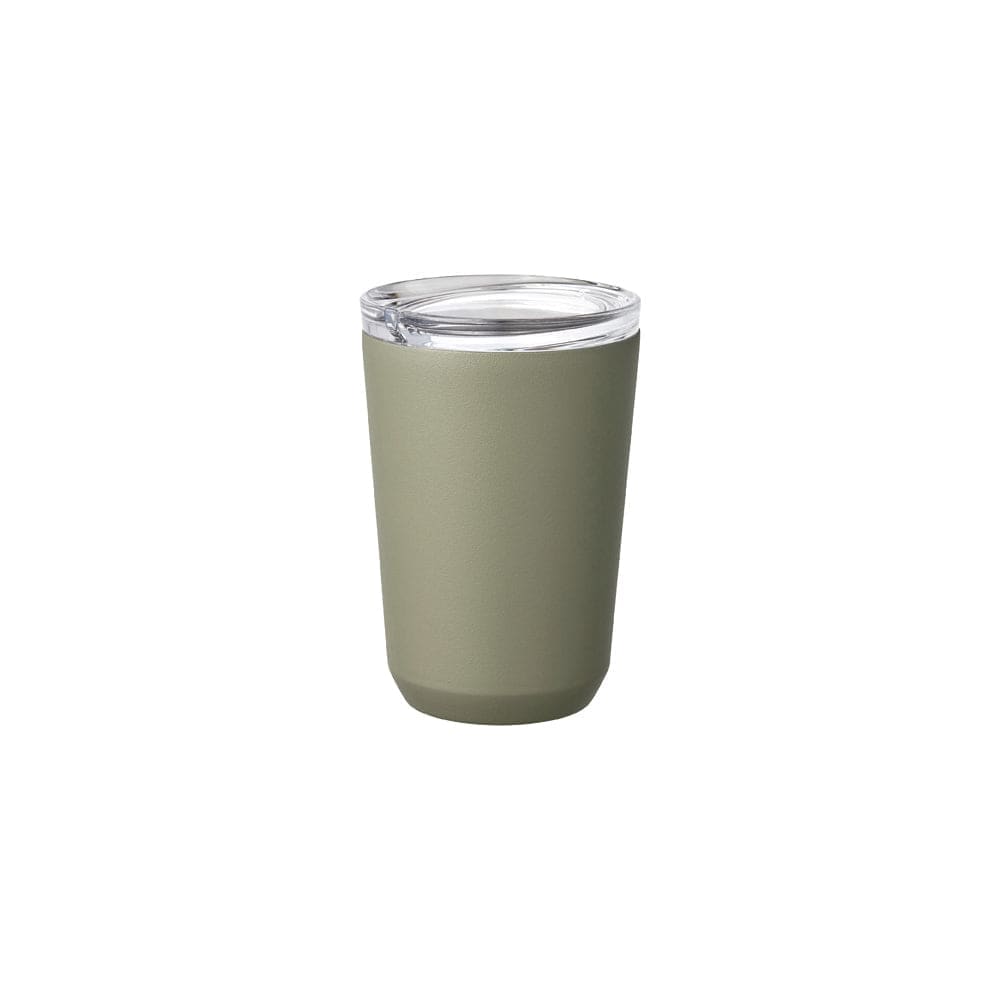
Insulated tumbler with lid KINTO TO GO TUMBLER 360ml Khaki
Sale price$53.00 USD

KINTO
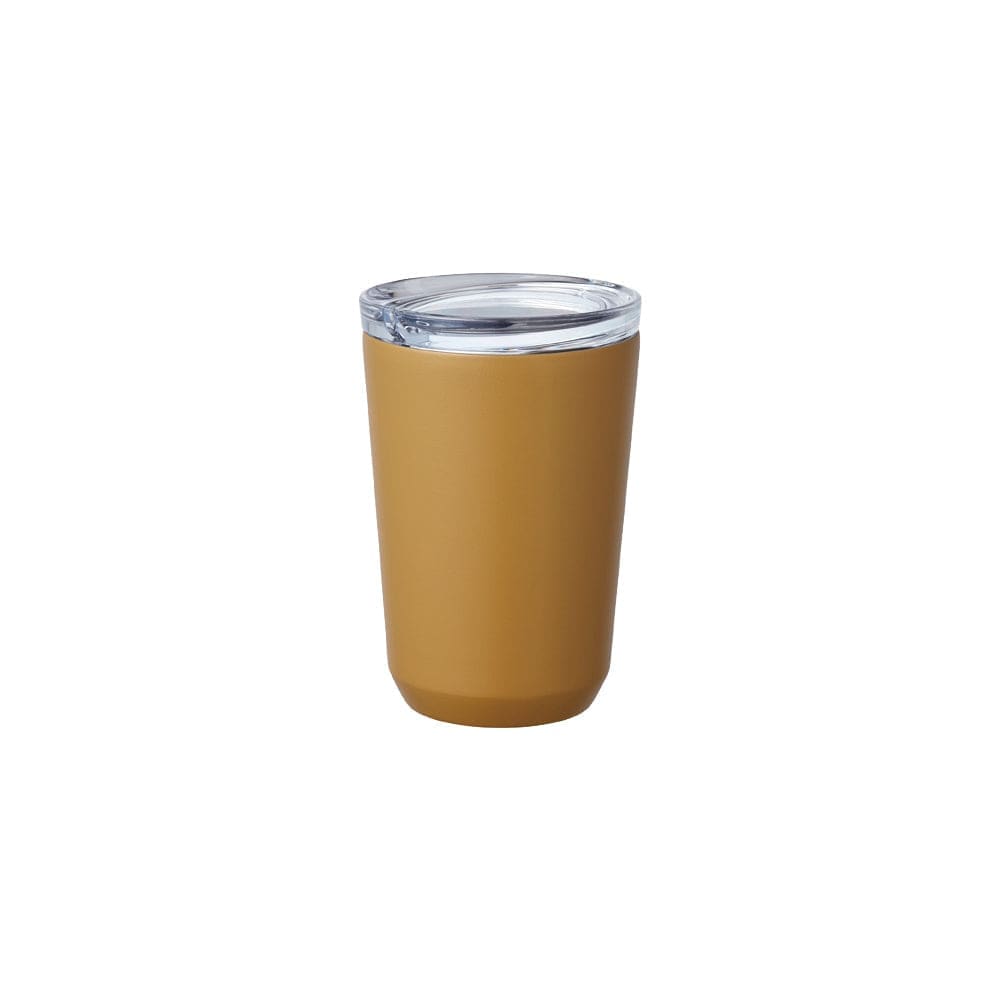
Insulated tumbler with lid KINTO TO GO TUMBLER 360ml Coyote
Sale price$53.00 USD
KINTO
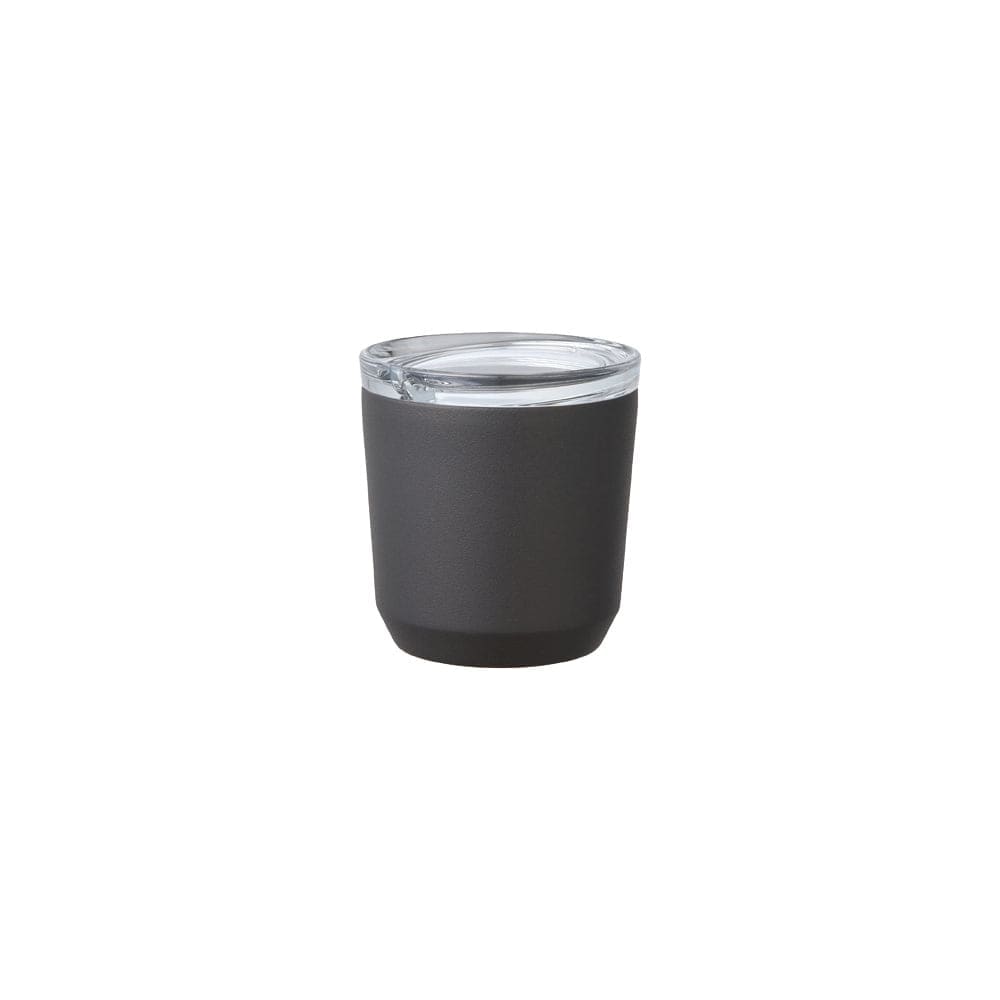
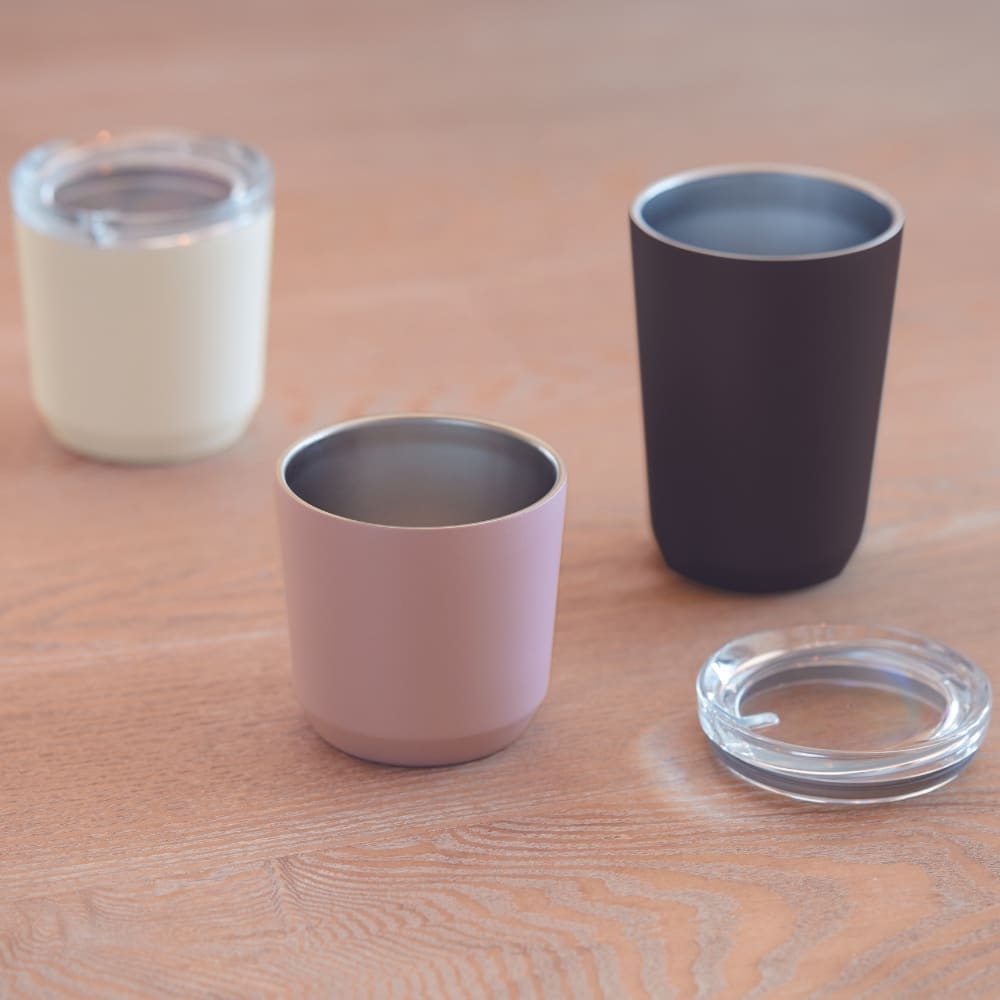
KINTO TO GO TUMBLER 240ml Insulated Cup with Lid Black
Sale price$50.00 USD
KINTO
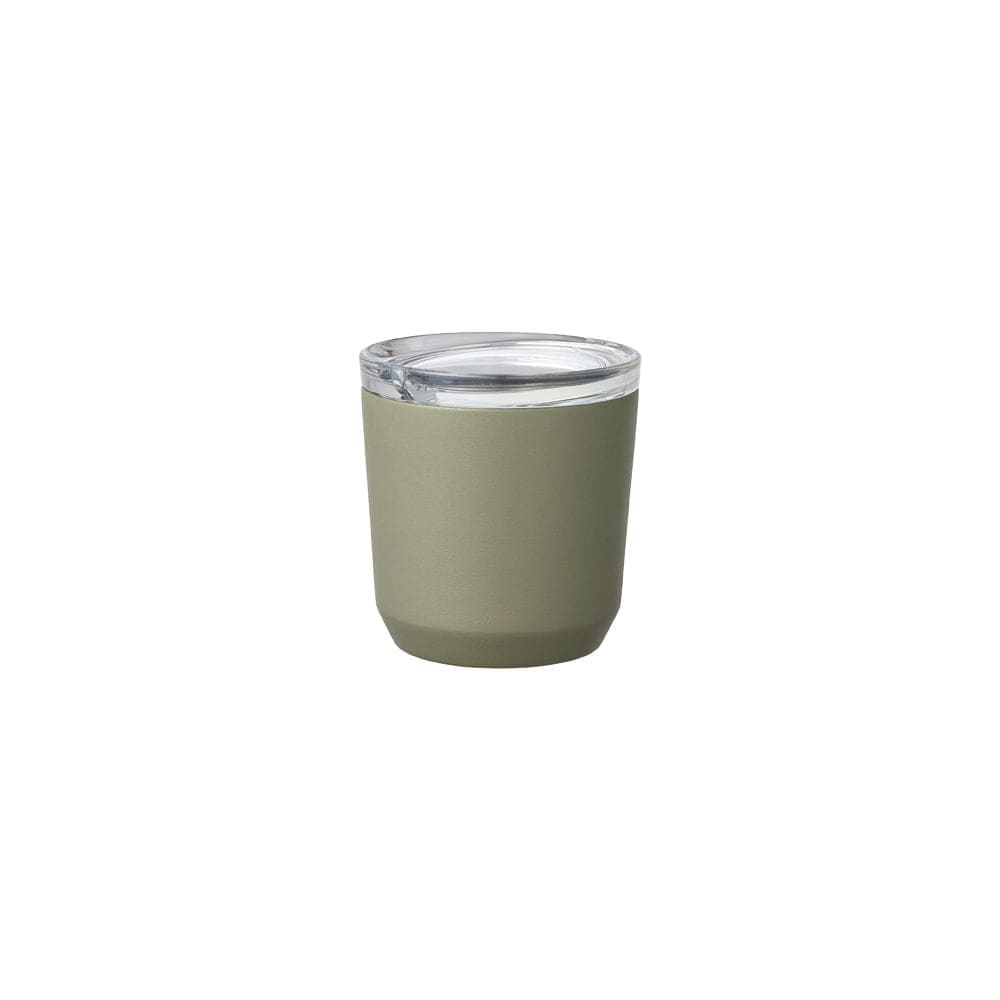
KINTO TO GO TUMBLER 240ml Insulated Cup with Lid Khaki
Sale price$50.00 USD

KINTO
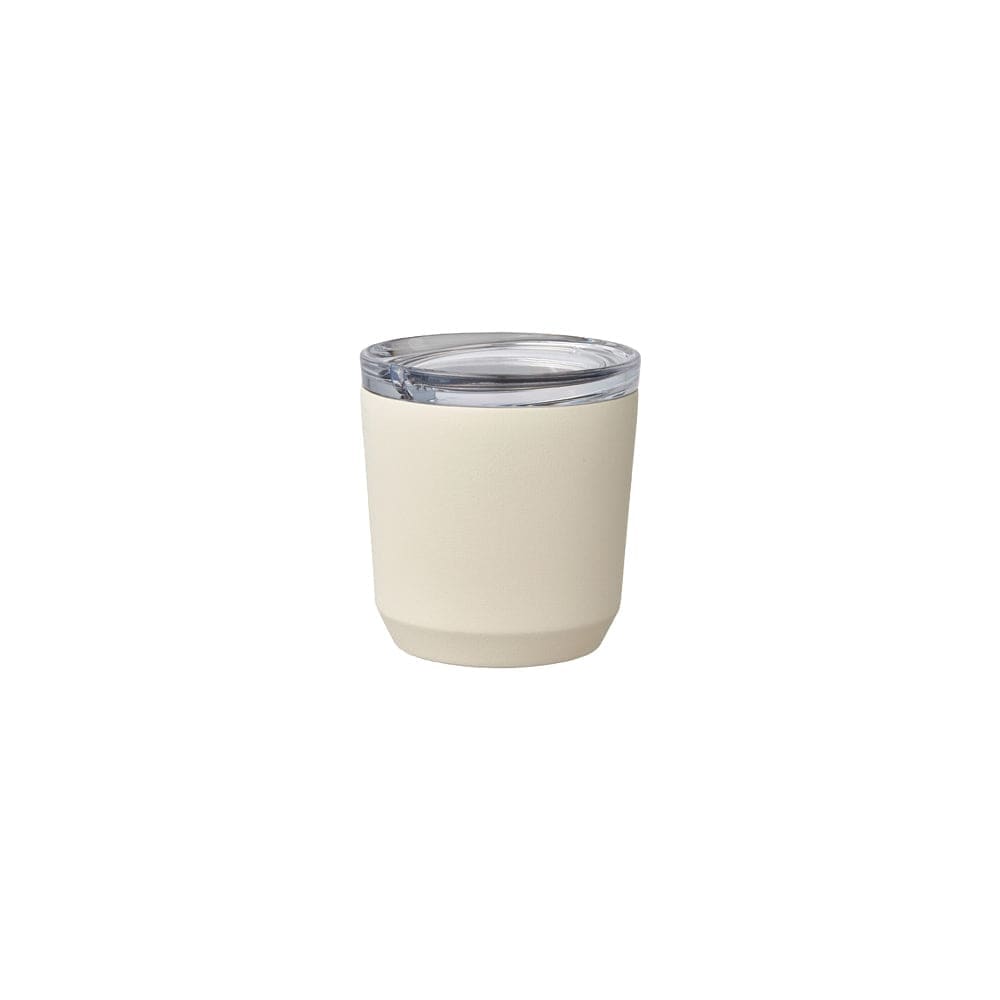
KINTO TO GO TUMBLER 240ml Insulated Cup with Lid White
Sale price$50.00 USD