





Metal nib - Copper
Frequently bought together
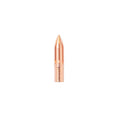
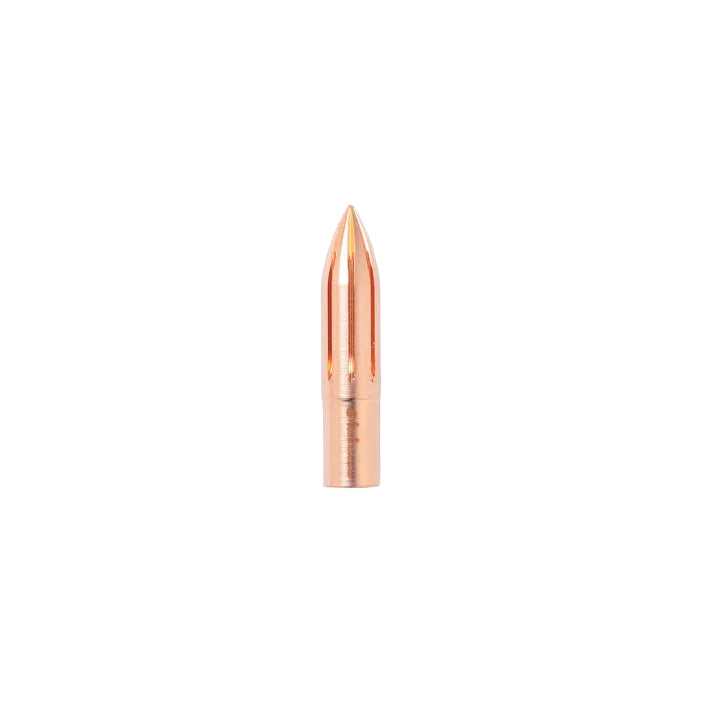
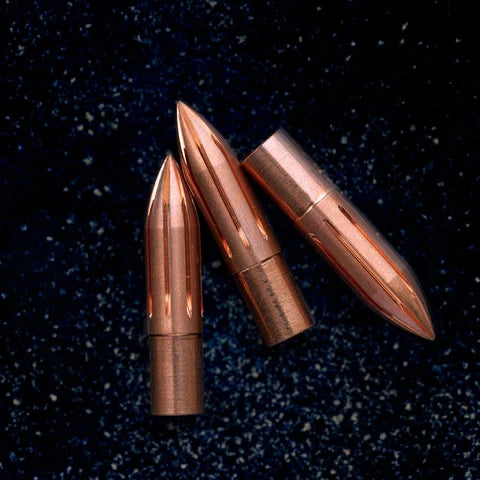
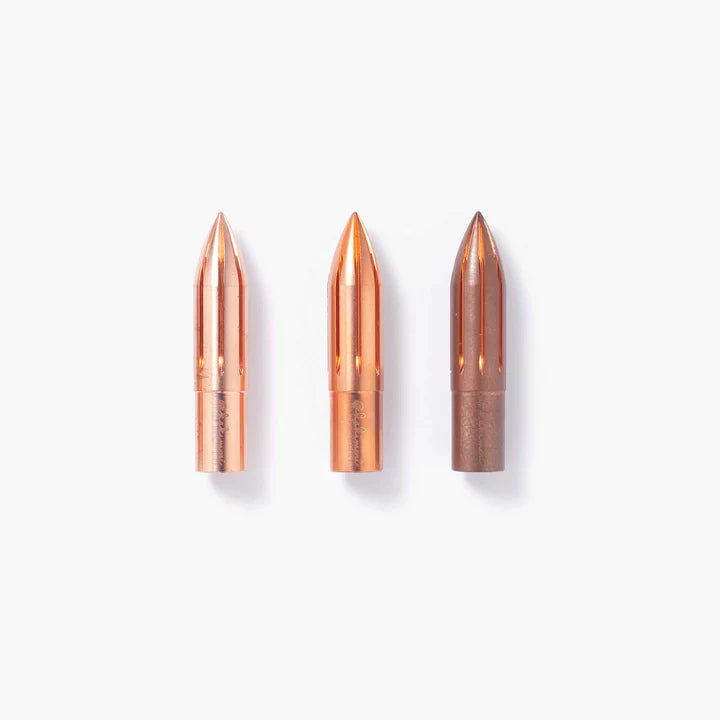
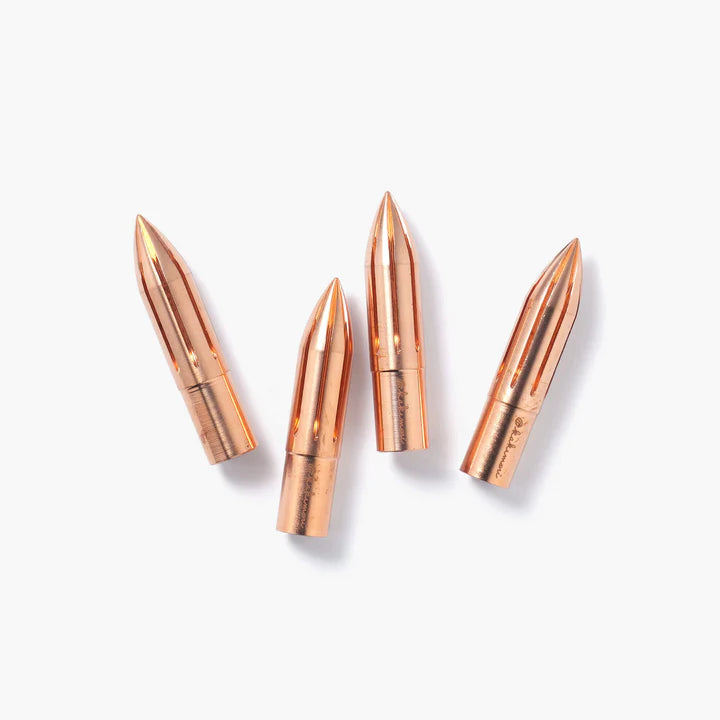
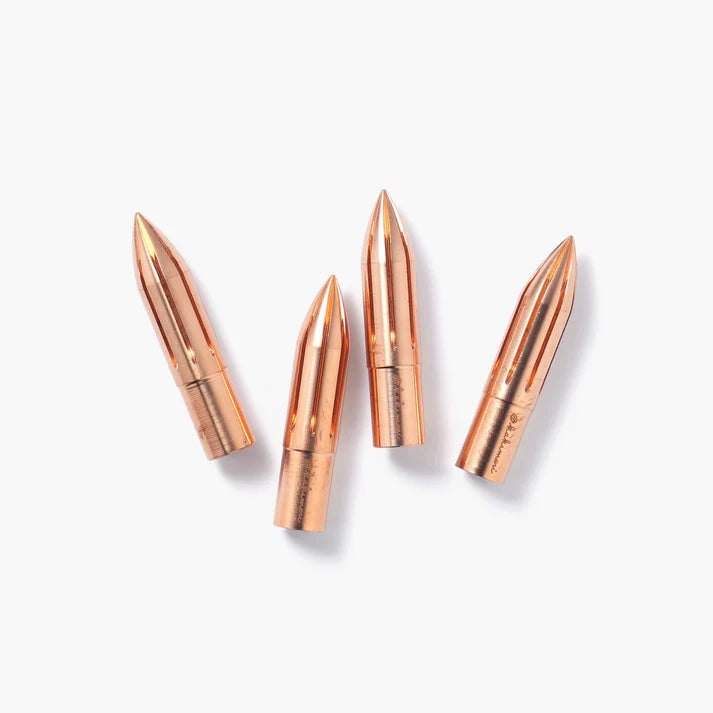
Copper dip pen nib designed by Yuto Yamazaki (Alloy studio, Tokyo), dimensions 30 × 6 mm. Rounded, carefully polished tip, variable line thickness depending on the angle of inclination, compatible with most pen holders on the market.


Copper metal nib
- Copper develops a beautiful patina and ages gracefully
- Remarkably smooth metal nib
- Adjust the angle to vary line thickness
- Create expressive lines, including brush strokes
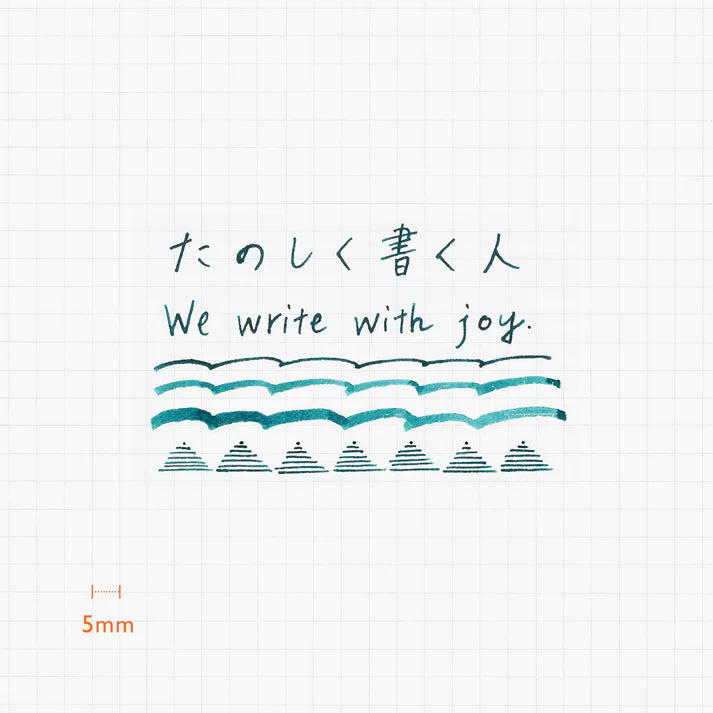
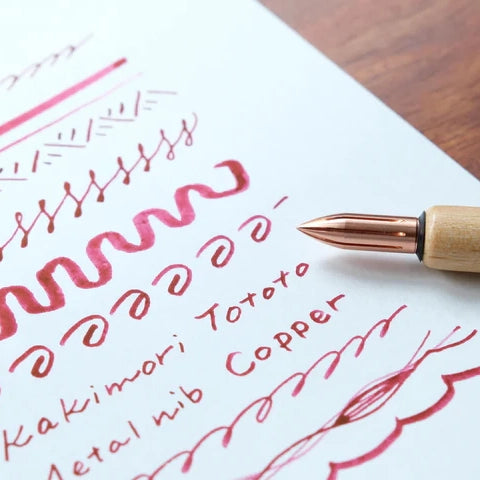
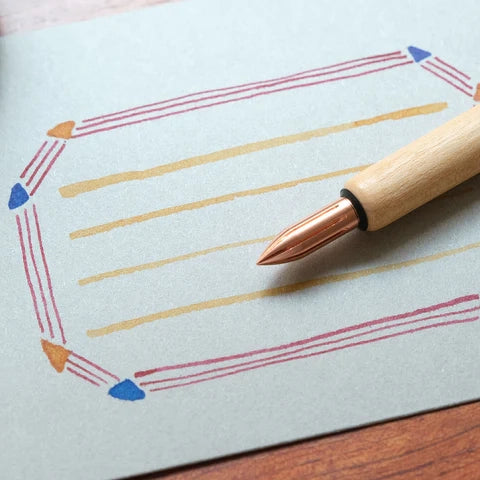
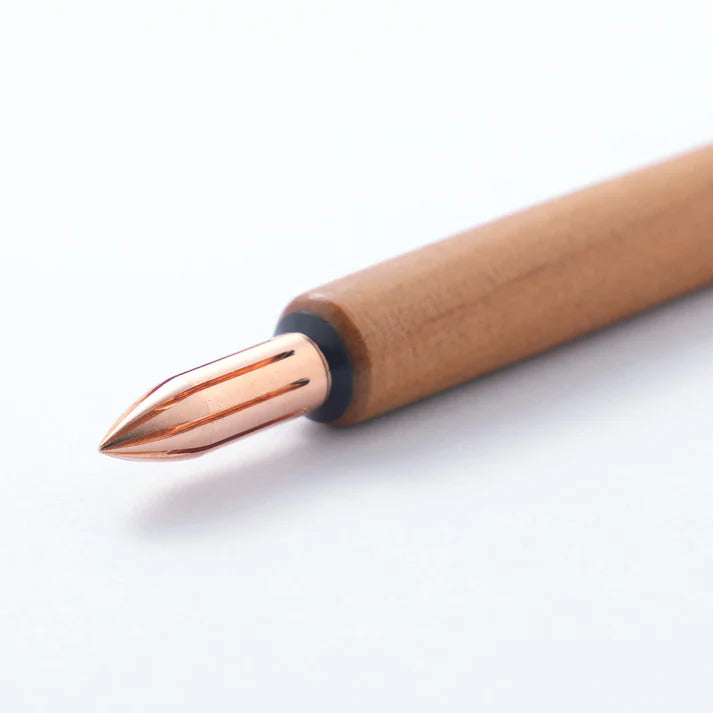
The copper nib was born from the desire to create a durable and practical dip pen nib. Enjoy a variety of line thicknesses, from fine to broad, by tilting the nib at different angles. Compatible with most nib holders, including those from our range.
*Nib holder sold separately.
The nib was designed by Yuto Yamazaki of the Alloy design studio, based in Kuramae. The tip was carefully rounded and polished, offering an exceptionally smooth and surprising writing experience. Perfected after many iterations, this innovative nib is one of a kind.
Ideal for artwork, the nib can be used at different angles to paint like a brush or create fine, detailed lines.
Material Properties
Copper naturally oxidizes when exposed to air. Your new nib may show a reddish tint or some spots; this is normal and does not affect its performance. Thanks to the metal’s natural softness, the tip gradually rounds with use, producing bolder strokes and smoother writing over time. Enjoy a tool designed to evolve with your personal writing style.
SPECIFICATIONS
- Dimensions: H30 × Ø6 mm
- Weight: 4 g
- Material: copper
- Design: Yuto Yamazaki
- Manufacturer: Alloy Inc.
- Origin: Japan
Also explore: Kakimori, Plumes Kakimori, and Bureau.
Features
- Dimensions
- H30 × Ø6 mm
- Weight
- 4 g
- Material
- Copper
- Color
- Bronze
- Designer
- Yuto Yamazaki
- Origin
- Tokyo, Japan
- Brand since
- 2010
Use & Care
The initial ink flow may be slow due to the nib’s protective coating and will gradually improve after several rinses and ink applications.
The maximum writing angle is 45 degrees.
Insert the nib into the holder with a slight rotation until it is securely in place. To remove it, turn and pull slowly, as a sudden pull may detach the nib assembly.
A strong impact on this precision nib can compromise the ink flow.
To prevent dried ink buildup in the grooves, rinse frequently with water during use.
The metal nib is recommended for use with Kakimori and Inkstand inks.
To remove stubborn dried ink, gently scrub with a soft toothbrush in water.
If you use detergent, choose a neutral product. Avoid alkaline detergents, which can damage the surface.
A piece of copper designed to last
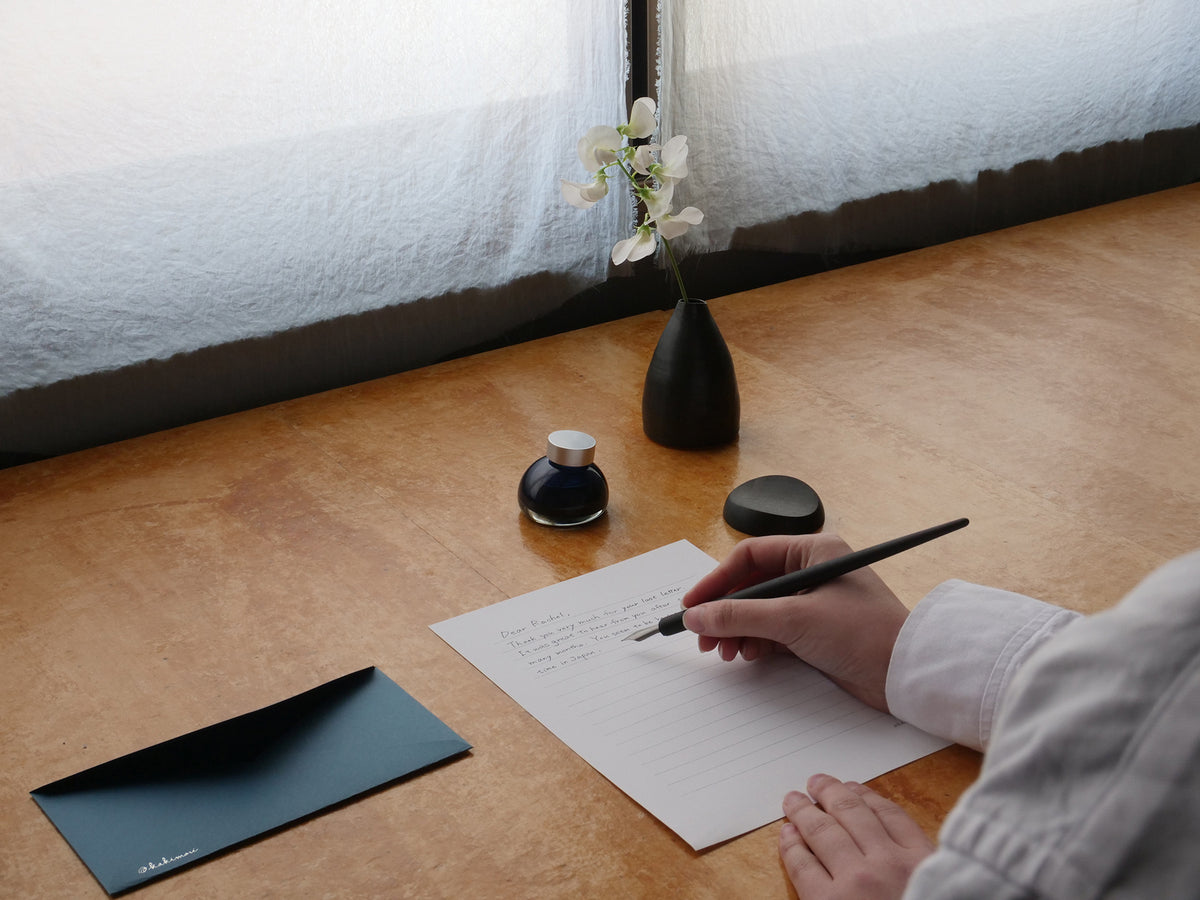
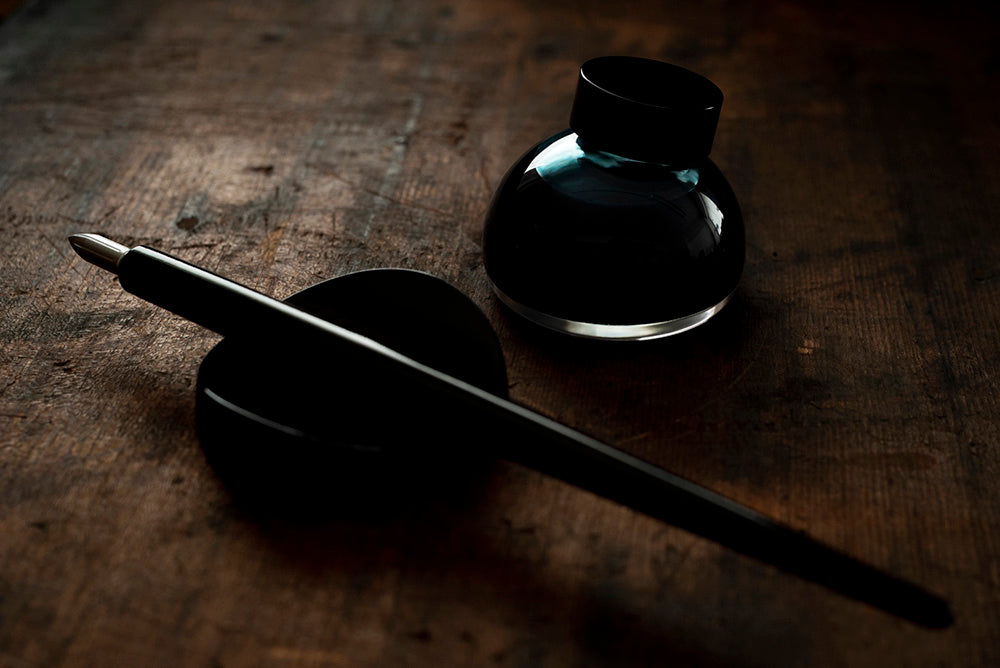
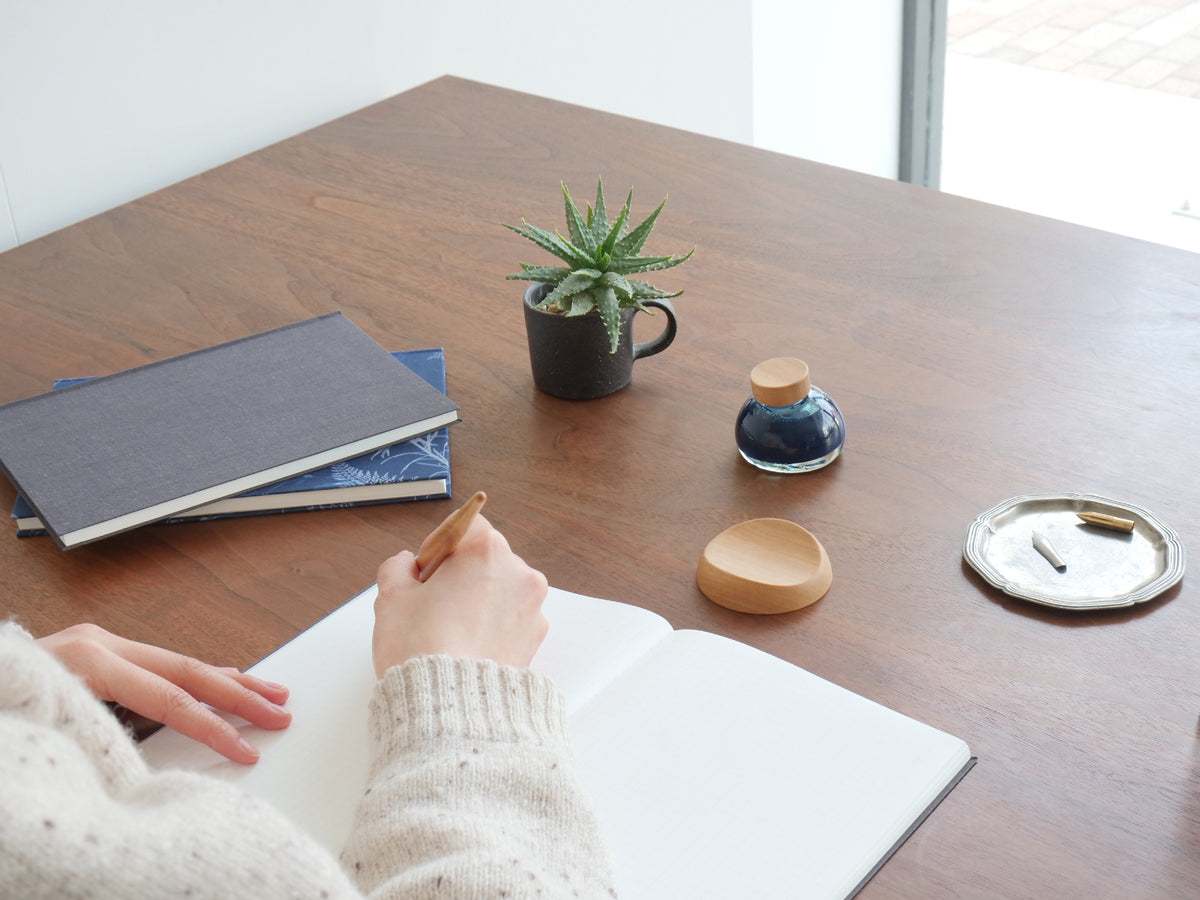
The copper nib was born from a simple desire: to create a durable and practical dip pen nib. Yuto Yamazaki, from the Alloy design studio based in Kuramae, designed it. The metal feels remarkably smooth to the touch, and the angle at which you hold it allows you to switch from fine to broad strokes. Over time, the copper develops a beautiful patina and ages gracefully, so the nib eventually bears the mark of its user. It fits most pen holders, which are sold separately.
THE KAKIMORI COPPER PEN
What makes this pen valuable
A dip pen
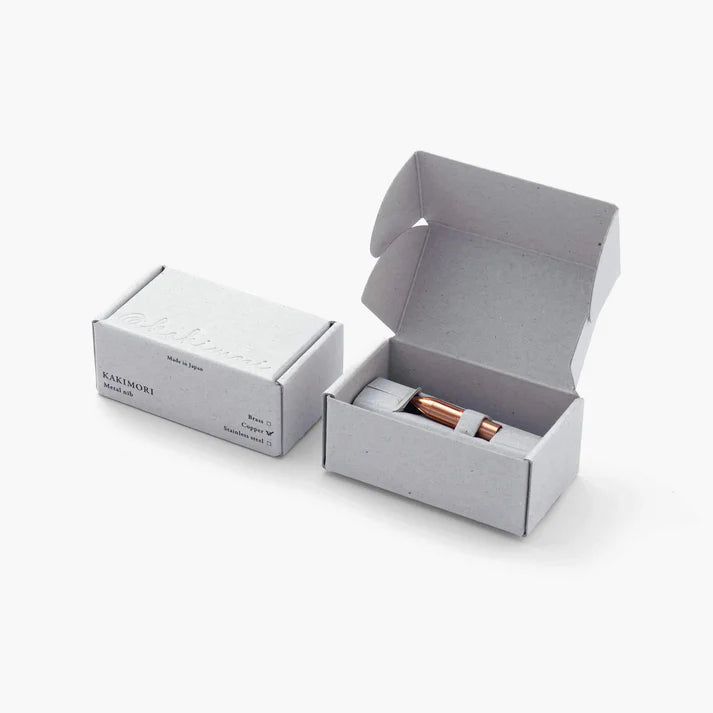
It is a single metal piece that fits onto a dip pen and is dipped into ink. It is compatible with most dip pens, including those from our range, sold separately.
Designed to last
It was born from the desire to create a dip pen that is both durable and practical, for frequent writing and not just for special occasions.
Copper develops a patina
Copper develops a beautiful patina and ages gracefully. The nib thus changes appearance over the months, reflecting its use.
A smooth tip
The metal is remarkably smooth, so the contact with the paper remains soft and continuous from the beginning to the end of a line.
The angle makes the line
By tilting the pen, the thickness shifts from thin to broad. This creates expressive lines, even achieving effects close to brush strokes.
The Alloy studio in Kuramae
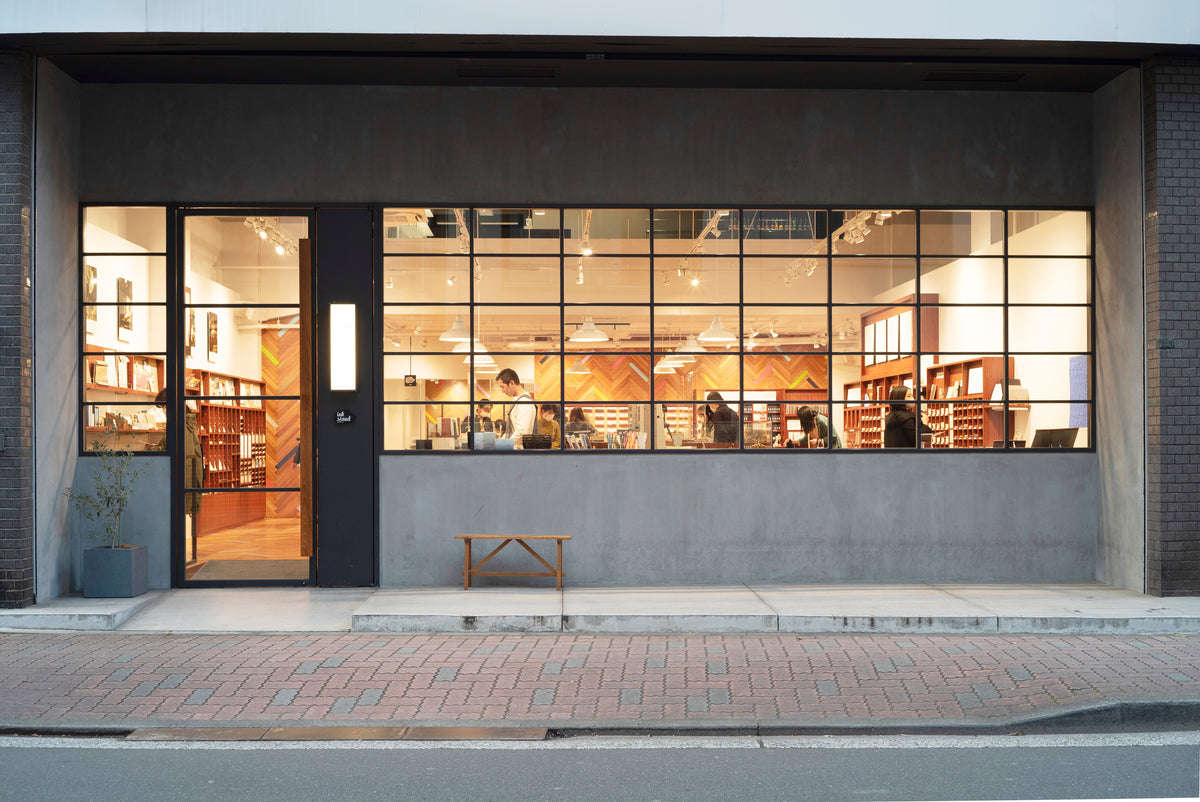
The pen was designed by Yuto Yamazaki from the design studio Alloy, based in Kuramae, the workshop district of Tokyo where Kakimori is located.