







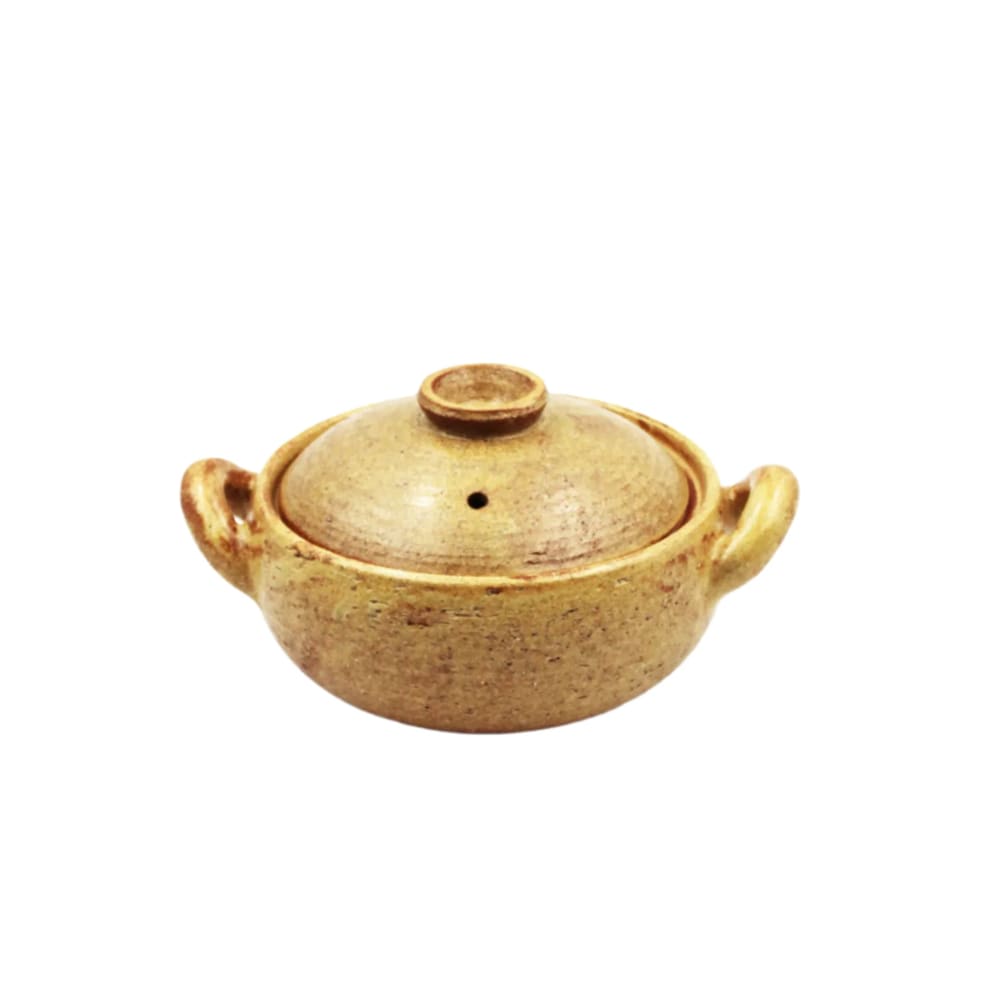
Earthenware pot for soups and stews - 1/2 persons
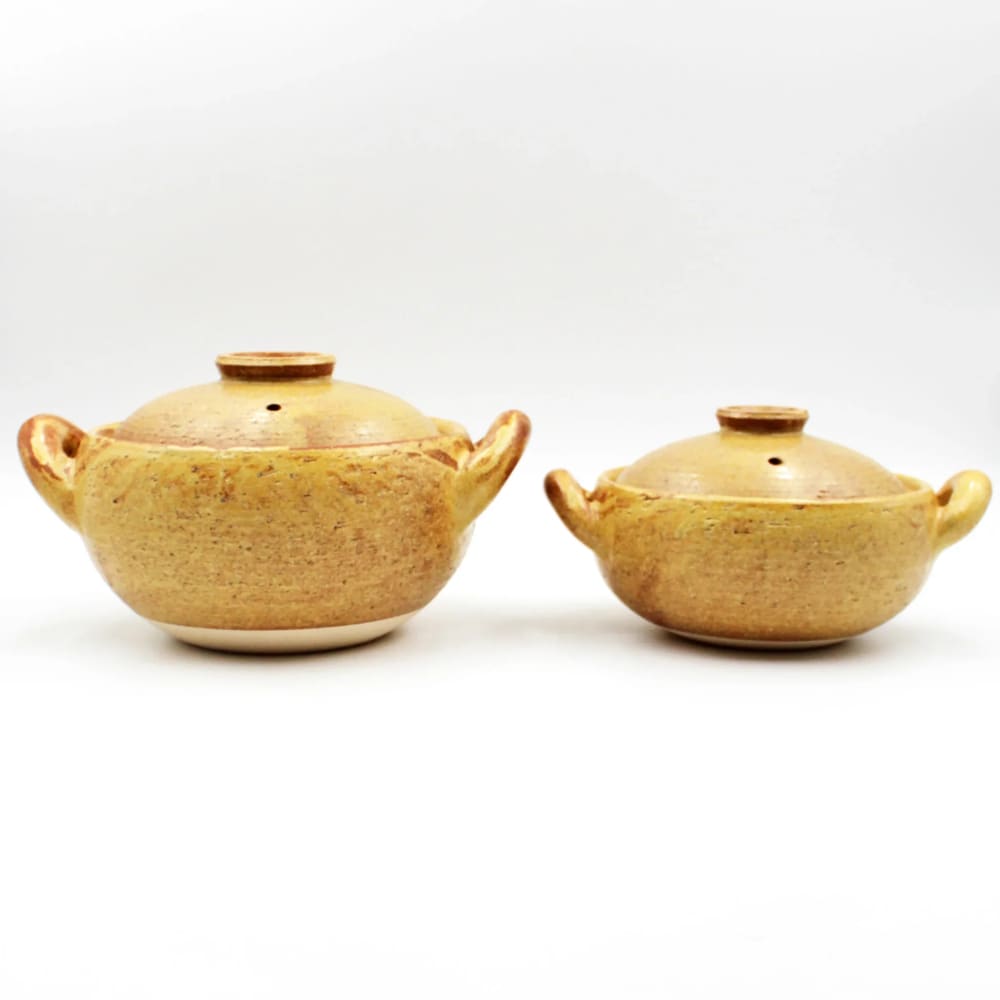
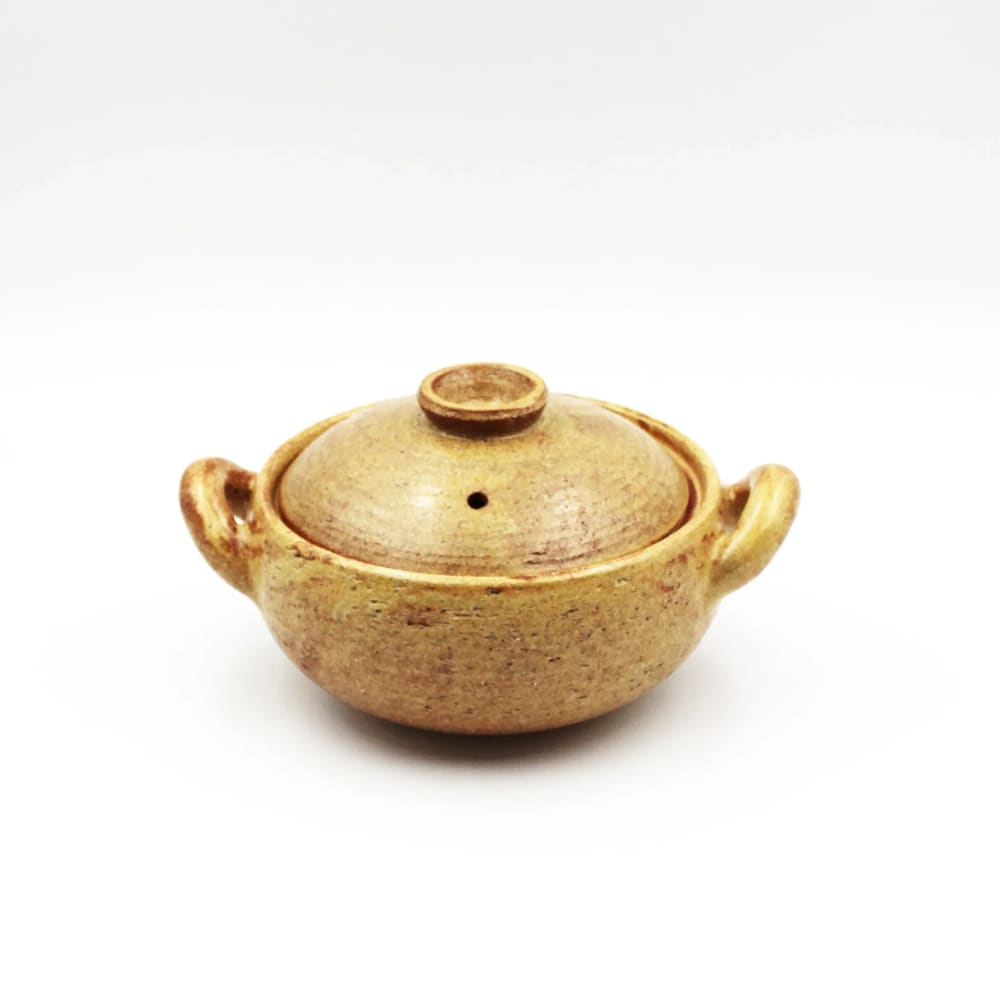
KAMADOSAN earthenware pot for soups and stews, size for 1 to 2 people, 19 cm diameter, made in Iga, Japan. Very thick walls for gentle heat distribution, compatible with cooking without liquid for searing or roasting.


TERRACOTTA POT FOR SOUPS AND STEWS - 1/2 PEOPLE
Flavorful soup and stew for serving at the table
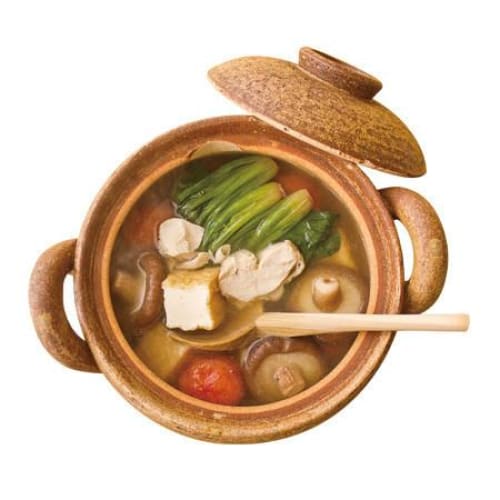
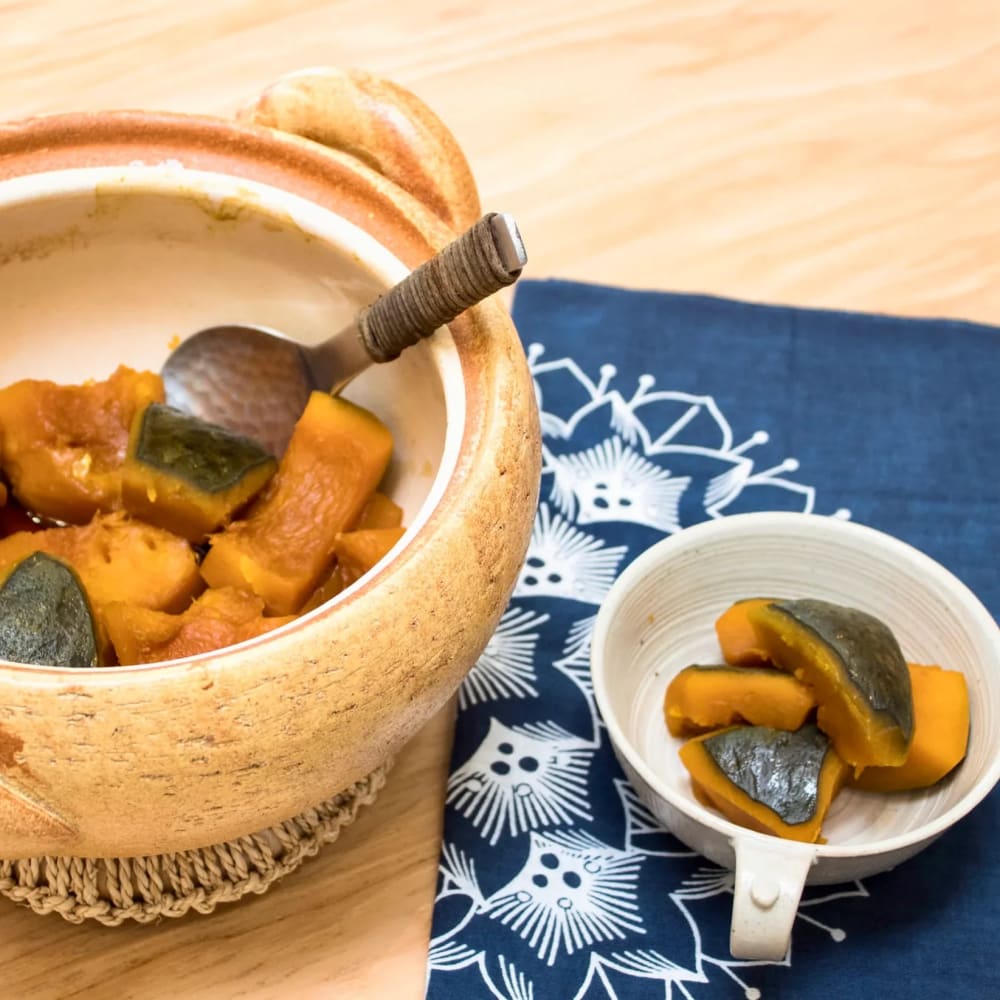
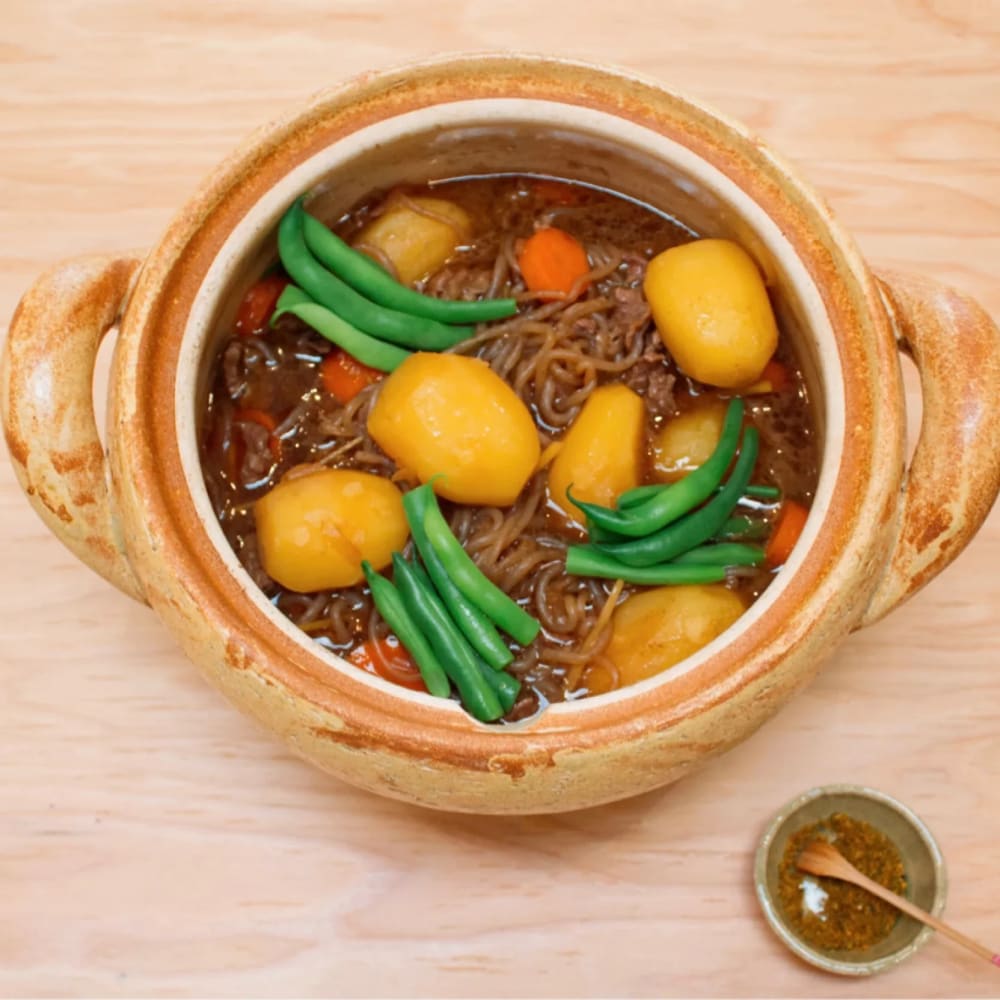
With its beautiful curves and texture, the Miso-shiru Nabe is designed for everyday preparation of soups and stews. Its practical body is perfect for quickly serving soups at the table. In addition, thanks to its very thick body, the Miso-Shiru Nabe is ideal for slow-cooking dishes such as stews, braised meats, or even baked beans. This donabe can be heated without liquid inside, so you can also sauté or roast ingredients in it. The gentle, even heat distribution of the Miso-Shiru Nabe allows ingredients to slowly develop umami (savory flavors) without breaking down.
The Miso-Shiru Nabe builds up heat and stays hot for a long time.
Its very thick body gives the Miso-Shiru Nabe an incredibly high heat-retention capacity. Food inside the donabe continues cooking for some time after the heat is turned off and stays hot for a long time. You can bring the hot Miso-Shiru Nabe to the table, and even after 15 minutes, you can enjoy hot soup or stew.
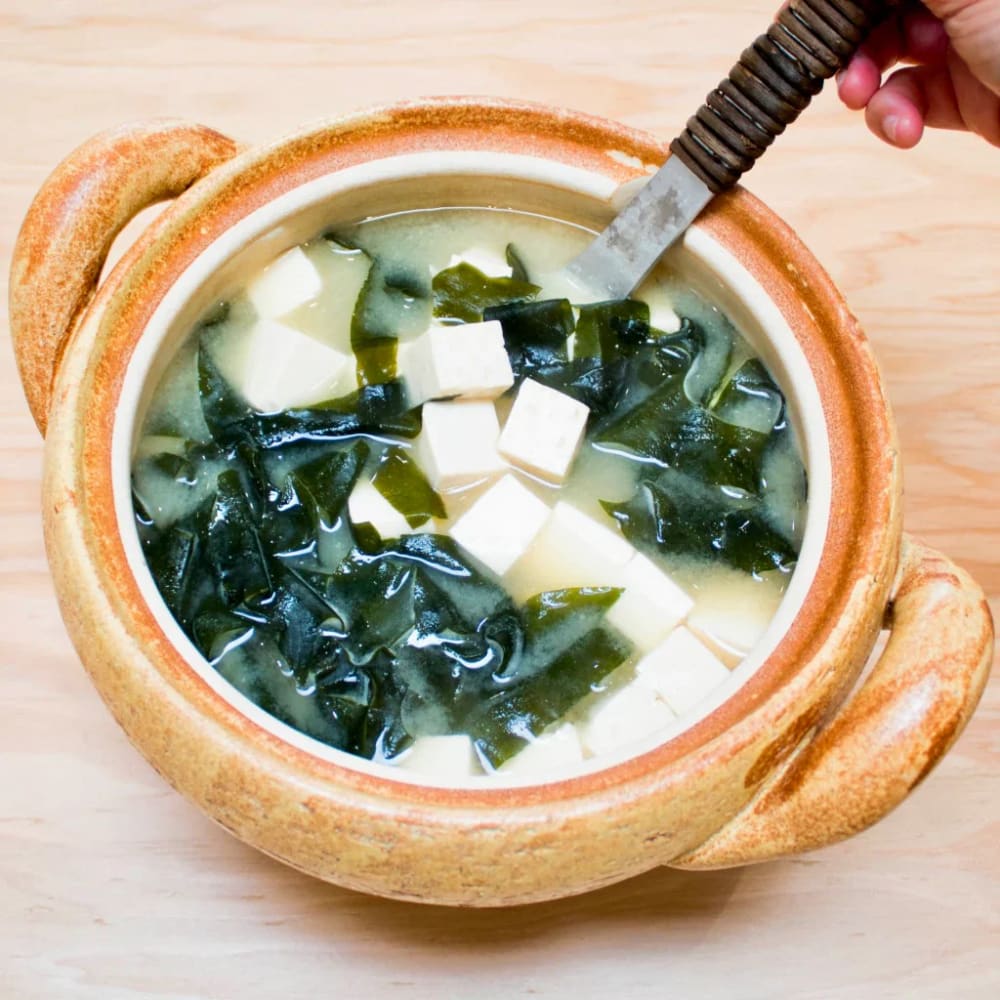
Miso-Shiru Nabe means “miso soup pot”
Rice and miso soup form the heart of a traditional Japanese meal. This donabe was named Miso-Shiru Nabe because it is the ideal tool for cooking and serving something that warms the heart every day.
Design details for more efficient cooking and easier use
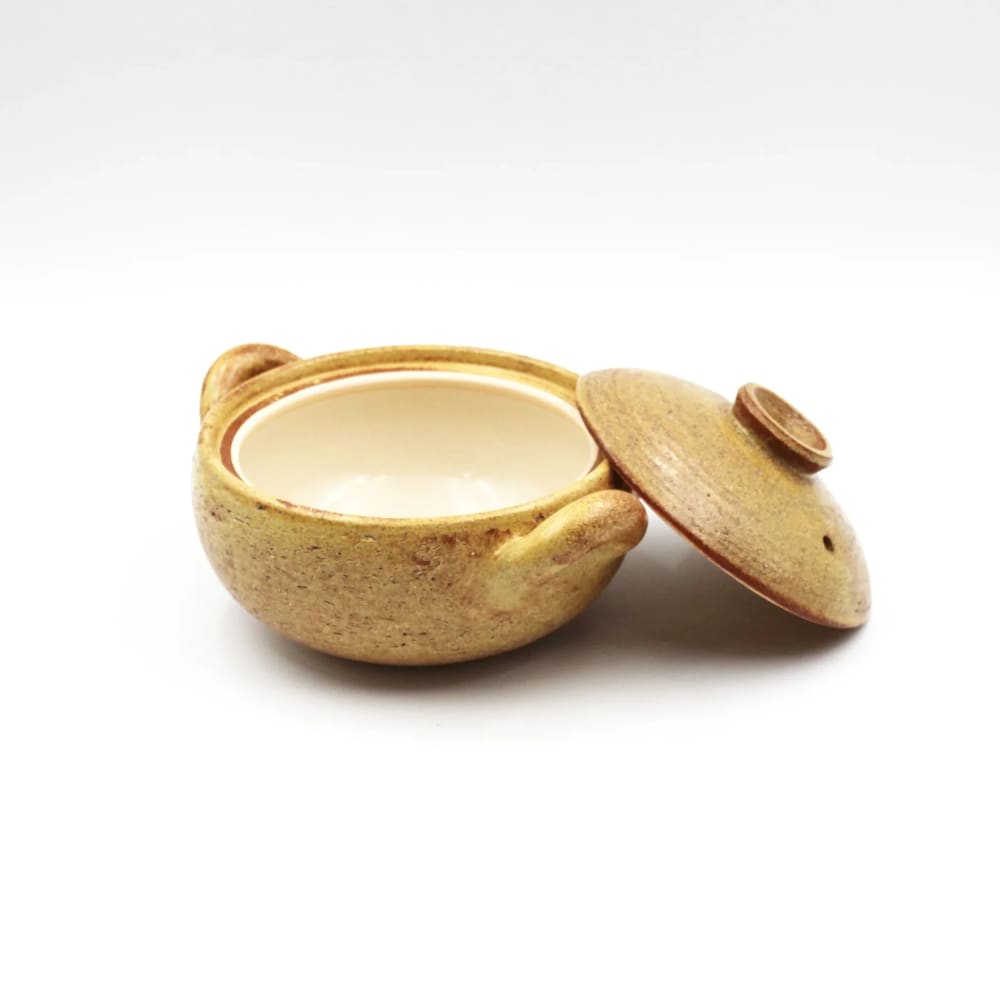
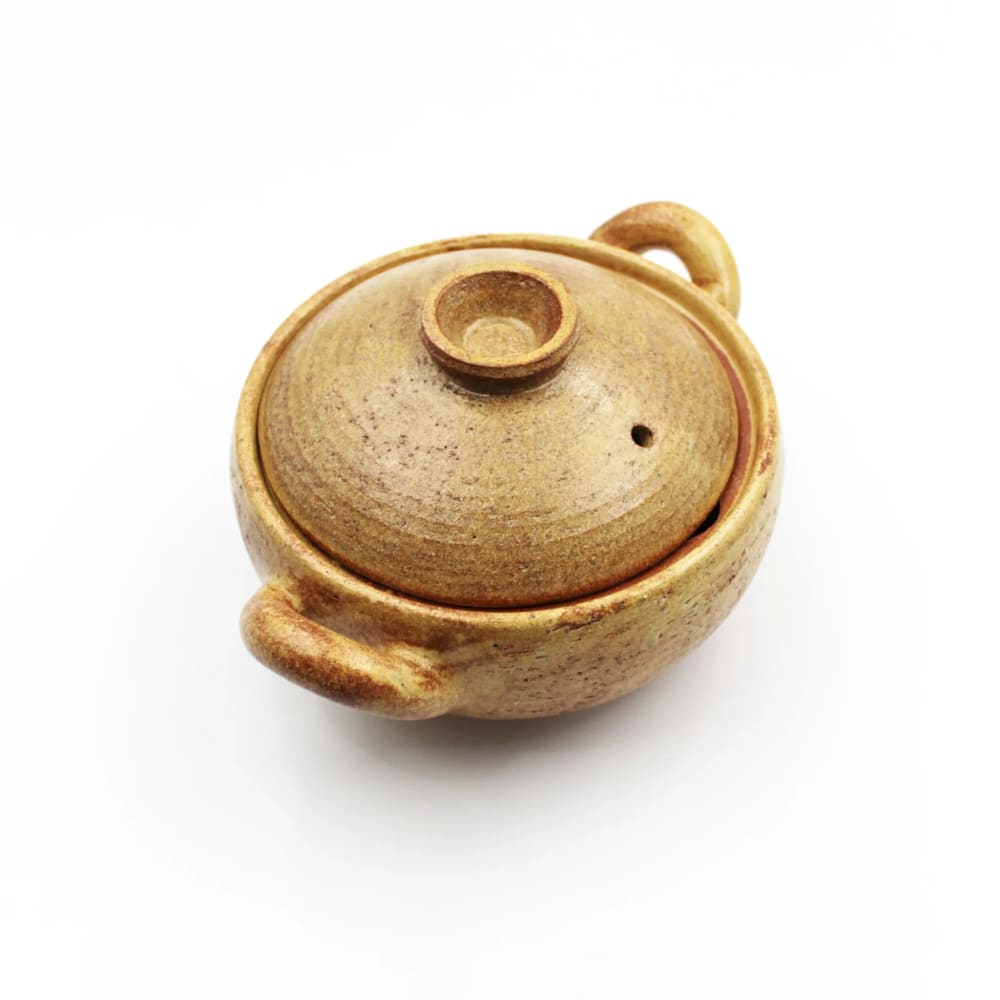
This donabe is designed to be easy to carry and clean. You will also notice that the lid can slide slightly between the edges of the donabe (that is, it is not very tight-fitting). This allows you to control how much steam you want to let escape by sliding the lid during cooking, if necessary. There is also a small indentation where you can rest a ladle on the edge while serving.
THE TRUE “TERROIR” OF IGA
The Iga region, where this donabe is made, was once the bed of Lake Biwa, approximately 4 million years ago. The clay from this region is naturally highly heat-resistant and has been used for open-flame cooking for hundreds of years. This clay contains a large quantity of prehistoric fossilized microorganisms that make it porous when fired. The porous body gives the donabe remarkable heat-retention capacity. The donabe gradually accumulates heat when heated, then cools very slowly once the heat is turned off. This, together with the glaze that promotes far-infrared rays (FIR - the same effect as glowing charcoal cooking ingredients without a direct flame) when heated, allows the donabe to produce gentle, even heat that penetrates to the center of each ingredient. As a result, the ingredients are cooked evenly and all the aromas are retained inside.
Authentic Iga-yaki pottery from Nagatani-en
Iga-yaki pottery (Iga style) is one of Japan’s most highly regarded traditional ceramics. It is said to have originated in Iga, in Mie Prefecture, at the end of the 7th century. This donabe is made by Nagatani-en, one of the leading producers of authentic Iga-yaki pottery since 1832. At Nagatani-en, each donabe is carefully handmade, and it takes approximately two weeks to produce an individual donabe. Nagatani-en’s Iga-yaki products are appreciated by both professionals and home cooks in Japan.
All donabe and Iga-yaki products made by Nagatani-en are carefully handmade, so each piece is unique and no two pieces are identical. There are slight variations in color/shade, shape/curve, and patterns between pieces, and this is what makes each piece so special. Likewise, under different lighting and from different angles, the actual color shade may also appear slightly different from the photos on the product page.
- Ideal for 1 to 2 servings
- Producer: Nagatani-en
- Included in the package: Donabe (bowl and lid) and English instruction sheet.
USE AND CARE
Also explore: Kamadosan, Japanese Cookers and Cuisine.
Features
- Dimensions
- 19 cm
- Weight
- 2000 g
- Capacity
- 800 mL
- Material
- Ceramics
- Color
- Orange
- Capacity
- 1/2 PERSONS
- Origin
- Iga, Japan
- Manufacturing
- Artisanal
Use & Care
This donabe can be heated when empty.
Oven safe (up to 500℉/250℃). This donabe is not microwave safe.
Hand wash only.
Your donabe develops character as it ages
As you use your donabe, it develops character, and this is something to appreciate.
Very fine cracks may appear on the surface (glaze) of the donabe. These are called "kannyu" in Japanese and resemble veins. They are natural cracks that develop on the glaze and do not affect the donabe’s functionality.
When you start using the donabe, the bottom part will begin to change color, and black spots (like burn marks) may appear. This is also part of the character development, and the donabe can be used safely. However, if the bottom seems to become too black too quickly, the heat used may be too high. In that case, we suggest using the donabe at a lower temperature.
A land that breathes, a warmth that takes its time
In Iga, the soil is called "the breathing earth." It allows for a gentle rise in temperature and good heat retention. In the past, houroku was made there, a tool placed on the fire, highly resistant to heat and able to transmit it to the core of the food. Nagatanien draws inspiration from these ancient properties for its cookers, including the Kamadosan, the result of over three years of research. The outcome is captured in a simple gesture: a dish that cooks slowly and then arrives at the table just as it is.
Expertise
What a donabe made of Iga clay changes
The land of Iga
The Kamadosan is made from Iga clay, known as "the breathing earth." It allows for a gentle rise in temperature and excellent heat retention.
Slow cooking
The heat spreads evenly and reaches the core of the food. The ingredients slowly develop umami without breaking down.
The lasting heat
Once heated, the donabe stays hot for a long time. The dish continues to cook off the heat and arrives at the table still warm.
The Legacy of Houroku
In Iga, they produced the houroku, a utensil placed on the fire. Nagatanien incorporates this heat resistance and gentle heat transfer into its cookers.
Three years of development
The Kamadosan combines Iga clay and glazing, with a double-lid system pierced with carefully placed holes. It took more than three years of research to cook rice without constant supervision.
An everyday object
At Nagatanien, every cooker is used daily. The Fukkurasan, for example, goes from cooking to refrigeration and then to presentation: the lid and the dish are also used at the table, rather than sitting unused at the back of a cupboard.