






There is a gesture that slows down time: dipping a nib into ink, placing it on paper, and watching the line emerge. At KAKIMORI, writing with a nib is not a constraint, it is a pleasure we give ourselves. Here’s how to compose yours.
À découvrir


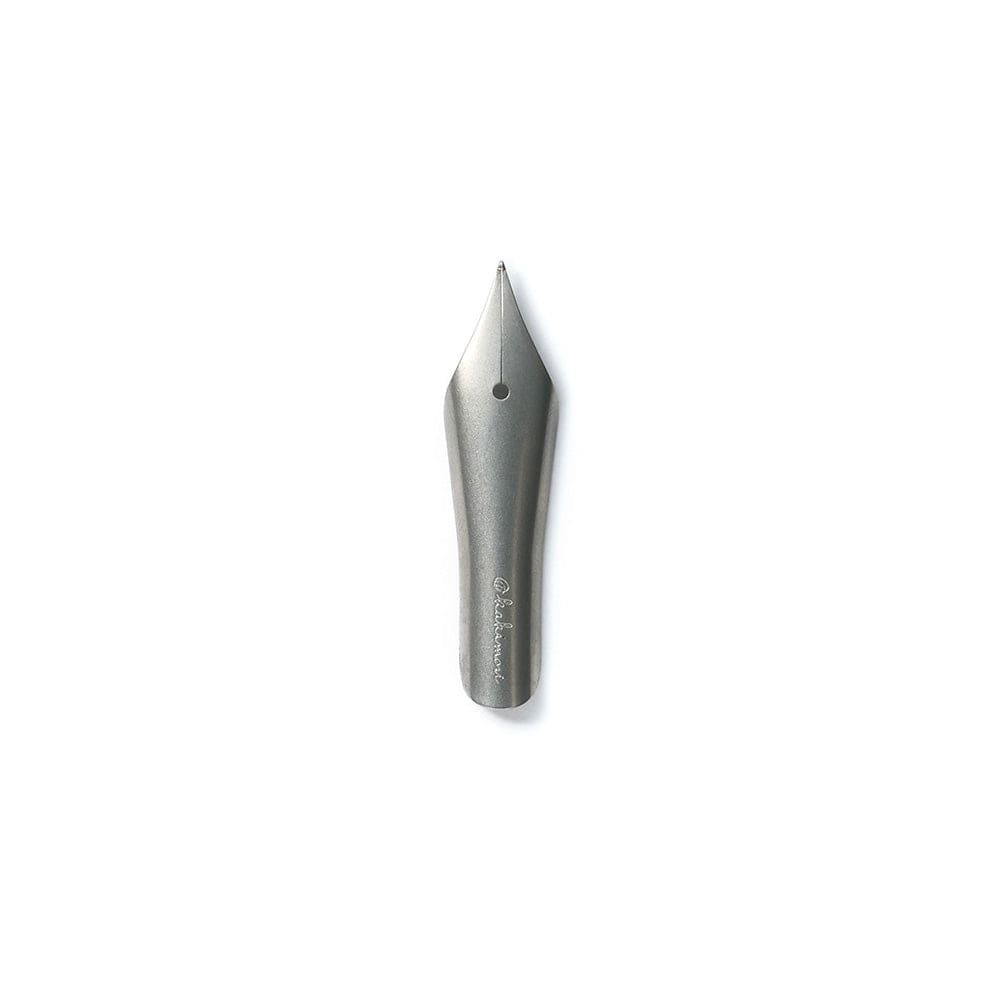
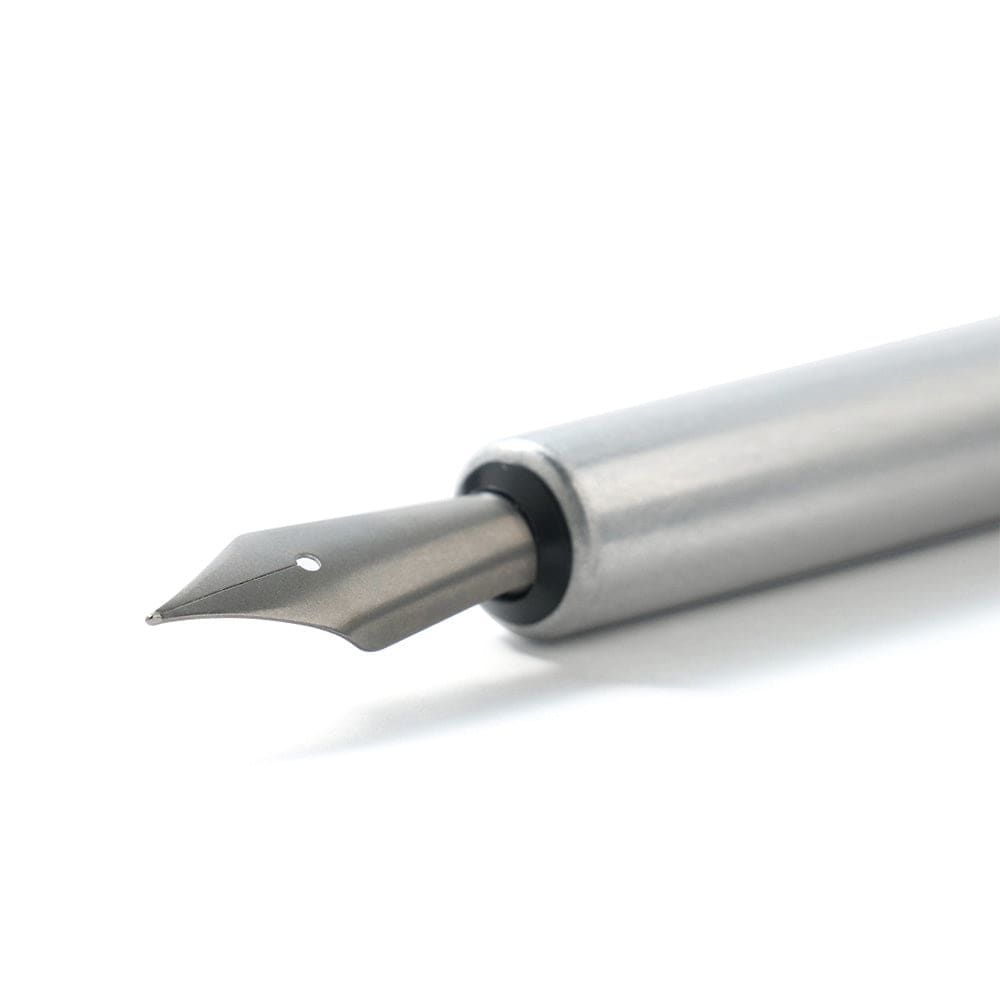

The nib, where ink meets paper
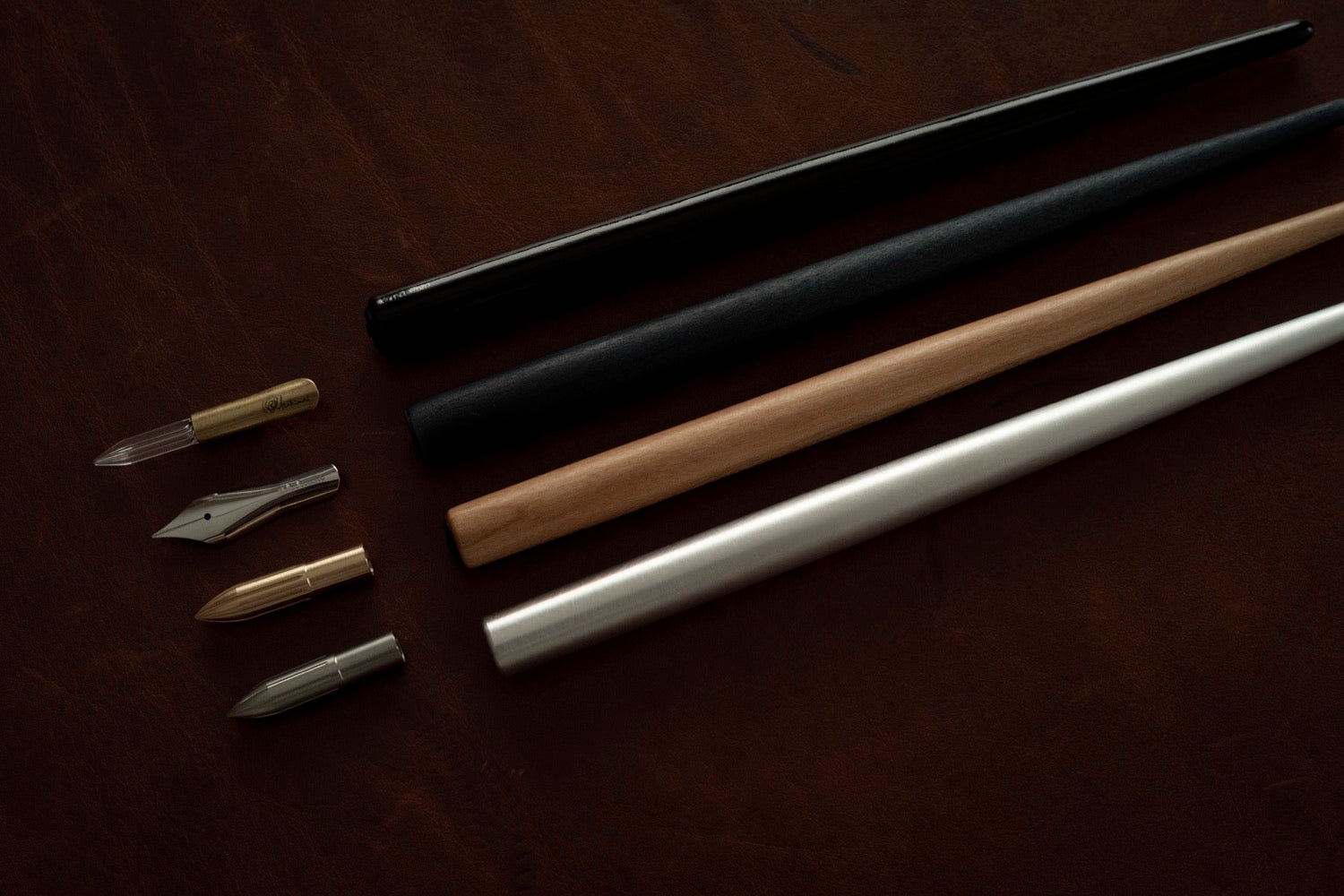
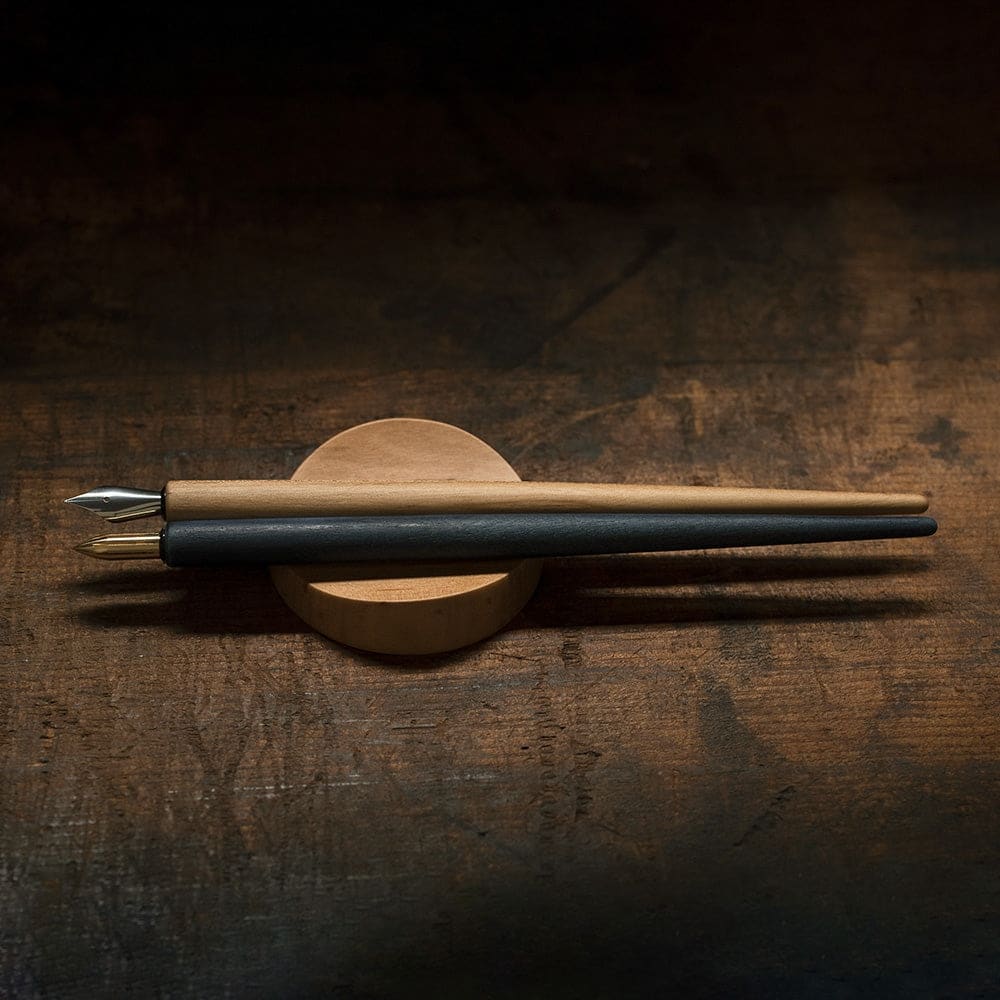
It all starts with this small piece of metal that defines the character of the line. The stainless steel nib draws a sharp and clear line, faithful through the pages. The brass nib, a softer metal with a warmer tone, produces a line with a slightly different character. You change nibs as you change moods, to vary the pleasure.
The dip pen holder, the object that fits in your hand
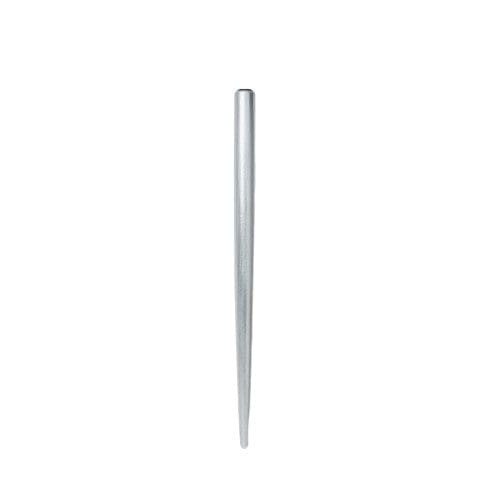
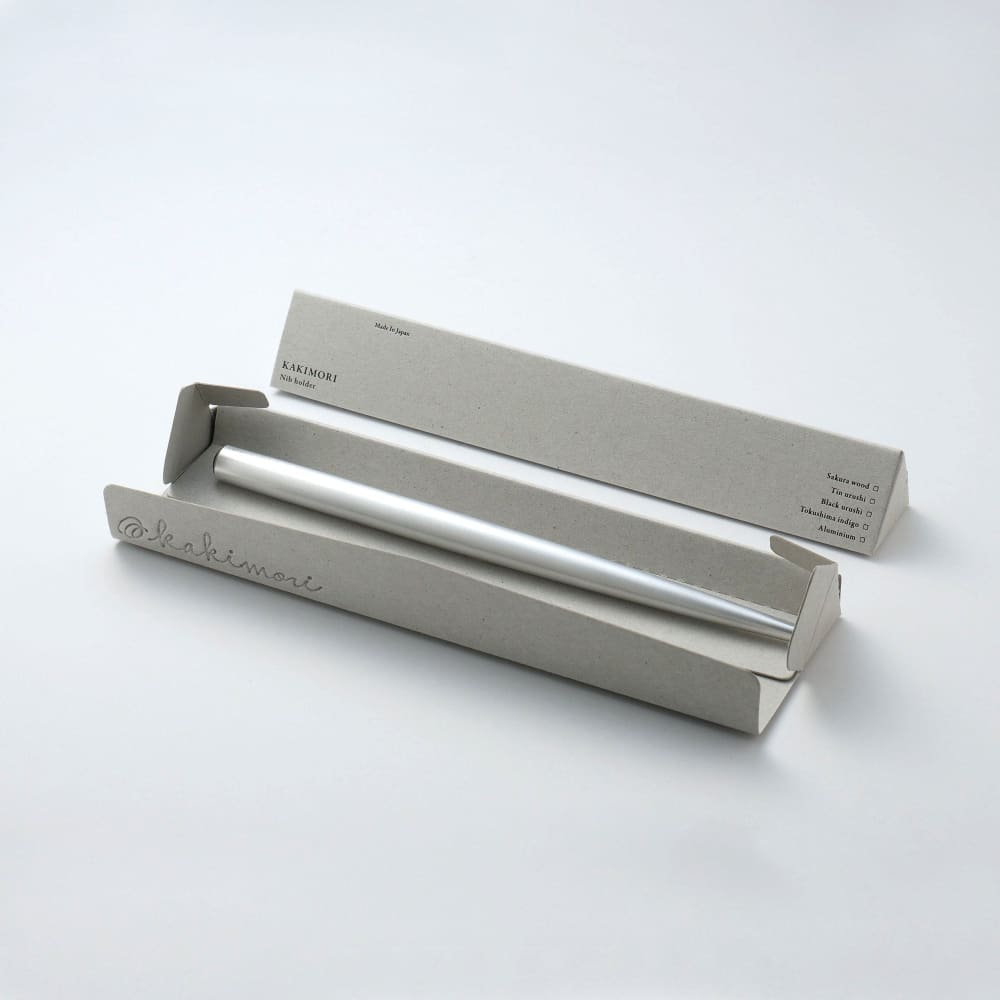
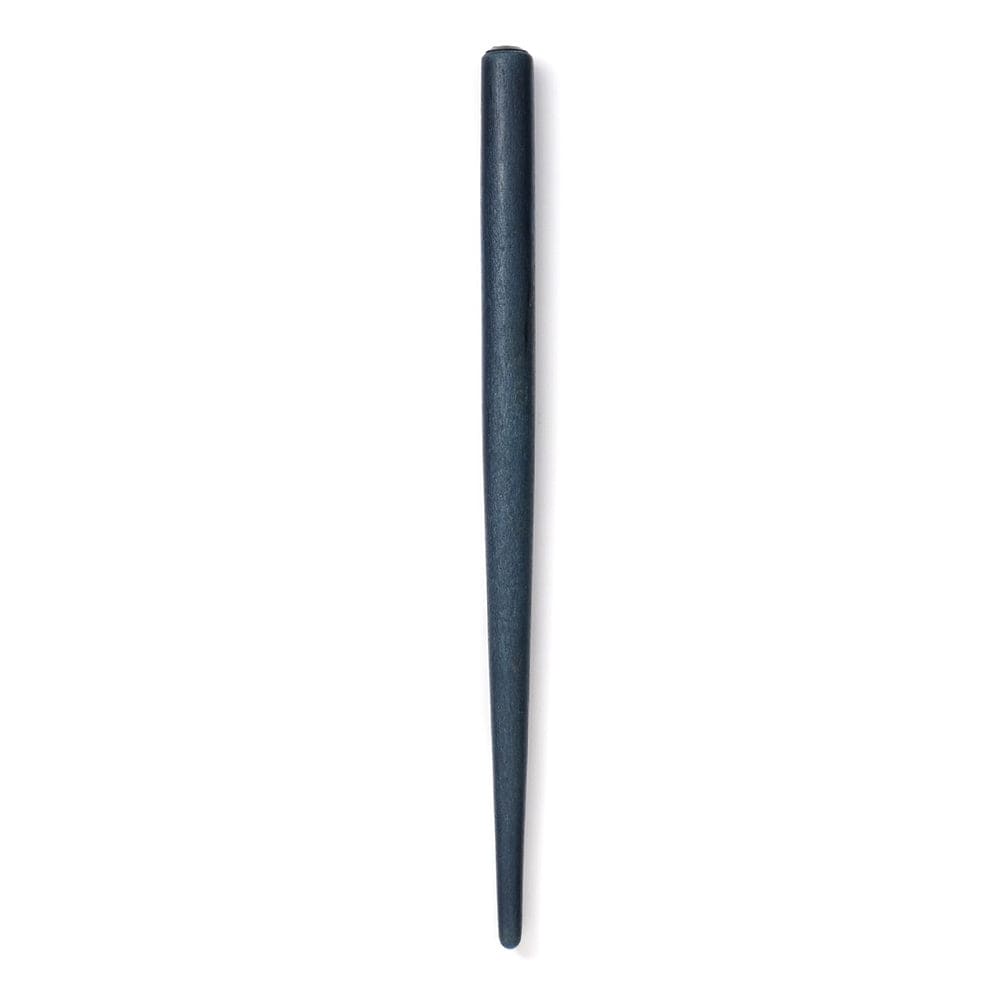
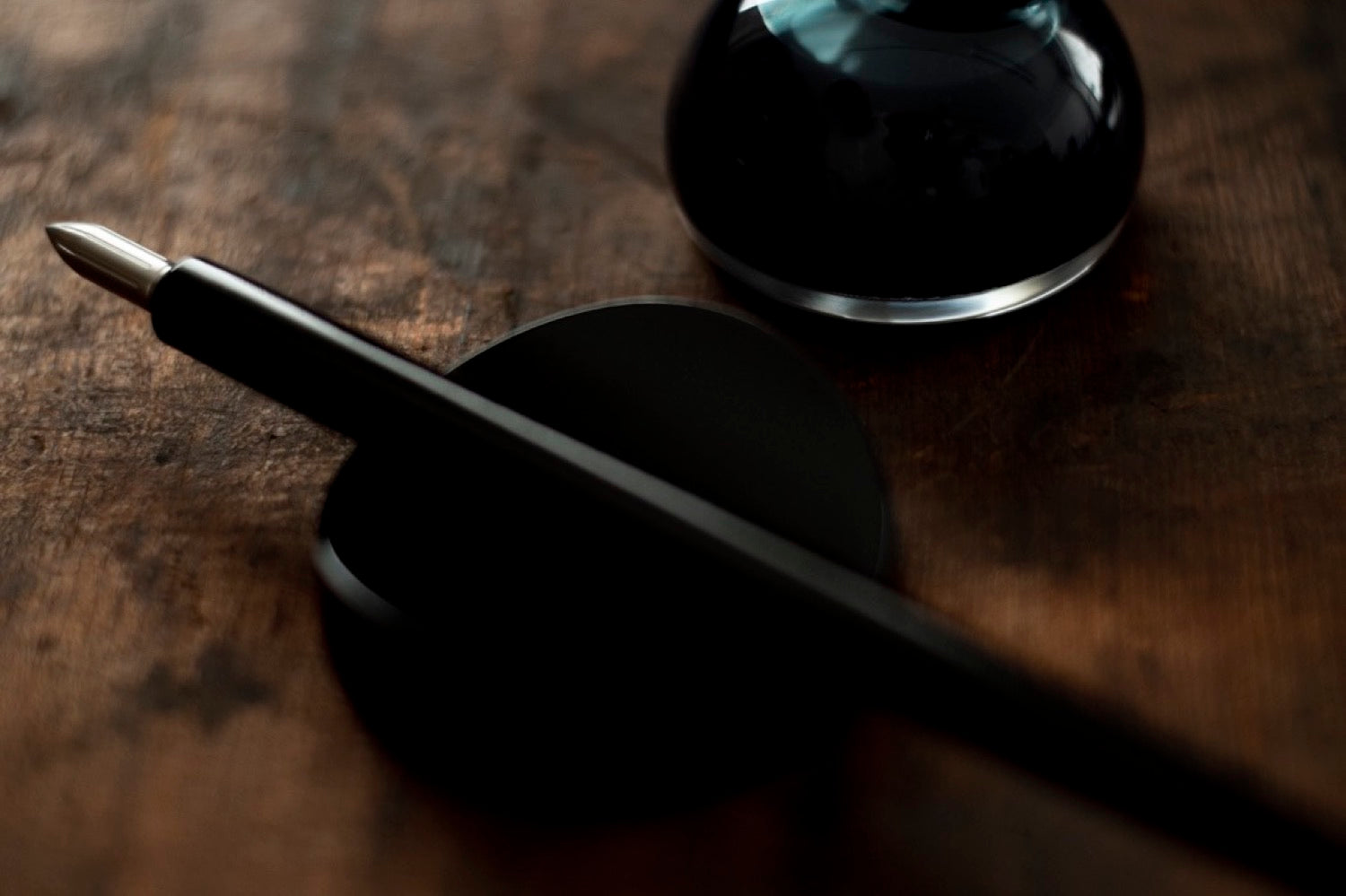
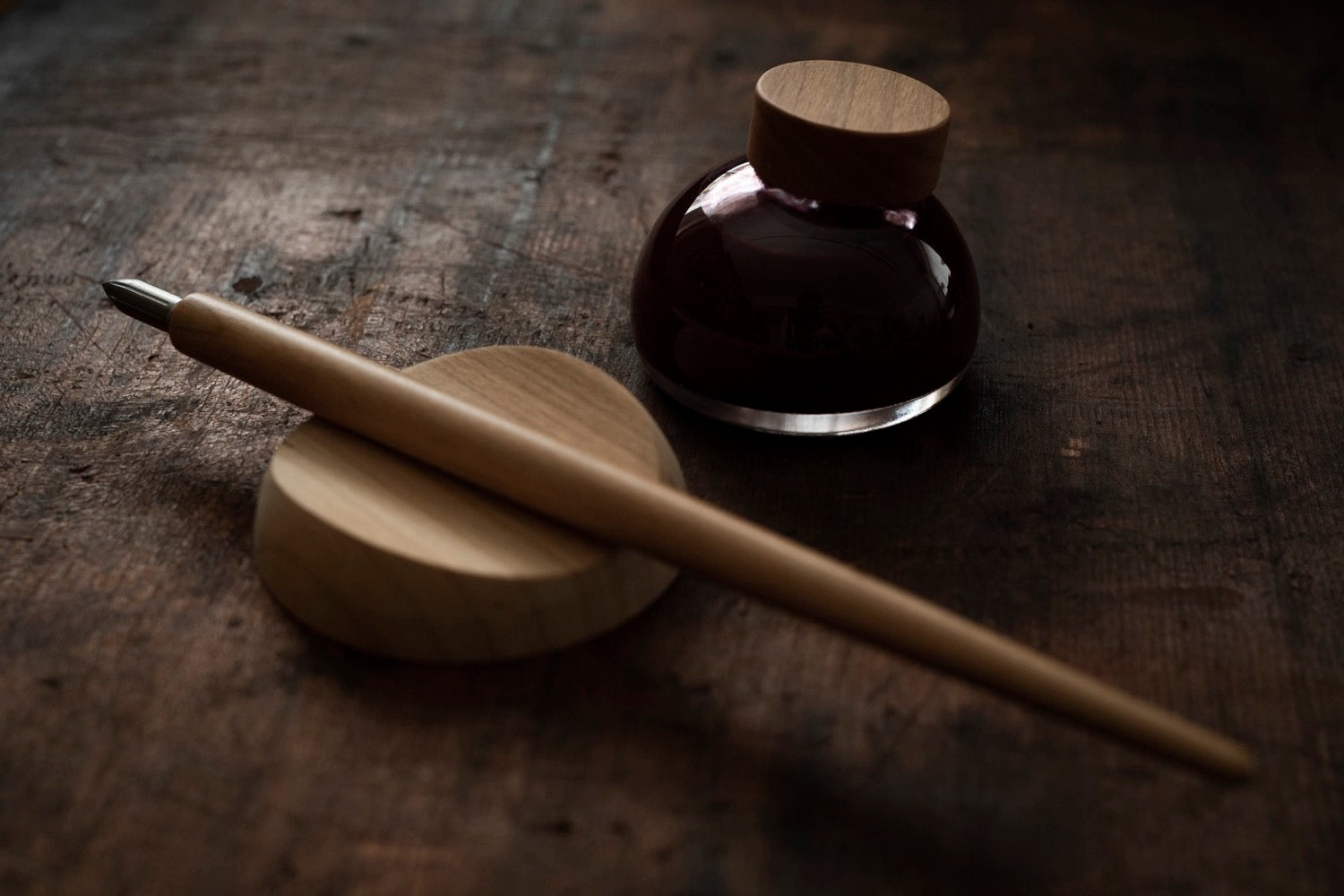
The dip pen holder extends the nib and fits the palm. KAKIMORI offers it in light wood with the cherry wood dip pen holder, light and soft to the touch, in a urushi lacquered version for an exceptional piece, or dyed with Tokushima indigo, that deep-reflecting Japanese blue. A story of touch and balance, as much as style.

The gesture, without rushing
Dip the tip up to the small reservoir, without flooding the nib. Rest your hand, draw, and let the ink flow naturally. When the line fades, dip again, like taking a breath. At the end, a soft cloth and, occasionally, a little clean water, and the nib will accompany you for years.
Your first session, step by step
Settle in with paper that loves ink, open the bottle, and dip the nib up to its small reservoir. Write a few lines, dip again, repeat. The first minutes surprise you—you dip too much or too little—then your hand finds the rhythm, and it is precisely this rhythm, dip, write, breathe, that makes the exercise so calming. Ten minutes is enough to understand why some never go back to ballpoint pens.
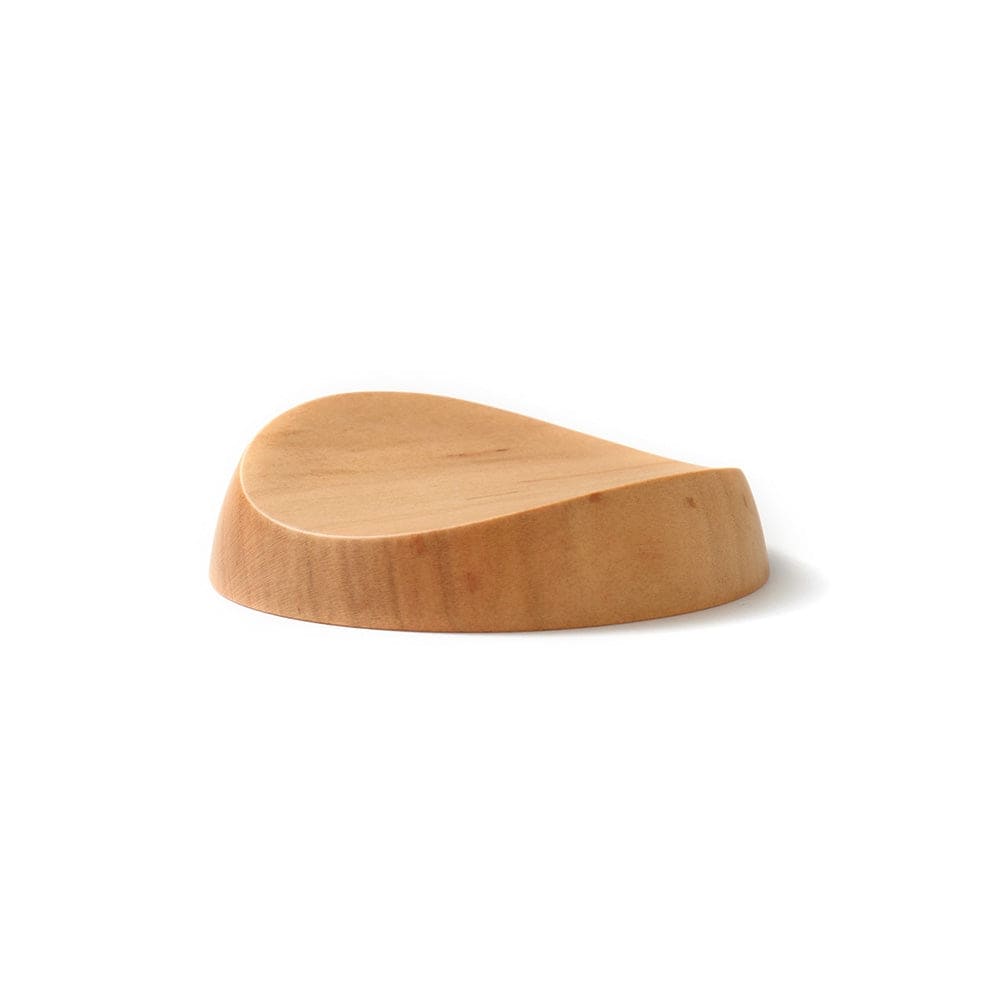
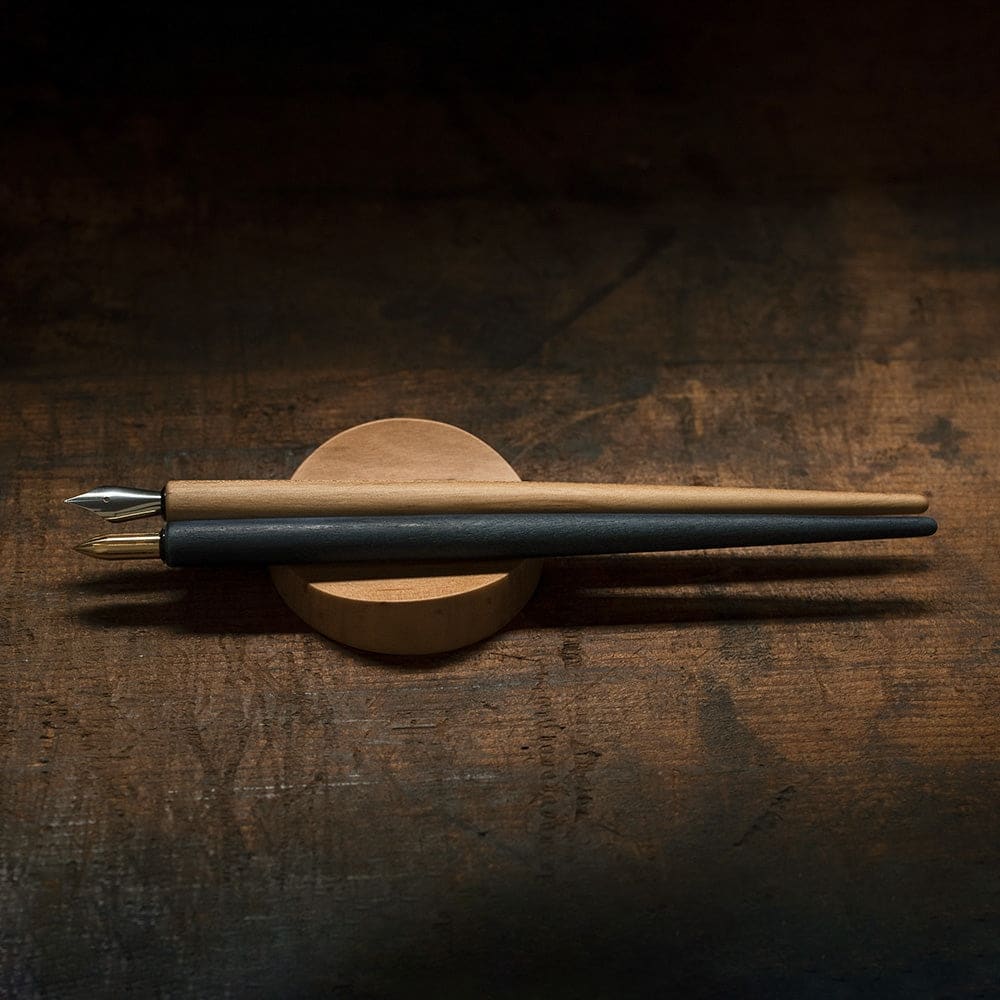
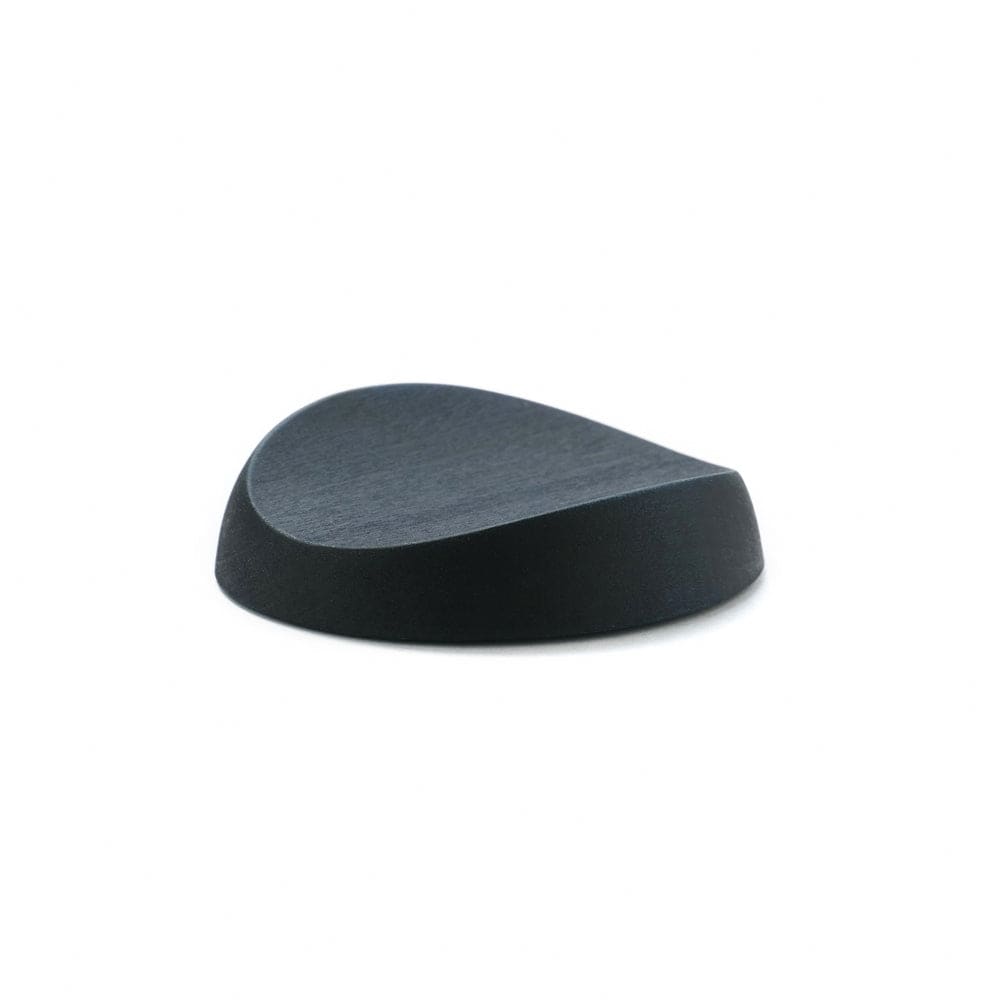
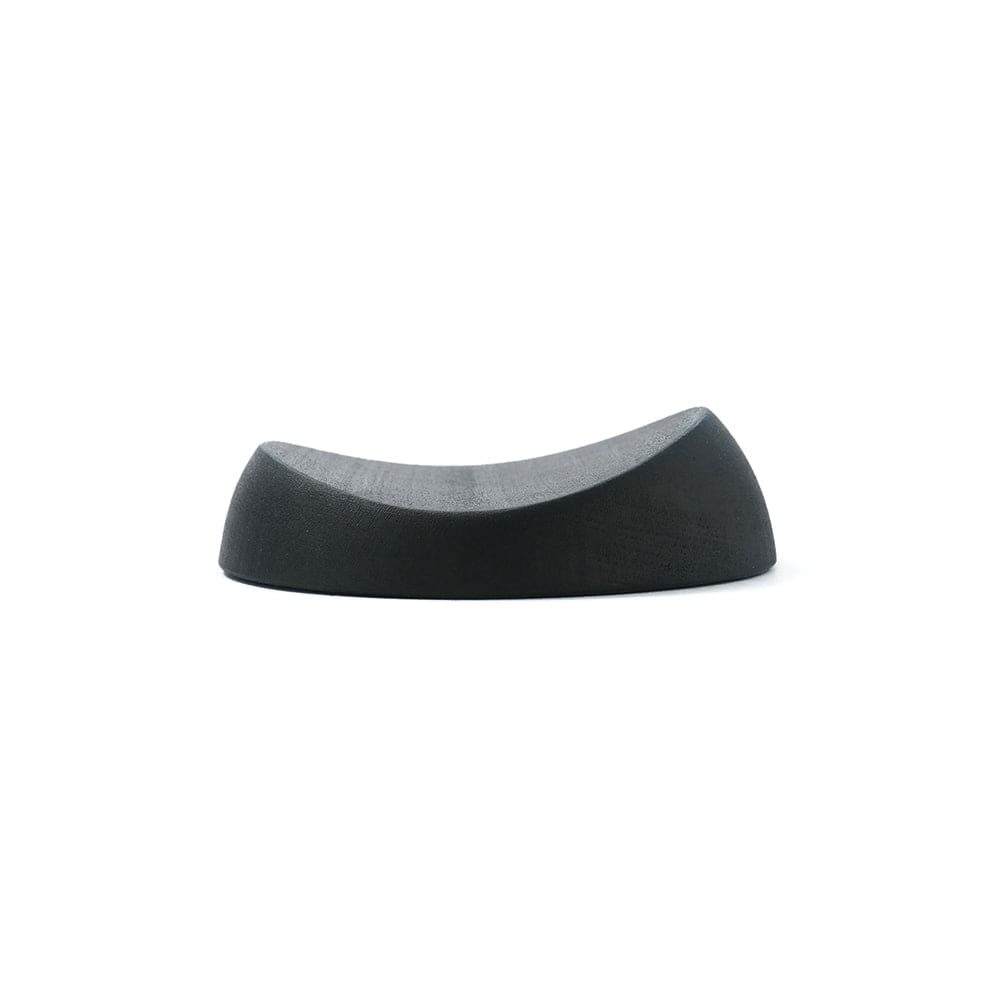
The nib rest naturally completes the set: in cherry wood matching the dip pen holder, in urushi lacquer, or dyed with indigo, it keeps the nib inclined, clean, ready to dive back in. A small object, but one that transforms a corner of the table into a writing desk.
Frequently Asked Questions
What is the difference between a KAKIMORI nib and a fountain pen?
The nib is dipped into ink and mounted on a dip pen holder, whereas a fountain pen has an internal reservoir. The nib offers great freedom of colors, the fountain pen more autonomy.
What ink should be used with the nib?
KAKIMORI inks are perfectly suitable. Dip, write, then wipe the nib after use to keep it clean.
How do you maintain your nib?
Wipe it after each session and rinse it regularly with clean water. Dry it well to avoid corrosion, especially for steel nibs.
Are nibs and dip pen holders sold together?
They are chosen separately, to pair the nib and handle that suit you.
Also read: the KAKIMORI guide, the inks and inkstand, the aluminum pen.
KAKIMORI is distributed by Maison Godillot, stationery and design and craft objects.

Leave a comment
This site is protected by hCaptcha and the hCaptcha Privacy Policy and Terms of Service apply.