






Wooden Figurine - Panda
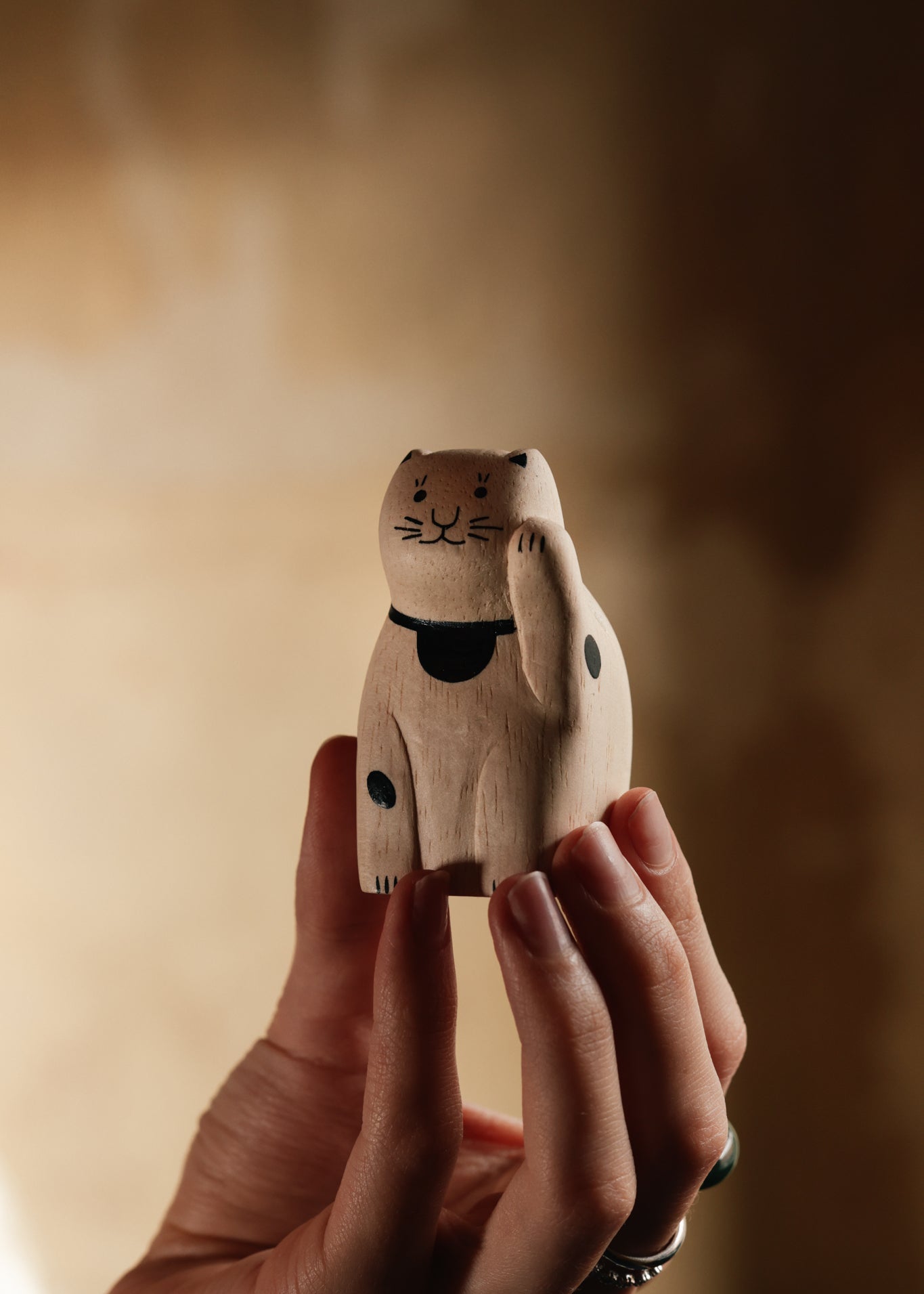
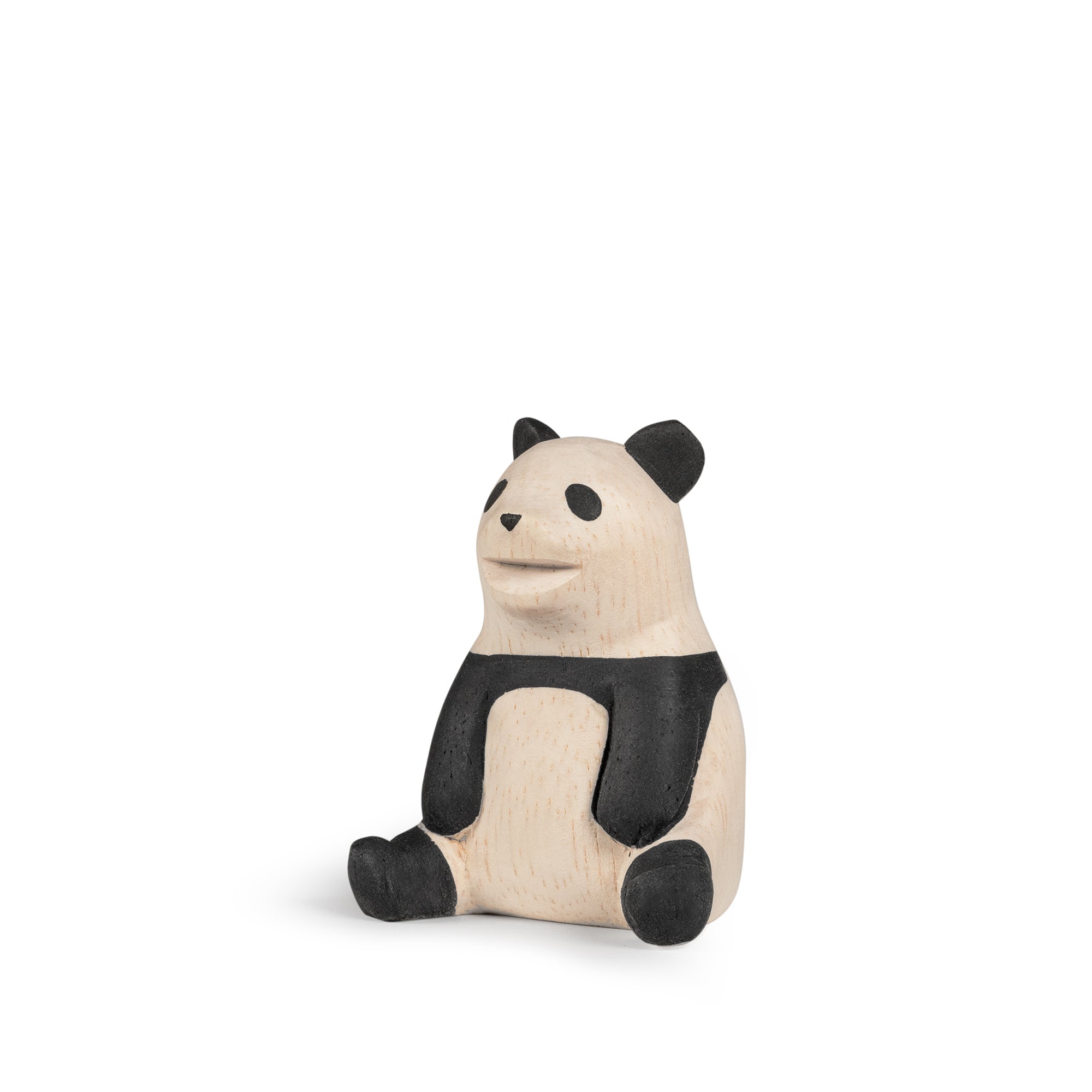
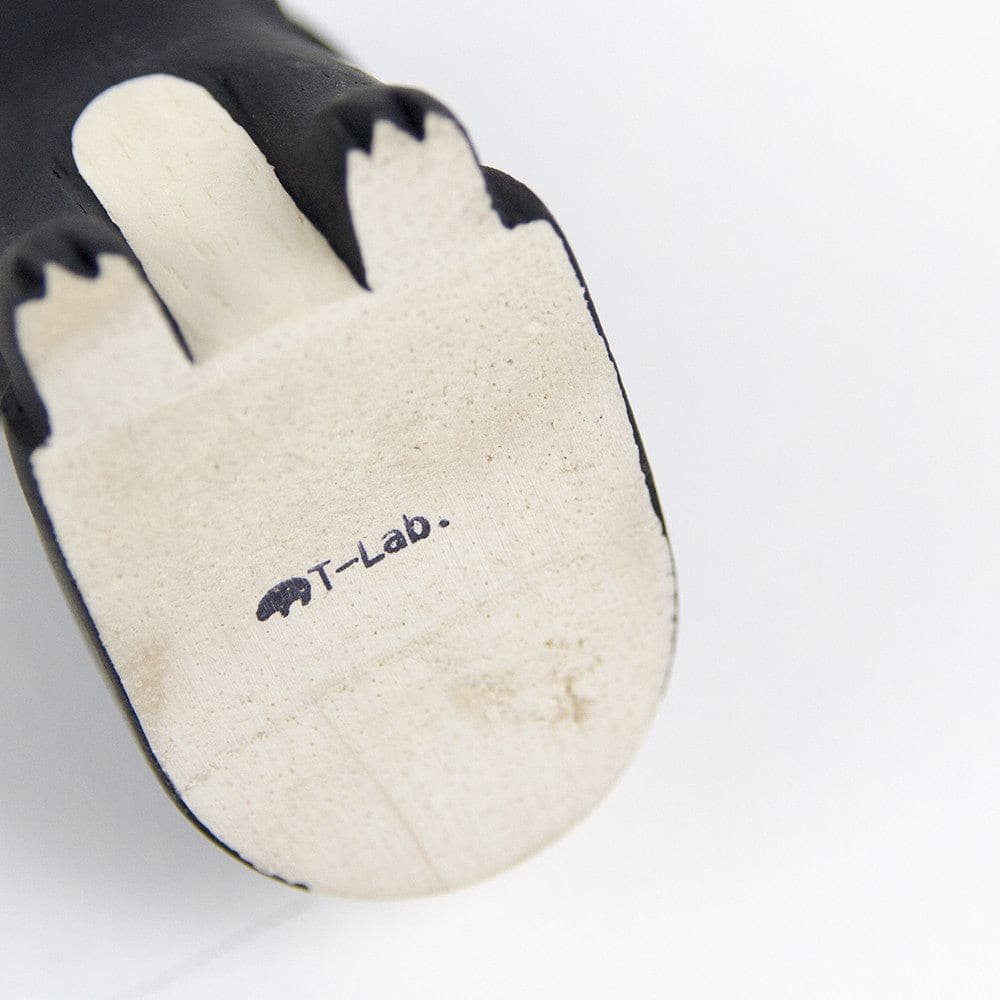
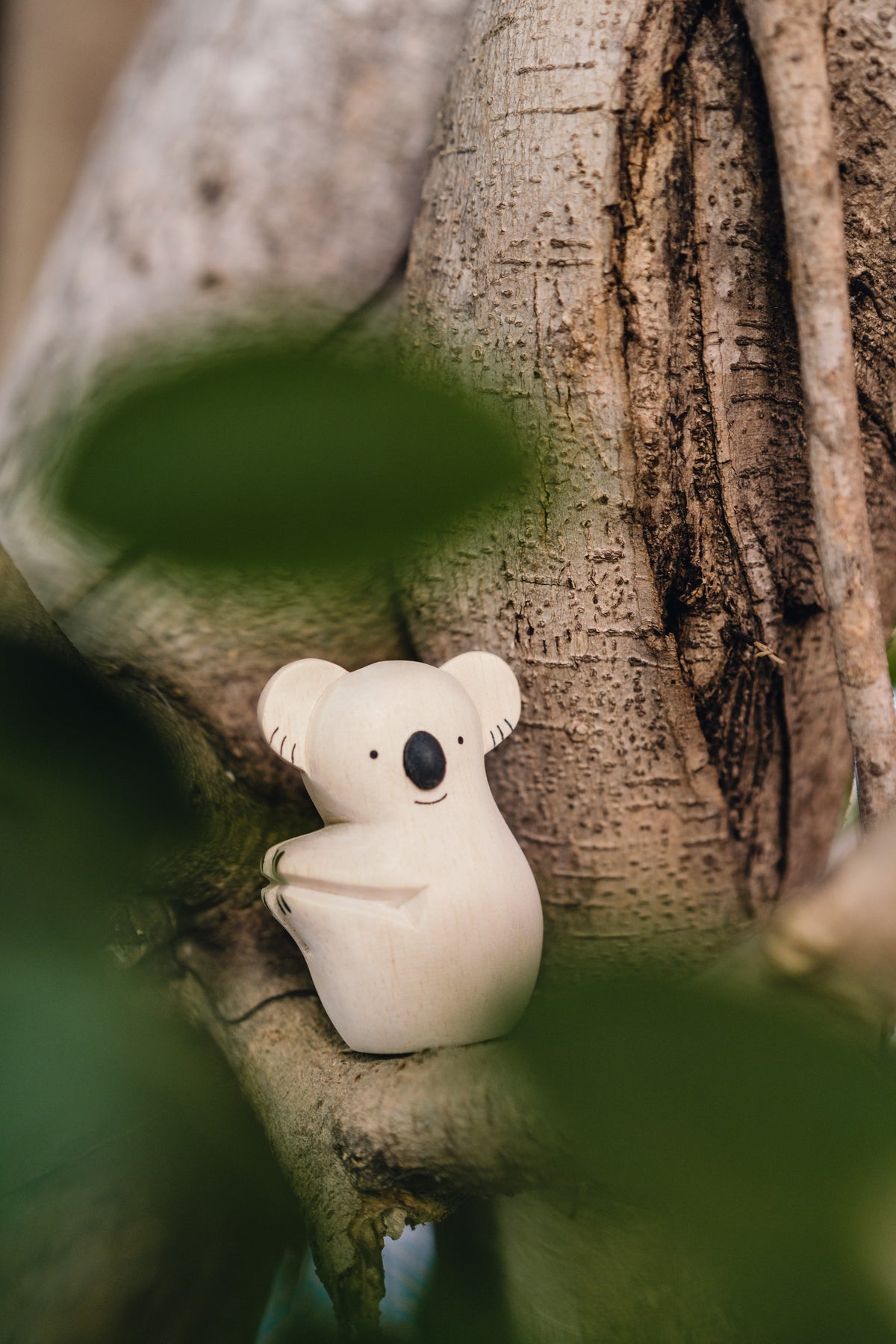
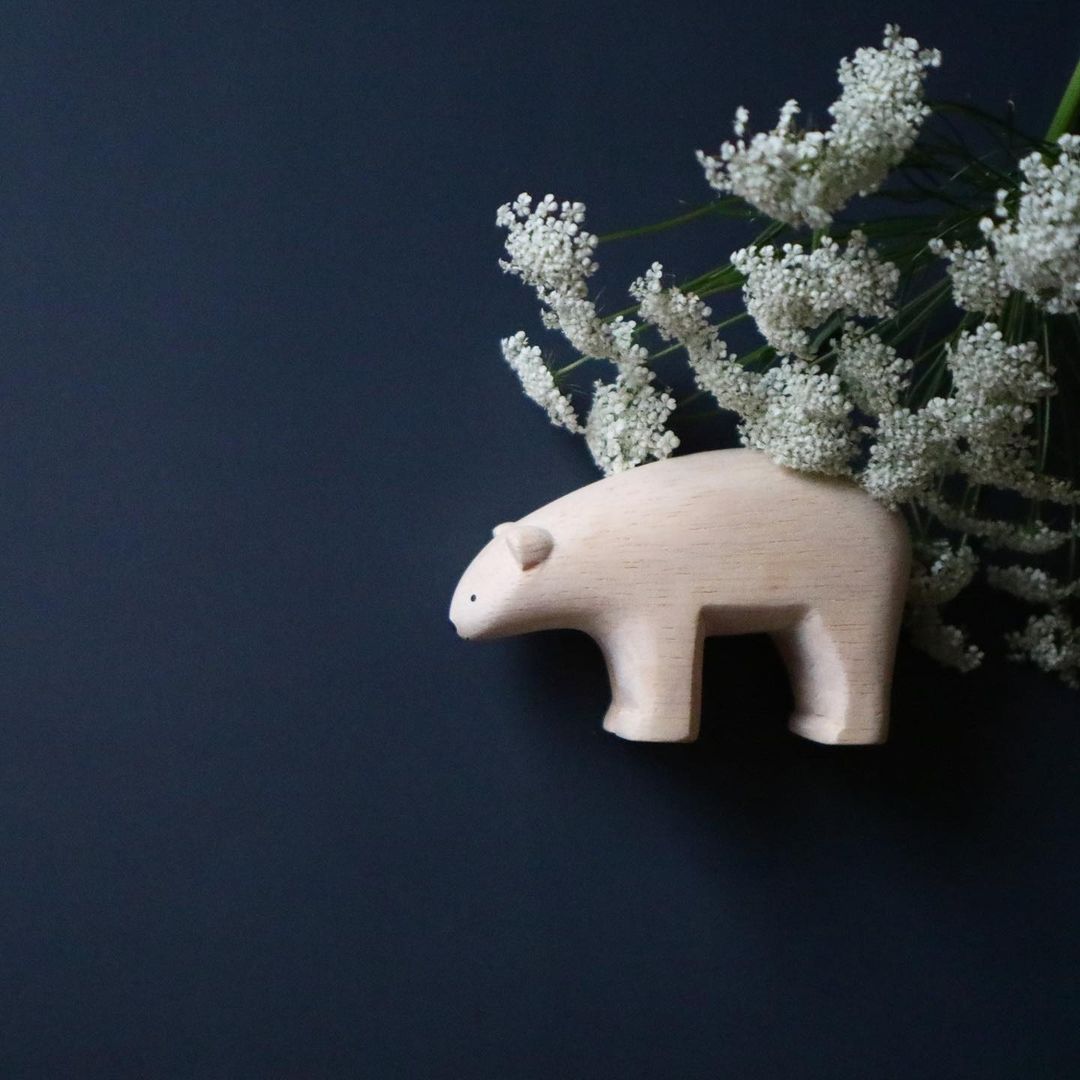
Wooden panda from the Pole Pole collection by T-LAB, carved from lightweight wood with a smooth texture, hand-painted in Bali. Decorative figurine with rounded and expressive shapes, each piece is slightly unique.


Wooden panda.
"Pole Pole" means gently, little by little, in Swahili. The Japanese manufacturer T-Lab is committed to conveying the warmth of wood and handcrafted work while preserving forests. This wood allows for a smooth, soft finish and results in a very lightweight object. Once finely sanded, they are painted by hand, so each piece is somewhat different and completely unique! Only skilled and meticulous artisans can achieve an almost identical result for the same animal.
The original design, with its rounded and gentle lines, makes these animals very endearing. The hardest part will be choosing...
WARNING: These animals are decorative objects. Not suitable for young children who may put them in their mouths.
Also explore: T-Lab Animal Figurines, T-LAB New Arrivals and Decorations.
Features
- Weight
- 12 g
- Material
- Wood
- Color
- Black
- Origin
- Bali, Indonesia
- Brand since
- 2001
- Manufacturing
- Artisanal
Use & Care
-Do not clean with water, as the paint may dissolve.
-Do not expose to high heat to prevent discoloration and cracking of the wood.
-The wood is untreated and naturally sensitive to moisture. In a very humid room, you may notice mold stains appearing.
Designed in Japan, carved in Bali
Each Polepole animal is born from a sketch in Japan and then takes shape in Bali, hand-carved from albizia wood. No two are exactly alike. Polepole means "slowly" in Swahili: placed on a shelf, they invite you to take your time.
T-LAB EXPERTISE
What makes these animals unique
A Japanese sketch
Each animal begins with a drawing in Japan, featuring simple and gentle lines, recognizable among all.
The hand of Balinese sculptors
The artisans of Bali carve each piece from albizia wood, then sand it at length until the surface is smooth.
Plant-based paint
The soft shades come from plant-based paints, applied in thin layers that allow the wood to breathe.
None is identical
The grain of the wood, the angle of the blade, the artisan's gesture: each animal is a unique piece.
Slowly, gently
The name comes from Swahili. It is an invitation to slow down, place an animal nearby, and breathe.
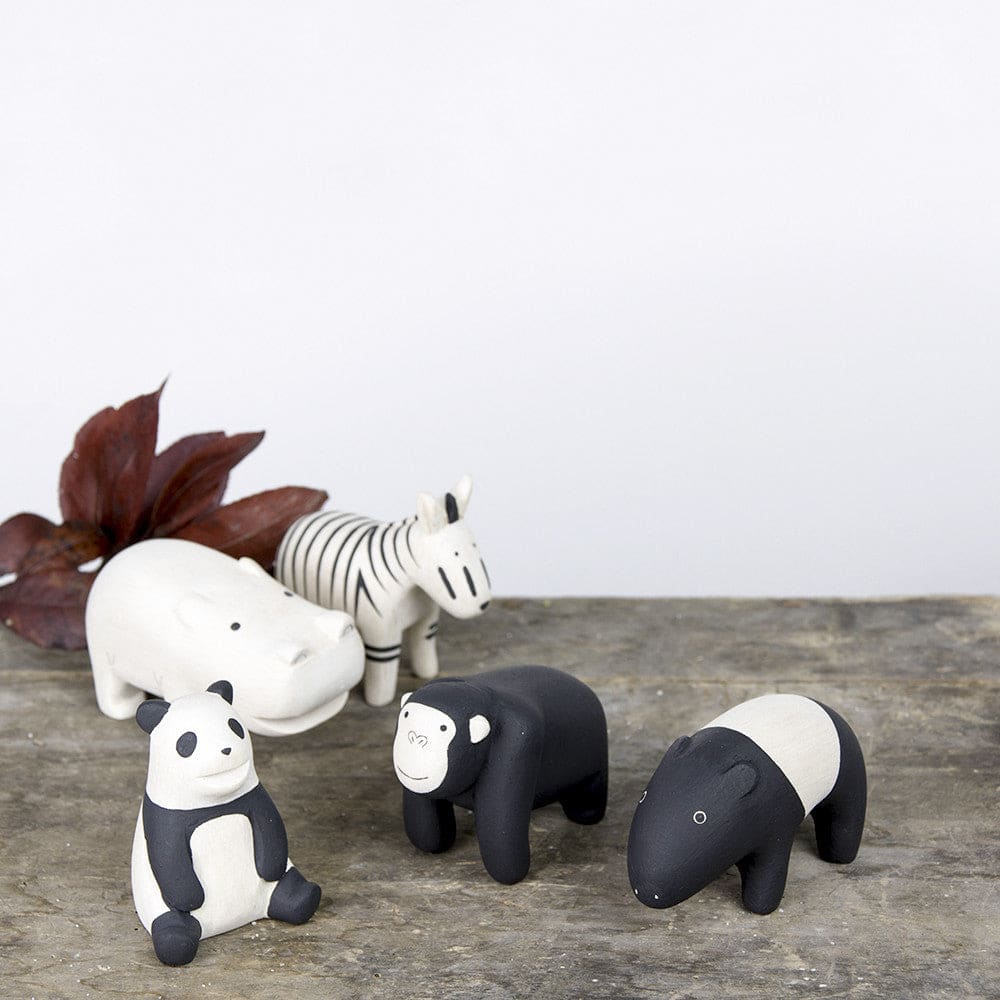
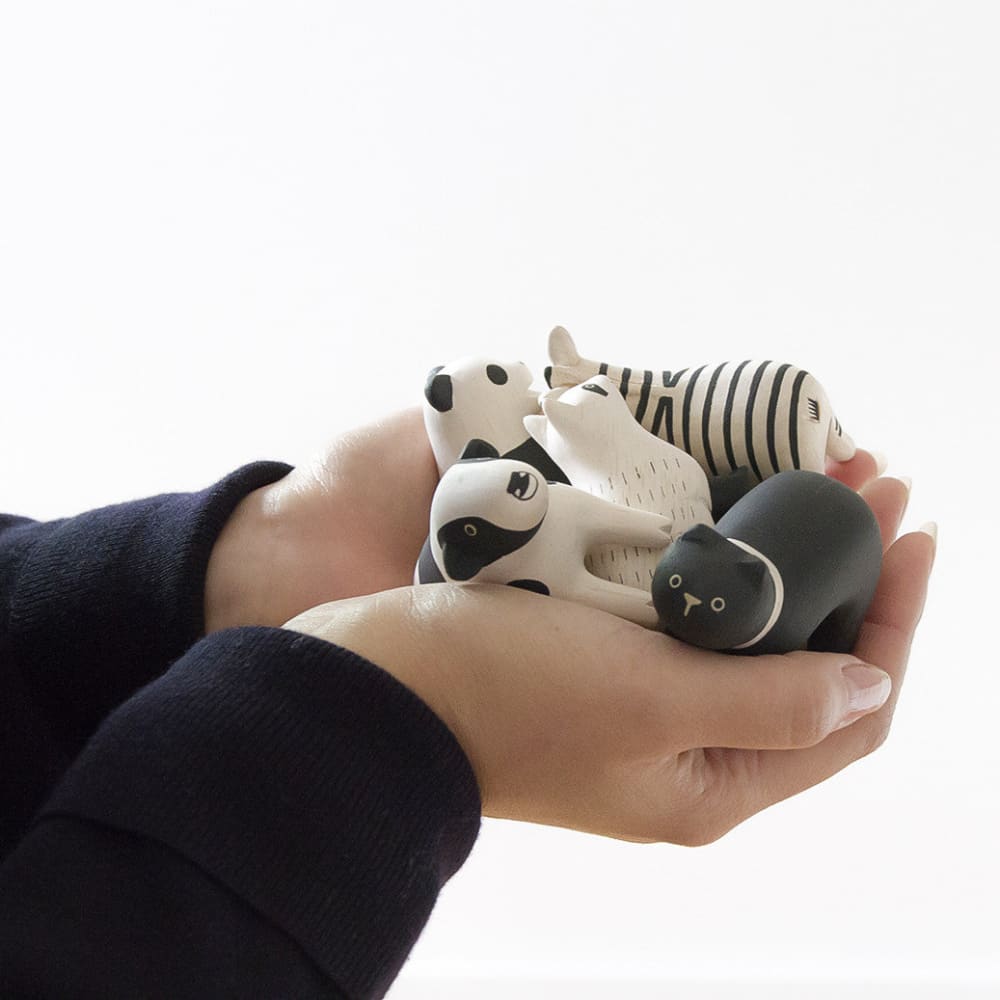
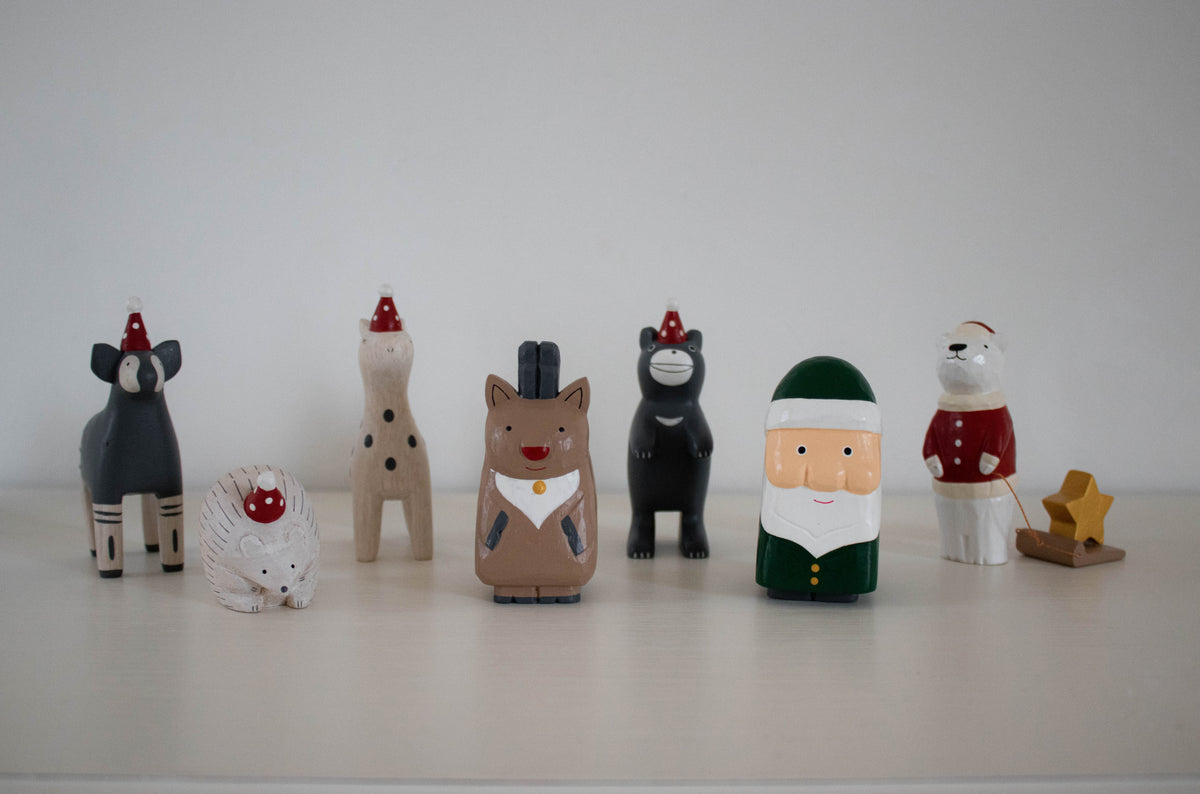
A growing menagerie
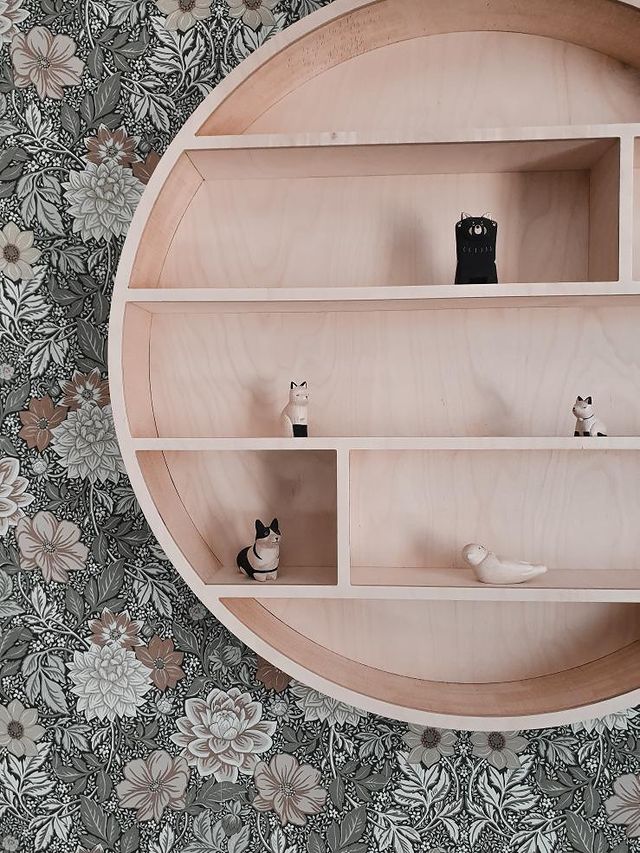
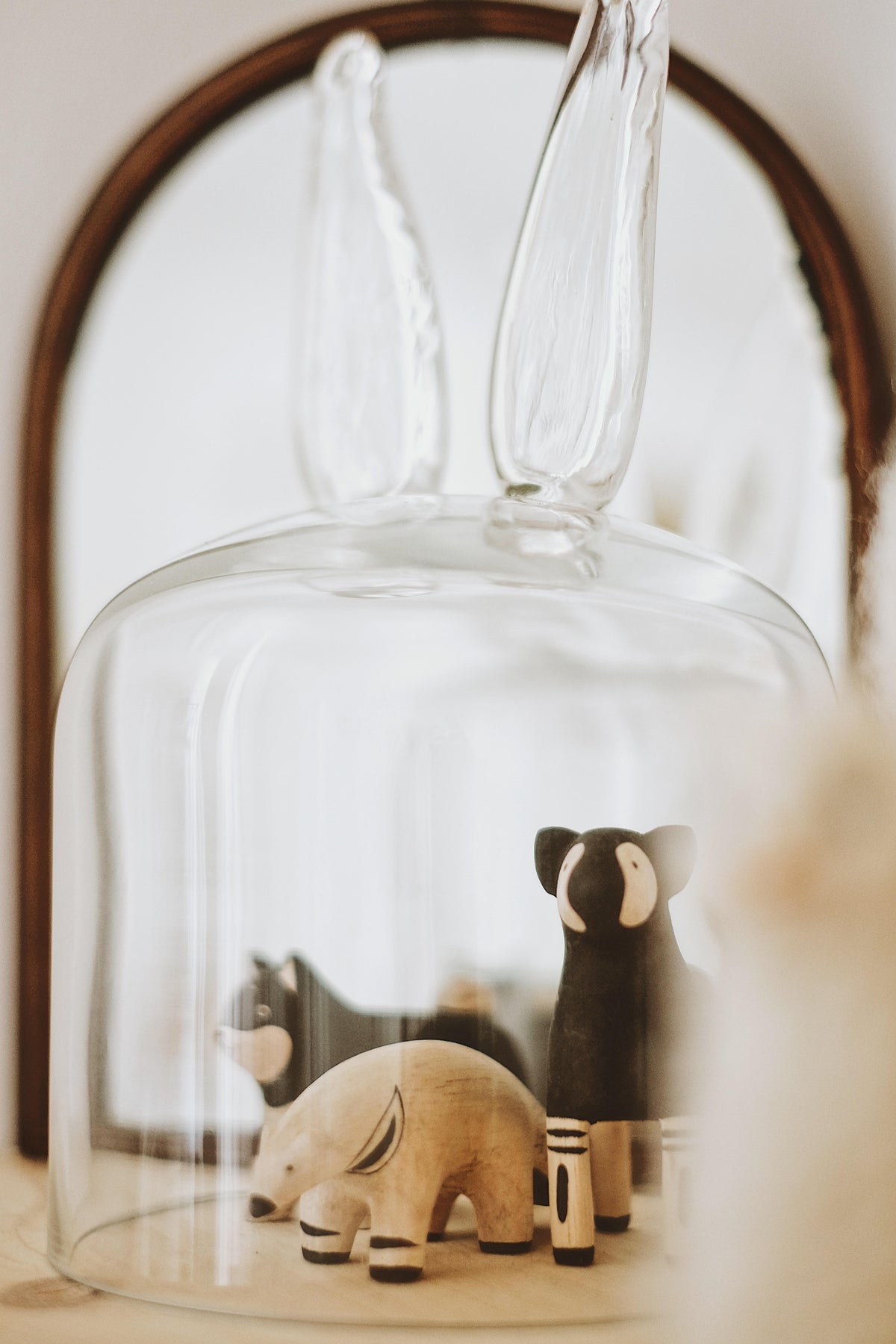
Polar bears, penguins, cats, parakeets: the family includes dozens of species to collect.